


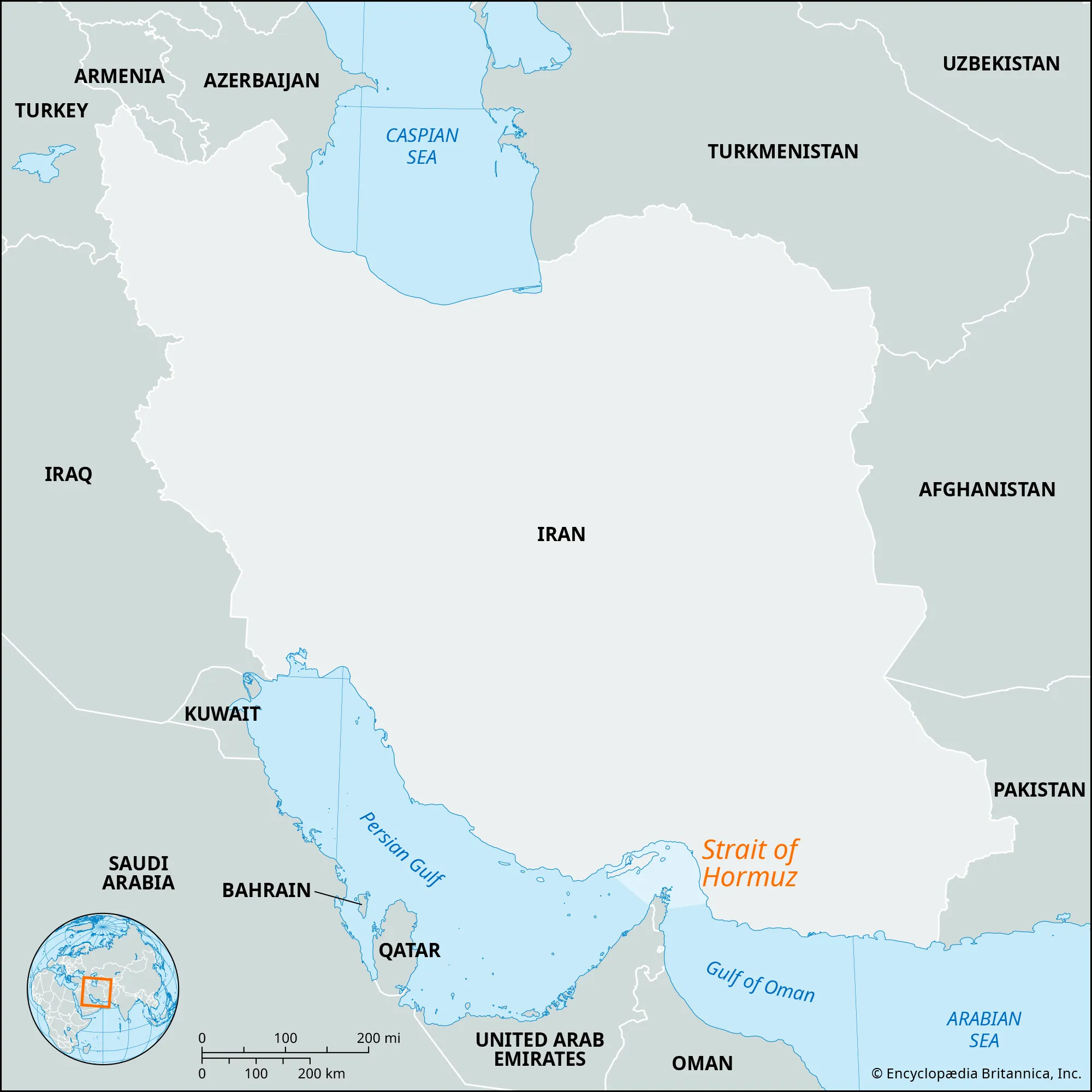
At a glance, the Strait of Hormuz is just a narrow channel of water between Iran’s southern coast and the Arabian Peninsula. But to global economics, security planners, and powers from Washington to Beijing, it is the strategic chokepoint of the 21st century. Roughly 20‑25% of the world’s traded oil and significant volumes of liquefied natural gas (LNG), transit this strait daily — a lifeline for Asia, Europe, and Africa alike.
Yet what makes this waterway so strategically potent isn’t just what flows through it — it is who controls it.
Geographic Advantage: Iran’s First Move
Geography isn’t destiny — but in the case of Hormuz, geography grants power.
The navigable shipping lanes through Hormuz run perilously close to Iran’s northern shore — often within 20–30 miles of its military installations and coastal defenses. Unlike the southern side, controlled by Oman, this proximity gives Tehran a natural anti‑access/area‑denial advantage.


Iran also controls strategic islands within the strait — including Qeshm, Hormuz, Larak, and the disputed Tunb islands and Abu Musa, all of which project Iranian presence into the waterway. These aren’t just dots on a map. They are forward operating bases capable of surveillance, missile deployment, and control of shipping lanes.
Consider this: even superpower navies don’t have the luxury of moving outside Iran’s artillery and missile range as they escort vessels through Hormuz. That proximity transforms a geographic feature into a leverage point.
Asymmetric Warfare: Turning Limited Means into Real Control
Iran’s military might — measured in aircraft carriers and heavy destroyers — pales next to the United States or NATO.
But Tehran has spent decades turning this disadvantage into an asymmetric edge:
- Fast attack craft dart from hidden coves.
- Anti‑ship cruise missiles can reach commercial vessels in transit.
- Swarming UAVs (drones), and mine warfare create persistent risk.
- The Islamic Revolutionary Guard Corps (IRGC), has perfected layered deterrence in these waters.
In modern maritime strategy, threat is as powerful as force. Rather than needing to destroy a ship, Iran only needs to make passage too risky for insurers, crews, and companies. And that intangible — risk — is as good as physical closure.
This is the core of Tehran’s strategic play: it doesn’t have to fight a traditional naval battle to control the strait — it just needs to make it too dangerous to ignore.
Diplomacy and Economic Coercion: A Global Pressure Valve
Iran’s grip on Hormuz isn’t just about warplanes and missiles — it’s diplomatic leverage over the global economy.

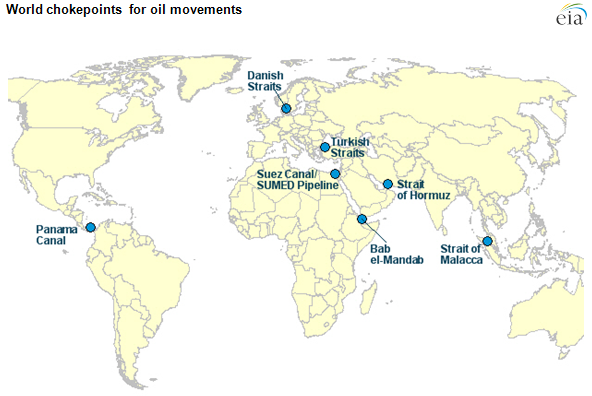
Because so much oil and gas from the Persian Gulf must exit via Hormuz, Tehran can threaten disruptions that ripple far beyond the Middle East:
- Global crude and fuel prices spike instantly.
- Energy‑importing nations face inflationary pressure.
- Strategic stockpiles are drawn down.
- Importers from India to Japan worry about supply stability.
The result? Even countries with vast naval power — such as the United States and its allies — are hesitant to escalate militarily and risk triggering full closure.
The pain isn’t just military — it’s economic.
This turns Hormuz into what analysts call an economic weapon rather than a military one — a tool Iran can threaten to use without ever firing a shot.
Why Iran’s Advantage Endures
Despite international efforts to keep the strait open — including multinational naval patrols and diplomatic pressure — Iran’s structural advantages endure:


- Geography places traffic closest to Iranian shores.
- Asymmetric capabilities make transit risky and expensive.
- Global dependency on oil and LNG gives Iran outsized influence.
- Economic coercion reshapes diplomatic calculations.
Even when Tehran announces conditional passage for “non‑hostile” vessels, the message is clear: Iran decides who passes and on what terms.
This is not temporary dominance — it is embedded strategic leverage.
The Broader Lesson
What Iran has achieved with the Strait of Hormuz is not simple territorial control — it is the transformation of geographic vulnerability into geopolitical power.
This should alarm policy‑makers and strategic thinkers worldwide:
- Global energy security cannot rely on a chokepoint that can be weaponised.
- Naval power alone cannot offset the tactical advantage conferred by proximity and asymmetric threats.
- Diplomacy must reckon with Tehran’s ability to disrupt global markets without direct military confrontation.


The Strait of Hormuz reveals a fundamental truth about 21st‑century power: physical geography remains deeply entwined with economic and strategic influence, even in an age of cyber and space dominance.
And in that narrow waterway between land and sea, Iran has carved out an upper hand that many larger powers still underestimate.