

EFCC Recovers Over $3.3 Million And $10 Million In Major Refinery Fraud Crackdown.
The Economic and Financial Crimes Commission (EFCC) has achieved a major breakthrough in its anti-corruption efforts, recovering over ₦5 billion (approximately $3.3 million) and $10 million from contractors and government officials implicated in fraudulent activities tied to the turnaround maintenance of Nigeria’s refineries in Port Harcourt, Kaduna, and Warri. The announcement, reported by Punch newspaper, underscores a significant step in tackling corruption within Nigeria’s oil sector.
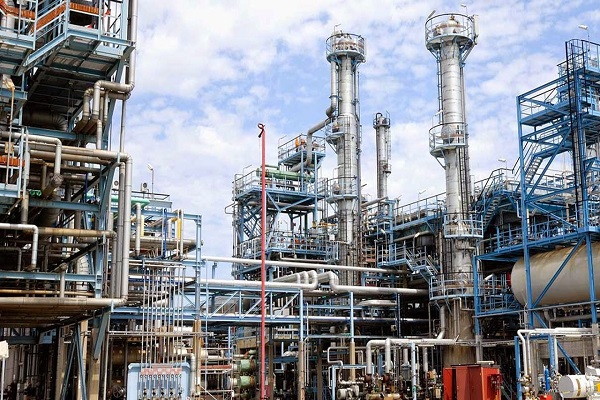
Led by Chairman Ola Olukoyede, the EFCC’s investigation exposed widespread fraudulent practices, including over-invoicing, contract inflation, and dubious payments, which have crippled the functionality of the nation’s refineries. Despite substantial investments—$1.55 billion for the Port Harcourt refinery, $740 million for Kaduna, and $656 million for Warri—the facilities have remained largely non-operational for decades, forcing Nigeria to depend heavily on imported petroleum products.

EFCC sources disclosed that the recovered funds were traced to contractors and government officials involved in inflated contracts. Former and current officials of the Nigerian National Petroleum Company Limited (NNPCL), along with retired management teams of the refineries, have been interrogated, with some facing imminent prosecution. The agency is also pursuing an additional ₦10 billion (approximately $6.6 million) and $13 million believed to have been siphoned through similar schemes.
Further allegations of a $40 million contract inflation involving NNPCL officials and contractors procuring equipment for the rehabilitation projects are under investigation. A senior EFCC official, speaking anonymously, confirmed the recoveries and stated that charges against some of the implicated individuals are expected soon.
This investigation highlights the deep-rooted financial mismanagement in Nigeria’s oil sector, a cornerstone of the nation’s economy. The EFCC’s actions reflect a determined effort to restore accountability and ensure public funds allocated for critical infrastructure projects deliver meaningful outcomes for Nigerians.
