


In observance of Eid-el-Fitr, the Federal Government of Nigeria has announced Thursday, March 19, and Friday, March 20, 2026, as public holidays. The festival signifies the end of Ramadan, a period of fasting, worship, and spiritual contemplation for Muslims.
This announcement reinforces Nigeria’s long-standing tradition of recognising major religious observances and granting citizens time to celebrate with family and community.
Official Declaration and Key Officials
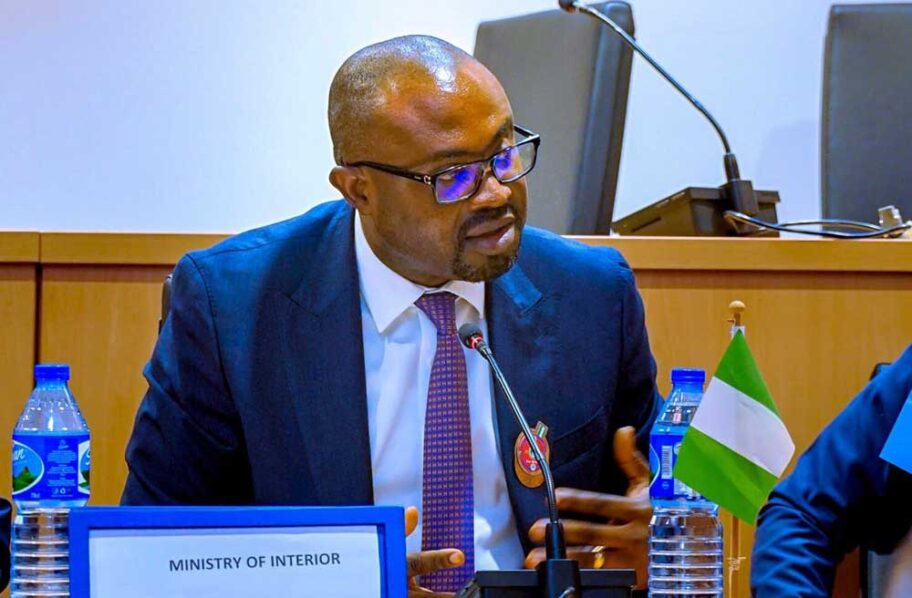
The declaration was made by the Minister of Interior, Olubunmi Tunji-Ojo, on behalf of the Federal Government.
In an official statement released on Tuesday by the Permanent Secretary of the Ministry of Interior, Magdalene Ajani, the minister extended warm greetings and congratulations to Muslim faithful for successfully completing the Ramadan fast.


The statement confirmed the dates and reiterated the government’s support for religious inclusivity and national observances.
Message to Nigerians
As part of the announcement, Tunji-Ojo urged Muslims to uphold the virtues cultivated during Ramadan, including:
-
Love
-
Generosity
-
Peace
-
Tolerance
-
Sacrifice
He also called on all Nigerians—regardless of religious affiliation—to use the festive period to pray for the continued peace, unity, and prosperity of the nation.
Additionally, citizens were encouraged to celebrate responsibly and extend acts of kindness to the less privileged, reflecting the humanitarian spirit associated with Eid celebrations.
The statement further emphasised that:
“The Federal Government remains committed to fostering national unity and peaceful coexistence among all Nigerians.”
Significance of Eid-el-Fitr
Eid-el-Fitr, often referred to as the “Festival of Breaking the Fast,” is one of the most important celebrations in Islam.
It marks:
-
The completion of a month-long fast (Ramadan)
-
Spiritual renewal and gratitude
-
Acts of charity, especially Zakat al-Fitr
-
Communal prayers and festive gatherings
In Nigeria, the celebration is deeply rooted in both religious and cultural traditions, often featuring large prayer gatherings, family visits, feasting, and, in some regions, colorful events like Durbar festivals.
Timing and Context
The timing of Eid-el-Fitr is determined by the sighting of the moon, which marks the beginning of the Islamic month of Shawwal. In 2026, the festival falls around mid-to-late March, aligning with the government’s declaration of March 19 and 20 as public holidays.
By selecting Thursday and Friday, the FG effectively creates an extended break for many workers, allowing for:
-
Easier travel across states
-
Full participation in religious and cultural activities
-
Strengthened family and community bonds
Impact on National Activities
a. Public Sector
-
Government offices, ministries, and agencies will remain closed during the holidays
-
Essential services such as healthcare and security will continue operations
b. Private Sector
-
Many businesses will either shut down temporarily or operate on reduced schedules
-
Banks and corporate organisations are expected to observe the holidays
c. Education Sector
-
Schools may adjust academic calendars to accommodate the break
-
Some institutions could extend holidays for students
d. Economic and Social Effects
-
Increased commercial activity in markets (food, clothing, travel)
-
Boost in transportation and hospitality industries
-
Enhanced social cohesion through family reunions and community celebrations
National Unity and Religious Harmony
The declaration highlights Nigeria’s commitment to religious tolerance and inclusivity. By officially recognising Eid-el-Fitr, the government promotes:
-
Interfaith respect
-
National unity
-
Shared cultural experiences
Such gestures play a vital role in strengthening peaceful coexistence in a diverse society.
Conclusion
The Federal Government’s declaration of March 19 and 20, 2026, as public holidays for Eid-el-Fitr reflects both the religious importance of the festival and its broader social significance in Nigeria.
Through the leadership of Olubunmi Tunji-Ojo, and the communication by Magdalene Ajani, the government has not only provided time for celebration but also reinforced messages of unity, compassion, and national development.
As Muslims across the country celebrate the end of Ramadan, the holidays serve as a moment of reflection, generosity, and togetherness for all Nigerians.