


What Happened
The recent military coup in Guinea-Bissau upended an electoral process just before official results from its 23 November 2025 presidential and parliamentary elections were due. A group of military officers declared they had seized power, suspended the election and closed the country’s borders.
-
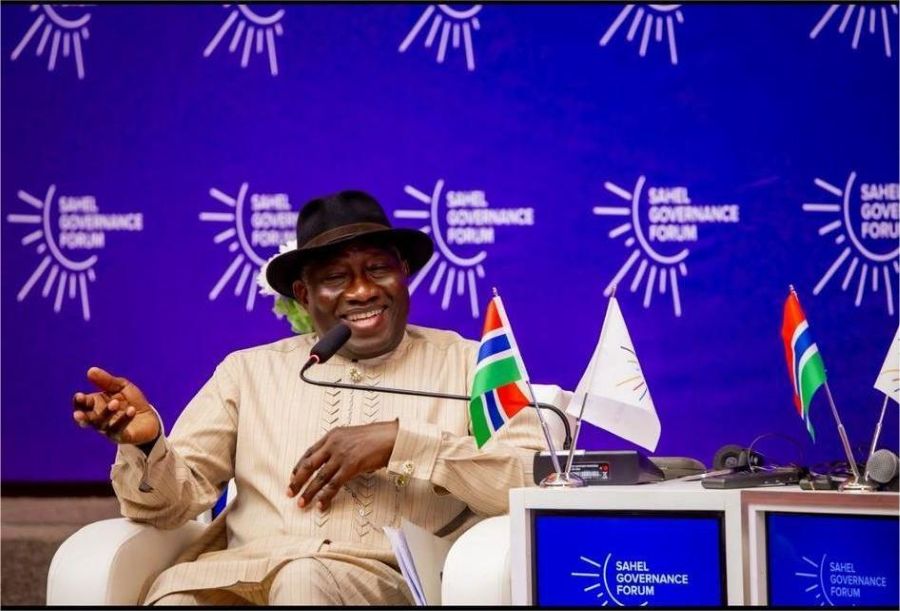
Among those in the country for the elections was Goodluck Ebele Jonathan — former President of the Federal Republic of Nigeria — who had travelled as head of the observer delegation from West African Elders Forum (WAEF), under the broader mission of African Union (AU), and ECOWAS.
-
Immediately after the coup, foreign observers — including Jonathan — were reported stranded, with flights suspended and exits blocked.
Reaction in Nigeria: Government and Parliament Respond
-
The President Tinubu-led Federal Government of Nigeria (FG), strongly condemned the military takeover in Guinea-Bissau. In a statement through its Foreign Affairs ministry, it described the coup as an “unconstitutional change of government” that threatens not just Guinea‑Bissau’s democracy but regional stability, urging for the restoration of constitutional order.

-
Meanwhile, the House of Representatives of Nigeria passed a unanimous resolution urging FG to use all diplomatic and security channels to ensure Jonathan’s safe return home — and called it a matter of “urgent national importance.”
Confirmation: Jonathan is safe and out of Guinea‑Bissau
-
As of 27 November 2025, the government has confirmed that Jonathan is safe and has left Guinea-Bissau.
-
The confirmation ends days of uncertainty for many Nigerians back home who had watched closely, given his stature as a former head of state and his role in the election‑monitoring mission.
Broader Significance
-
Protection of Citizens Abroad — Old and New: The case highlights the responsibility of states to safeguard not only ordinary citizens abroad, but also high-profile former leaders when circumstances become dangerous. The swift call by the House of Representatives reflects growing expectation that Nigerian citizens, regardless of status, must be protected.
-
Democracy and Stability in West Africa: The coup in Guinea‑Bissau — and the subsequent stranding of international observers — underscores persistent fragility in governance in parts of West Africa. It erodes trust in electoral processes and may discourage future monitoring missions.
-
Diplomatic Implications for Nigeria: As a major regional actor and member of ECOWAS and the AU, Nigeria’s reaction and cooperation with other regional bodies will shape how coups are handled in the sub‑region. The FG’s condemnation signals commitment to democratic norms; how they follow through will matter.
What Next
-
The FG and fellow member states within ECOWAS and the AU are expected to push for restoration of constitutional governance in Guinea‑Bissau, including release of detained electoral officials and reaffirmation of election results integrity.
-
Nigeria may review its protocols for deploying observers to high‑risk zones to better safeguard citizens in future missions.
-
The international community will likely renew calls for stability, democratic rule, and support for Guinea‑Bissau’s return to constitutional order — a matter that has broader implications for regional peace and integration.
