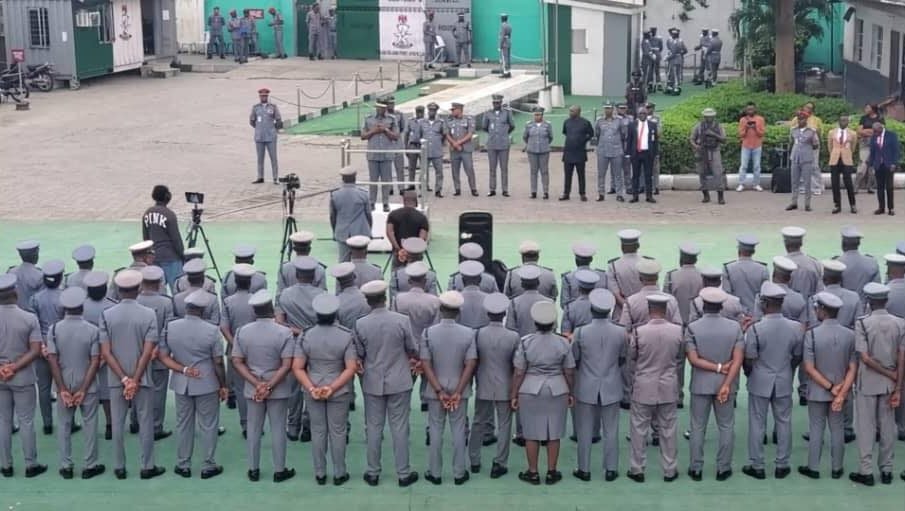
The Federal Government has halted enforcement of the controversial 4% Free-on-Board (FOB) charge recently introduced by the Nigeria Customs Service (NCS) on imported goods.
In a memo dated September 15, 2025, signed by the Permanent Secretary, Ministry of Finance (Special Duties), Customs was directed to suspend collection of the levy with immediate effect. The decision follows intense pressure from stakeholders including trade experts, importers, and industry associations who warned that the charge would increase freight costs, hurt trade competitiveness, and worsen inflation.
The government explained that the suspension will create room for a comprehensive review of the levy’s framework, further engagement with stakeholders, and an assessment of its economic impact to ensure that revenue generation does not undermine Nigeria’s economic stability.
In a follow-up statement, the NCS said the suspension is in line with the provisions of the Nigeria Customs Service Act (NCSA) 2023, which empowers the Service to modernise operations through technological innovations.
Specifically, the Act authorises the development and maintenance of electronic systems for information exchange between Customs, other government agencies, and traders. Already, the Service has deployed the B’Odogwu clearance system, which has improved transparency and shortened clearance times for stakeholders.
The Act also makes provisions for the implementation of a Single Window platform, risk management systems, non-intrusive inspection equipment, and electronic data exchange facilities, all of which are designed to strengthen Customs operations.
According to the Service, the suspension period will be used to hold wider consultations with industry players and ensure proper alignment of the FOB charge with the Act’s provisions for sustainable funding of digital modernisation initiatives.
The NCS added that it remains committed to implementing the provisions of the Act in a manner that best serves stakeholders, while fulfilling its revenue generation and trade facilitation mandate. It assured that a revised implementation timeline will be communicated following the conclusion of stakeholder consultations.
FG Halts 4% FOB Levy On Imports Over Economic Worries