

Three weeks ago, she shared a moment with her godfather, Aliko Dangote—a figure synonymous with industrial scale and continental ambition, the richest Black man alive. Two weeks later, her father, Femi Otedola, posted about her visit with a tone of playful suspicion—wondering if she had come to ask for something.
She hadn’t. Then, last week, came another dinner—this time with Olusegun Alebiosu of FirstBank Group.
Individually, these moments pass as lifestyle. Together, they suggest something more deliberate.
Florence Ifeoluwa Otedola—widely known as DJ Cuppy—is not simply moving through social circles. She is navigating, with quiet precision, the three enduring pillars of Nigerian capitalism: industrial infrastructure, energy, and financial services. Each interaction is public, yet the pattern remains understated—visible only to those looking beyond the surface.
Her father’s recent moves sharpen that context. Following the landmark exit from Geregu Power in late 2025, he didn’t retreat. Instead, he deepened his position within First HoldCo, consolidating influence within one of Nigeria’s oldest financial institutions. It was not an exit from the game, but a repositioning within it.


Seen through that lens, Florence’s proximity to these rooms reads less like coincidence and more like exposure—an informal, high-level apprenticeship unfolding in plain sight. Not the loud choreography of succession, but a quieter curriculum: observation, access, and alignment.
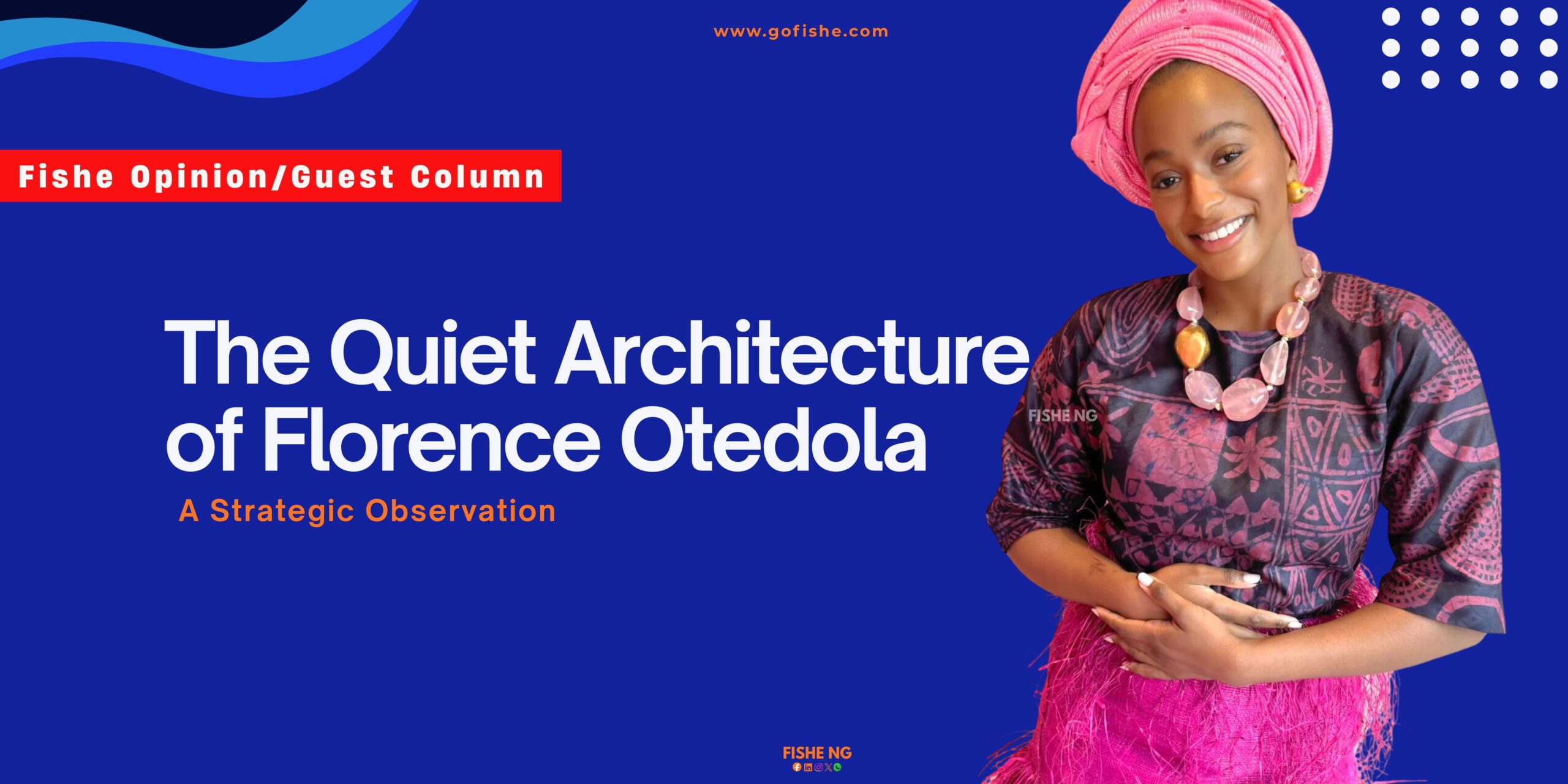

What makes this particularly compelling is that she did not arrive here by inheritance alone. The Cuppy brand was built at a distance from the Otedola machine—through music, media, philanthropy, and global cultural engagement.
Degrees earned, platforms built, and a foundation established—independently. The result is a rare dual positioning: cultural capital on one side, institutional proximity on the other.
That combination changes the nature of what can be built next.
Because if the first decade was about visibility and identity, this phase appears to be about integration—where influence meets capital, and where networks begin to compound into something more structured.
She may not yet be declaring a grand strategy. But the early signals suggest an understanding of something more enduring: that legacy is not only inherited or performed—it is assembled. Carefully. Intentionally. And often, quietly.
The world still sees a DJ.
But look closer, and a different picture emerges—one of positioning, pattern recognition, and the early architecture of something designed to last.
“The world sees a DJ. Look closer and you’ll see an Otedola building the Otedola way. Patiently. Quietly. And with the right people at her table.”