


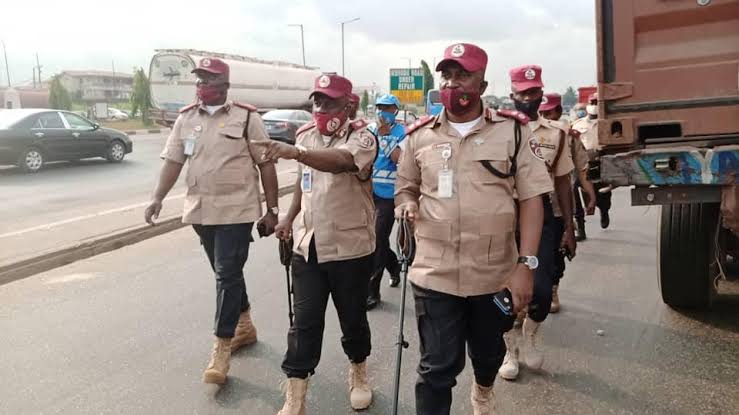
The Federal Road Safety Corps (FRSC) has come under criticism over its new roadworthiness inspection system, which many motorists say has turned into a frustrating and costly experience.
While the initiative was meant to ensure vehicles on Nigerian roads are safe, road users argue that it has become a burden, especially given the poor state of the country’s highways riddled with potholes and frequent flooding.
Motorists recount long delays, hidden charges, and inconsistent instructions at Vehicle Inspection Offices (VIOs). A Lagos banker, Sunday Okon, narrated how a process that should have taken a few hours stretched into two days. He said his payment slip initially read ₦5,000 but later “mysteriously grew” by an extra ₦2,000 for what officials called processing charges. Such complaints have become common among vehicle owners across the country.
Officially, the cost of roadworthiness certificates ranges between ₦5,000 and ₦10,000 for private vehicles, ₦12,000 to ₦25,000 for commercial buses, and up to ₦35,000 for heavy-duty trucks. However, additional charges and bribery often inflate these figures, making the system more expensive in practice. Motorists also lament frequent system downtime, which keeps them waiting for hours only to be told to return the next day.

Critics say enforcement of the roadworthiness scheme is selective. While private car owners are subjected to strict scrutiny and penalties, many commercial vehicles such as “danfo” buses, some of which are clearly unsafe, continue to operate freely after informal payments to enforcement officers. This perceived double standard has fueled public resentment, with many questioning the sincerity of the entire process.
Data from the National Bureau of Statistics shows Nigeria has over 15 million registered vehicles, with private cars making up nearly half. The report also noted a 24 percent rise in road accidents in late 2023, with commercial vehicles heavily involved. Experts warn that without addressing corruption, inefficiency, and the poor condition of roads, the FRSC’s focus on motorists alone will not significantly improve road safety.
Analysts have suggested reforms to make the system fairer and more effective. Recommendations include decentralising inspections by accrediting certified private garages, linking inspection results to insurance and licensing databases, and adjusting certificate validity periods according to a vehicle’s age. They also call for transparency in how revenue from inspections is spent, urging that funds be invested in repairing and maintaining roads to truly enhance safety.
