


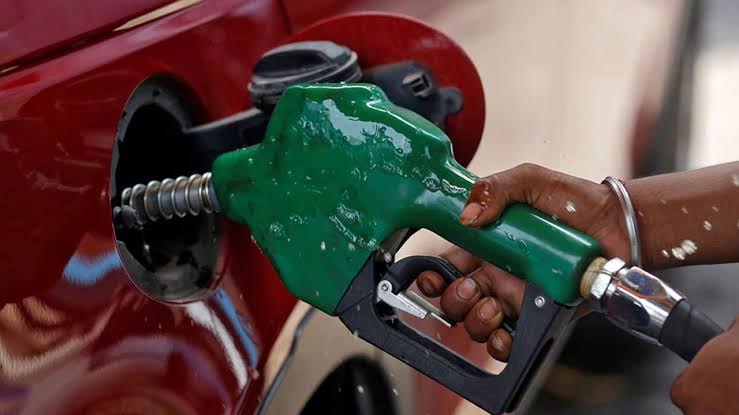
The landing cost of imported Premium Motor Spirit (PMS), commonly known as petrol, has fallen to ₦839.97 per litre as of October 21, 2025.
This represents a notable decline from the previous cost of ₦849.61 per litre earlier in the month. The reduction is attributed to favorable global crude oil prices, improved supply chain efficiencies, and a stable foreign exchange rate. Analysts suggest that this development has positioned imported petrol as cheaper than Dangote Refinery’s locally refined product, signaling potential shifts in the Nigerian fuel market.
Currently, Dangote Refinery’s ex-depot price for petrol remains higher at ₦877 per litre, roughly ₦37 above the landing cost of imported fuel. Despite this gap, most filling stations continue to retail petrol at around ₦915 per litre. Industry observers note that this disparity between landing costs and retail prices presents both opportunities and challenges for marketers, as they balance profitability with competitiveness in the fuel distribution chain.
The drop in imported petrol landing costs has already started influencing marketer behavior. Some distributors are prioritizing imported fuel over locally refined petrol due to the cost advantage, while others are closely monitoring market trends to adjust procurement strategies. Experts warn that if the trend continues, Dangote Refinery’s market share could be affected unless pricing strategies are realigned promptly. This situation has heightened competition among marketers and could eventually benefit consumers if price adjustments reach filling stations.

Dangote Refinery has faced operational challenges that compound the pricing situation. The Petroleum and Natural Gas Senior Staff Association of Nigeria (PENGASSAN) recently ordered a halt in gas and crude deliveries following mass sackings of refinery staff. These disruptions have impacted production schedules, contributing to the disparity between imported and locally refined petrol. The refinery continues to navigate these operational constraints while striving to maintain stable supply levels for domestic consumption.
Despite these setbacks, Dangote Refinery remains a key player in Nigeria’s fuel industry. Refinery officials have assured stakeholders of continued production and supply to meet demand while evaluating potential strategic adjustments to remain competitive against falling imported fuel costs. Analysts believe that proactive pricing and operational strategies could help the refinery protect market share while maintaining profitability.
In conclusion, the recent decline in imported petrol landing costs presents a competitive advantage over Dangote Refinery’s locally refined fuel. Marketers and consumers are closely monitoring the evolving situation, which may lead to shifts in sourcing strategies, pricing models, and overall market dynamics in Nigeria’s fuel sector. The development highlights how global market conditions and operational challenges influence domestic fuel pricing and underscores the need for adaptive measures by both marketers and refiners.
