


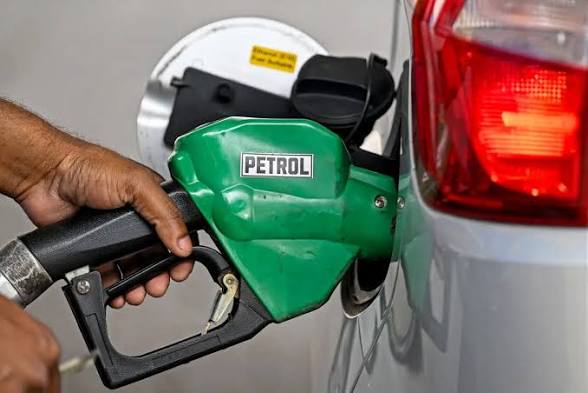
The ongoing geopolitical conflict involving Iran, Israel, and the United States the year so-far has triggered one of the most severe global energy shocks in recent history. Attacks on critical oil and gas infrastructure, combined with disruptions in key shipping routes, have led to sharp increases in global fuel prices. Among the countries most affected are Nigeria and Vietnam, which have recorded some of the highest fuel price increases worldwide.
Background: The Iran–Israel–US Conflict and Energy Disruptions
The conflict escalated dramatically in March 2026 following:
- Israeli and US strikes on Iran’s energy infrastructure, including the South Pars gas field
- Iranian retaliatory attacks on oil facilities across the Gulf (Saudi Arabia, UAE, Qatar)
- Threats and disruptions to the Strait of Hormuz, a chokepoint for global oil trade
Key impacts:
- Oil prices surged above $110–$115 per barrel
- Up to 20% of global oil supply faced disruption due to shipping blockages
- Global exports of crude oil, LNG, and diesel were significantly reduced
This created a global supply shock, pushing fuel prices upward across more than 85–95 countries.
Why Nigeria and Vietnam Are Among the Hardest Hit
Structural Dependence on Imported Fuel
Despite being an oil-producing nation, Nigeria relies heavily on imported refined petroleum products due to limited refining capacity. Vietnam similarly depends on imported fuel and refined products.
When global crude prices spike:
- Import costs rise immediately
- Domestic pump prices increase rapidly
- Currency pressures amplify the effect
Case Study: Nigeria
Rapid Fuel Price Increases
- Domestic gasoline prices surged sharply in March 2026
- The Dangote refinery increased prices by about 18% to ₦1,175/litre within days
- Multiple consecutive hikes occurred within a single week
War-Driven Inflationary Pressure
- Rising oil prices are a “mixed blessing”:
- Higher crude prices boost government revenue
- But increase domestic fuel costs and inflation
- Economists warn of:
- Rising transport costs
- Food price inflation
- Increased cost of living
Policy Constraints
Nigeria faces limited short-term options:
- Subsidy removal has exposed consumers to global price volatility
- Currency weakness (naira depreciation) worsens import costs
- Refining improvements are still insufficient to cushion shocks
Case Study: Vietnam
Exposure to Global Energy Markets
Vietnam has emerged as one of the countries with the sharpest fuel price increases globally due to:
- High reliance on imported petroleum
- Strong linkage between domestic prices and global benchmarks
- Rapid transmission of international price shocks
Economic Implications
Fuel price hikes in Vietnam have led to:
- Increased transportation and logistics costs
- Pressure on manufacturing (a key export sector)
- Risk of inflation in consumer goods
Global Economic Ripple Effects
Inflation and Cost-of-Living Crisis
- Fuel price hikes are feeding into global inflation
- Diesel prices—critical for logistics—have surged sharply
Supply Chain Disruptions
-
Reduced shipping through the Gulf has:
- Increased freight costs
- Slowed global trade
Risk of Global Recession
-
Analysts warn the crisis could trigger:
- Slower global growth
- Monetary tightening
- Economic instability across developing economies
Why These Increases Are Among the Highest Globally
Nigeria and Vietnam stand out due to a combination of:
| Factor | Nigeria | Vietnam |
| Import dependence | High (refined fuel) | High |
| Currency vulnerability | Severe | Moderate |
| Subsidy protection | Reduced | Limited |
| Price transmission speed | Very fast | Fast |
These factors amplify global oil price shocks more than in countries with:
- Strong domestic refining capacity
- Fuel subsidies
- Strategic reserves
Outlook
Short-Term (0–3 months)
- Continued volatility in oil prices
- Further fuel price hikes likely if conflict persists
- Increased inflationary pressure in developing economies
Medium-Term
-
Possible stabilization if:
- Strait of Hormuz reopens fully
- Oil production increases elsewhere
- Otherwise, sustained high prices could reshape global energy markets
Conclusion
The Iran–Israel–US war has triggered a global energy crisis, with oil supply disruptions pushing fuel prices to multi-year highs. While the impact is worldwide, Nigeria and Vietnam have experienced some of the steepest increases due to structural vulnerabilities such as import dependence and rapid price transmission.


For Nigeria, the crisis highlights the urgency of achieving domestic refining self-sufficiency, while for Vietnam, it underscores the need for energy diversification and price stabilisation mechanisms.
If the conflict continues, both countries—and many others—are likely to face prolonged economic pressure, rising inflation, and increased social strain.