


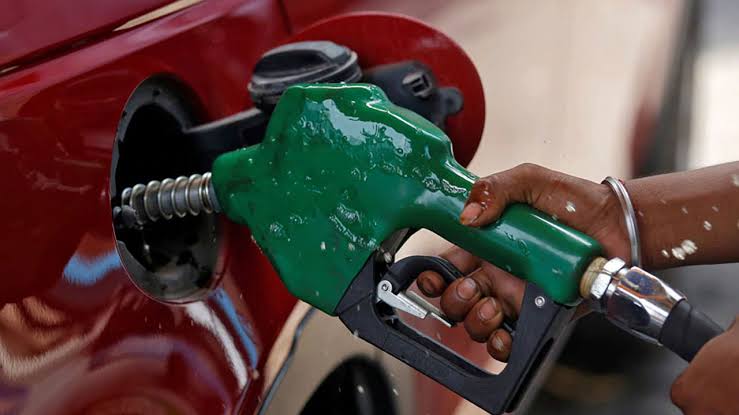
Chairman of the Presidential Committee on Fiscal Policy and Tax Reforms, Taiwo Oyedele, has said the proposed 5 percent fuel surcharge will not take effect until the naira appreciates or global crude oil prices drop significantly.
He explained that the decision was to avoid worsening the current economic hardship facing Nigerians.
Speaking at the Haulage and Logistics Magazine Conference and Exhibition in Lagos, Oyedele stated that while the surcharge policy aims to fund road maintenance, its implementation must be timed carefully to prevent an additional burden on citizens. He emphasized that the government’s priority is to stabilize the economy before introducing new levies on fuel.
“The idea of the fuel surcharge is brilliant and already being implemented in over 150 countries,” Oyedele said. “However, introducing such a tax now would be insensitive given the current economic realities. We must first ensure that inflation slows down, the naira gains strength, or oil prices drop before applying it.”


He clarified that the surcharge, which was initially proposed under the administration of former President Olusegun Obasanjo, is designed to allocate a portion of fuel revenue to road repairs, with 40 percent for federal roads and 60 percent for state and local government roads. According to him, most of Nigeria’s 200,000 kilometres of roads are in deplorable condition and require sustainable funding.
Oyedele added that though the Federal Roads Maintenance Agency (FERMA) requested to start collecting the levy following fuel subsidy removal, the committee rejected the proposal. “We said no; introducing that kind of tax now would be insensitive,” he explained, noting that the policy was included in the new draft tax law with safeguards requiring the Minister of Finance’s approval before activation.
He further assured that ongoing tax reforms would bring relief to transporters by removing multiple taxes and reducing business costs. “We are not introducing new taxes; we are eliminating the many duplicated ones that frustrate transporters,” Oyedele said, adding that small logistics firms with an annual turnover below N100 million will be exempt from company income tax and qualify for VAT refunds.