


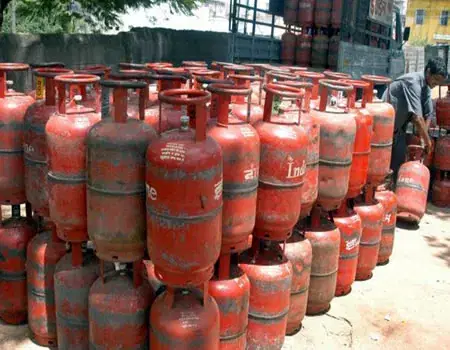
The cost of cooking gas has surged sharply across Nigeria, leaving many households struggling to cope with the impact of the worsening shortage.
Findings show that the price of refilling a 12.5-kilogram cylinder of Liquefied Petroleum Gas, LPG, has climbed from about N17,500 last week to as high as N25,000 in major cities.
Dealers blame the increase on supply shortages, rising international prices, and high transportation costs. “There is limited supply from terminals, and most of us are buying from middlemen at inflated rates,” said an LPG retailer in Lagos, Chika Nwosu. “We are forced to pass the cost to customers just to stay in business.”
Consumers say the situation has become unbearable, forcing many families to reduce cooking frequency or switch to charcoal and firewood. “It is getting out of hand,” lamented a resident of Abuja, Hauwa Ibrahim. “Cooking gas is now a luxury. If it continues like this, people will return to old methods of cooking.”


Industry experts link the crisis to poor domestic production and import bottlenecks. Nigeria currently imports more than 60 percent of its LPG needs, making the market vulnerable to foreign exchange fluctuations. “Unless local production increases, prices will keep going up,” said energy analyst, Ayo Olumide.
The Nigerian Association of Liquefied Petroleum Gas Marketers has appealed to the federal government to intervene urgently. “We need stable supply, fair pricing at depots, and incentives for local producers,” said its president, Olatunbosun Oladapo. “The situation is worsening daily and Nigerians are the ones suffering.”
Energy watchers warn that if the shortage persists, inflation and household hardship could deepen further. They urged authorities to strengthen refinery capacity, regulate depot prices, and ensure transparent distribution to restore stability in the market.