

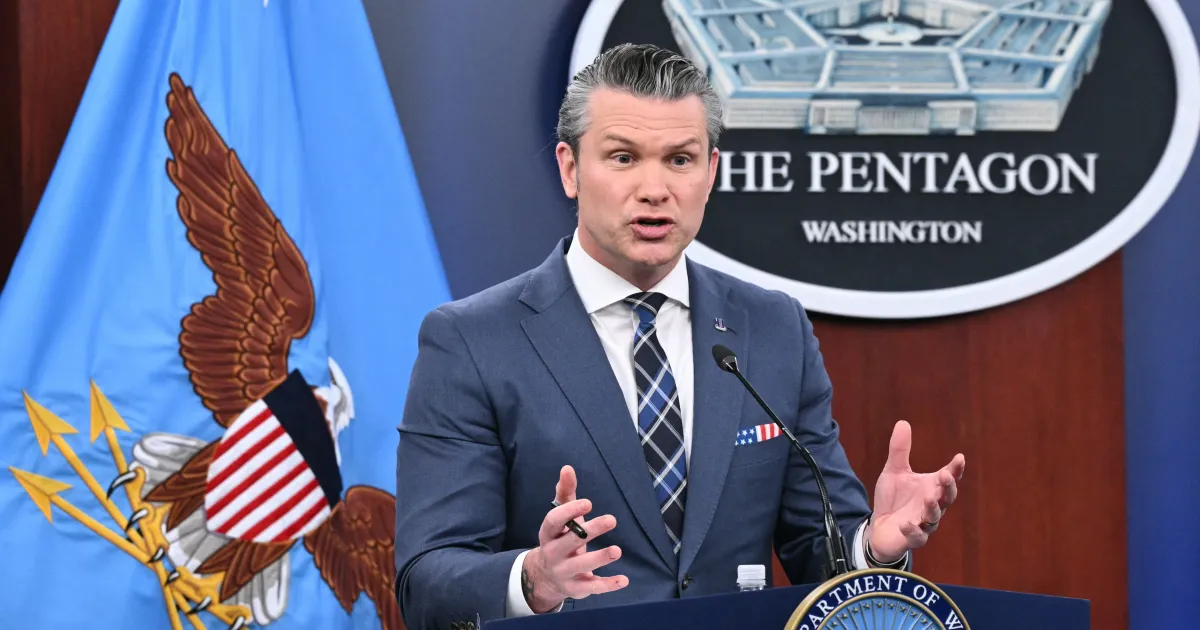
On April 15, 2026, House Democrats introduced six articles of impeachment against U.S. Secretary of Defense, Pete Hegseth, during the ongoing U.S.–Iran conflict. The effort was led by Rep. Yassamin Ansari (D–AZ), and reflects escalating political backlash over U.S. military operations in Iran and allegations of misconduct within the Department of Defense.
The impeachment push comes amid heightened tensions in what media sources describe as the U.S.–Iran war (Operation Epic Fury), a large-scale military campaign involving U.S. and Israeli strikes against Iranian military infrastructure and leadership targets.
Background: The U.S.–Iran War Context
The impeachment articles are directly tied to controversies surrounding the war, including:
- Large-scale U.S. and allied strikes on Iranian military assets
- Allegations of civilian casualties, including an Iranian school strike
- Disputes over legality under international law
- Accusations of classified information mishandling within the Pentagon
Reports indicate that Democratic lawmakers have increasingly questioned the legality, oversight, and humanitarian impact of the campaign, especially following claims of civilian deaths in Iran.
The Six Articles of Impeachment
According to congressional summaries and reporting, the impeachment resolution includes the following core charges:

- Unauthorised war against Iran
- Allegation that Hegseth escalated or conducted military actions without proper congressional authorization
- Violations of the law of armed conflict
- Accusations of unlawful targeting and civilian harm, including alleged strikes on non-military sites
- Negligent handling of classified information
- Claims of reckless or improper disclosure of sensitive military intelligence
- Obstruction of congressional oversight
- Allegations of withholding or limiting information from Congress regarding military operations
- Abuse of power and politicisation of the military
- Claims that Hegseth used the Department of Defense for political or ideological purposes
- Conduct unbecoming/discrediting the armed forces
- Assertion that his leadership damaged the credibility and neutrality of the U.S. military
Specific Allegations Linked to the Iran Conflict
Several impeachment arguments are tied directly to battlefield actions:
- Civilian casualty allegations
- Lawmakers cited reports of strikes on civilian infrastructure, including a girls’ school in Iran
- Operational transparency concerns
- Claims that Congress was not fully briefed on targeting decisions
- Escalation authority
- Critics argue Hegseth exceeded his authority in authorising or enabling certain strikes
Some members of Congress have separately called for investigations into civilian deaths during Operation Epic Fury, intensifying scrutiny of Pentagon decision-making.
Political Dynamics in Congress
- The impeachment effort is Democratic-led and lacks Republican support
- Republicans control the House, making passage highly unlikely
- Even Democratic leadership has signaled skepticism about the effort’s chances
Despite this, supporters argue the articles serve as:
- A formal accountability mechanism
- A warning over executive war powers expansion
- A political statement against the handling of the Iran war
White House and Pentagon Response
The Pentagon has strongly rejected the impeachment effort, describing it as a political distraction.
Officials argue that:
- Military operations are lawful and conducted under presidential authority
- The Department of Defense has met strategic objectives in the conflict
- Allegations of misconduct are “politically motivated”
Broader Significance
This impeachment initiative reflects several larger political and institutional tensions:
War Powers Conflict
A central issue is the balance between congressional authority and executive war-making powers, especially in fast-moving military operations.
Civilian Casualties Debate
Reports of civilian harm in Iran have intensified debates over:
- Rules of engagement
- Targeting intelligence accuracy
- Compliance with international humanitarian law
Militarisation of Political Disputes
The case also highlights growing polarization over military leadership, with Hegseth becoming a central figure in broader debates about U.S. foreign policy.
Likelihood and Outlook
Analysts broadly agree that:
- The articles are unlikely to advance in the current Congress
-
They may still influence:
- Public opinion
- Future oversight hearings
- 2026 election debates
Conclusion
The impeachment articles against Defense Secretary, Pete Hegseth, represent one of the most significant congressional challenges to a wartime Pentagon leader in recent years.
While procedurally unlikely to succeed, the effort underscores deep divisions over the conduct of the U.S.–Iran war, particularly regarding civilian casualties, executive authority, and transparency in military operations.
