


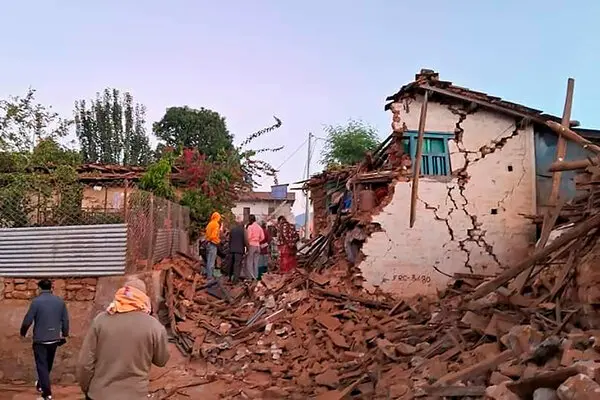
International Aid Pours In As Afghanistan Reels From Devastating Earthquake.
A powerful 6.0-magnitude earthquake struck eastern Afghanistan on 31 August 2025, claiming at least 1,469 lives and injuring over 3,700 people, according to the latest updates from local authorities. The disaster, centred in Kunar Province near the Pakistan border, has prompted a robust international response to support the war-torn nation’s recovery efforts.
The quake, which hit just before midnight local time, had its epicentre 27 kilometres northeast of Jalalabad in Nurgal District, at a shallow depth of 8 kilometres, amplifying its destructive force. The United States Geological Survey reported a maximum Modified Mercalli intensity of IX (Violent) in Nurgal, where entire villages, including Wadir, Shomash, Masud, and Areet, were obliterated. In Mazar-e-Dara, 95% of homes were destroyed, with dozens of fatalities reported. Over 8,000 homes, primarily mud and stone structures built on steep valleys, collapsed, leaving thousands displaced.

The Taliban government, grappling with limited resources, swiftly mobilised rescue operations, deploying 200 soldiers, 30 ambulances, and four helicopters to airlift 2,000 injured to Nangarhar Regional Hospital. The Afghan Ministry of Defence transported 30 doctors and 800 kilograms of medical supplies to Kunar. The Afghan Red Crescent Society and local volunteers have been instrumental in distributing food, water, and hygiene items, while a new telecommunications site in Nurgal was activated to aid coordination.
International support has been forthcoming, with India delivering 1,000 tents and 15 tonnes of food, and Iran providing 80 tonnes of flour and cooking oil. The United Kingdom pledged £1 million in humanitarian aid, while the European Union committed €1 million and 130 tonnes of emergency supplies. China, Turkey, Switzerland, and the UAE have also sent relief, including food, medical supplies, and search-and-rescue teams. UN Secretary-General António Guterres expressed solidarity, with UN agencies mobilising to assist.
The disaster compounds Afghanistan’s existing challenges, including drought, poverty, and reduced foreign aid since the Taliban’s 2021 takeover. Heavy rains and landslides have further hampered rescue efforts in the rugged terrain. The World Health Organization estimates 84,000 people are affected, with fears of rising casualties as remote villages remain inaccessible.
Despite the tragedy, the swift response from local and global communities offers hope. The Taliban’s appeal for international aid, coupled with grassroots efforts like blood donations in Nangarhar, underscores a collective resolve to support survivors. As rescue operations continue, the focus remains on saving lives and rebuilding shattered communities in one of the world’s most vulnerable regions.
