


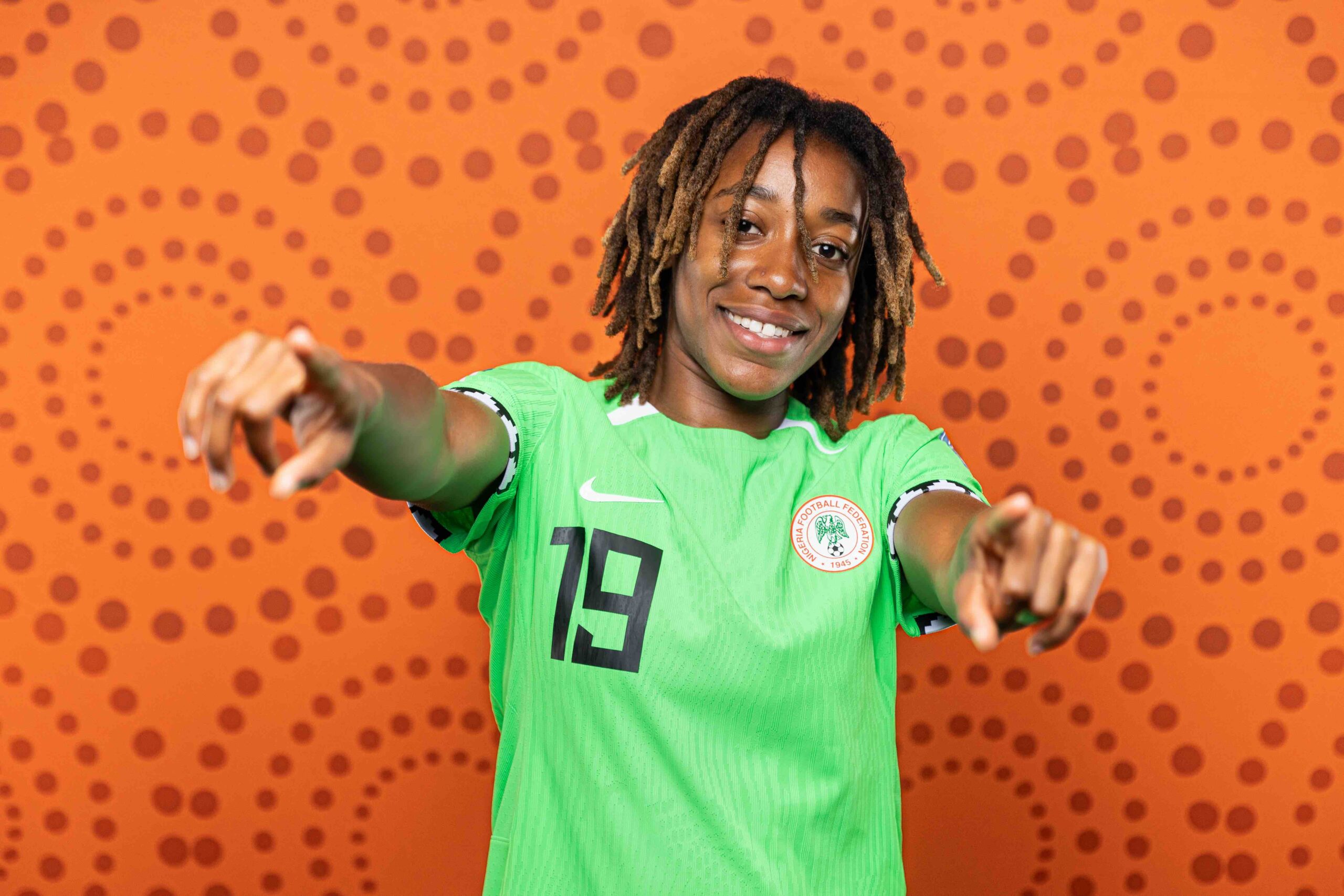
Midfielder, Jennifer Echegini, of the Nigeria women’s national football team, popularly known as the Super Falcons, has openly criticised the level of preparation and support the team receives ahead of major international tournaments. Her remarks have sparked widespread discussion among football fans, sports administrators, and stakeholders in Nigerian football.
Echegini, who has quickly become one of the rising stars of Nigerian women’s football, expressed pride in representing her country but also highlighted structural challenges that affect the team’s ability to compete at the highest level.
Pride in Representing Nigeria
Despite the concerns she raised, Echegini emphasized the pride and emotional significance of playing for Nigeria. She described representing the Super Falcons on the international stage as an honor that carries deep meaning for both the players and Nigerian fans.
The midfielder, who has featured prominently in recent competitions, noted that winning tournaments with the national team brings a unique sense of pride and responsibility. According to her, lifting a major trophy with Nigeria is an experience that stands apart from club achievements.


Her comments reflected the passion and commitment many players feel when representing the country, even when conditions are not ideal.
Concerns About Tournament Preparation
However, Echegini did not hold back when discussing the difficulties faced by the team in preparing for international competitions.
She pointed out that the Super Falcons often enter major tournaments with limited preparation time, fewer friendly matches, and logistical challenges compared to some of their international rivals.
Adequate preparation, she noted, is essential for building team chemistry, improving tactical coordination, and ensuring players are physically and mentally ready for intense competitions.
In contrast, many top national teams spend months planning training camps, arranging high-level friendlies, and implementing strategic preparation plans ahead of major tournaments.
Calls for Better Support and Organisation
Echegini’s comments also highlighted the need for improved support from football authorities, particularly the Nigeria Football Federation.
She suggested that better organisation, earlier planning, and more consistent support could significantly improve the team’s chances of success in international competitions.
According to many analysts, these issues have been recurring challenges in Nigerian football, especially in the women’s game. Players and coaches have frequently called for more structured preparation, improved funding, and stronger institutional support.
Growing Global Competition in Women’s Football
Echegini’s concerns come at a time when women’s football around the world is becoming increasingly competitive.
Countries across Europe, Asia, and the Americas have invested heavily in women’s football development, providing players with world-class facilities, professional leagues, and structured national team programs.
For Nigeria to maintain its historic dominance in African women’s football and remain competitive globally, experts say similar investments and planning will be necessary.
The Super Falcons remain Africa’s most successful women’s national team, but the gap between African teams and other global powers continues to narrow as the sport grows worldwide.
Impact on Nigerian Women’s Football
The remarks from Echegini have reignited conversations about the broader challenges facing women’s football in Nigeria.
Players, fans, and sports commentators have used the moment to call for reforms that could strengthen the structure and administration of the women’s game.
Improved planning, better welfare for players, and consistent investment in training and development are among the key recommendations being discussed by stakeholders.
Many believe that addressing these issues could help Nigeria continue to produce world-class talents while ensuring the national team remains competitive on the global stage.
A Voice for Change
At just the beginning of what promises to be a long international career, Echegini’s willingness to speak openly about the team’s challenges has positioned her as an important voice within Nigerian women’s football.
Her comments reflect a growing trend among athletes who are increasingly advocating for better conditions, professional standards, and stronger institutional support within their sports.
For the Super Falcons and their supporters, the hope is that these conversations will lead to meaningful improvements that allow the team to prepare effectively and compete successfully in future tournaments.
Looking Ahead
As the Super Falcons prepare for upcoming international competitions, the spotlight will remain on how football authorities respond to the concerns raised by players like Echegini.
Better preparation, stronger support systems, and improved organisation could play a crucial role in helping the team maintain its legacy while adapting to the evolving landscape of women’s football.
For now, Echegini’s message serves as both a reflection of the team’s challenges and a call to action for those responsible for shaping the future of Nigerian women’s football.