


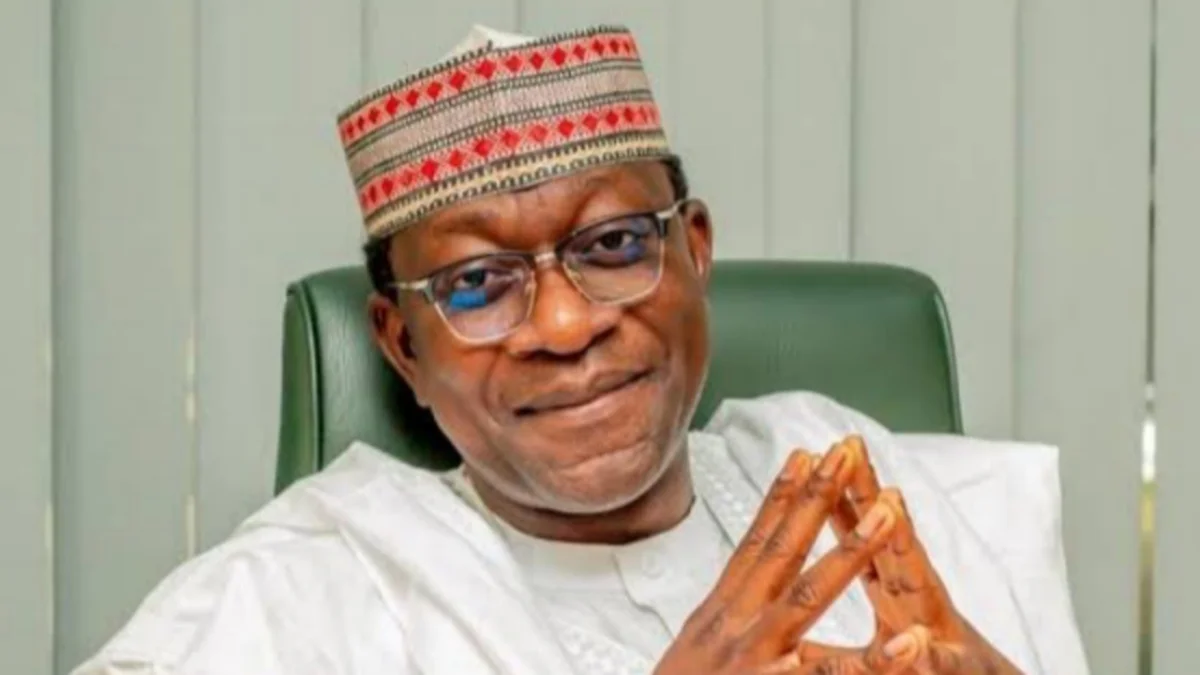
Abdulmumin Jibrin represents Kiru/Bebeji Federal Constituency in Kano State in the House of Representatives. Over the years he has moved between political parties. He was once in the APC, then moved to the NNPP via the Kwankwasiyya movement. He has played notable roles in Kano politics.
Expulsion from NNPP
On 6 September 2025 the Kano State chapter of the NNPP announced Jibrin’s expulsion, citing alleged “anti-party activities” and failure to pay his statutory party dues.
-
The state party chairman, Hashim Sulaiman Dungurawa, claimed Jibrin had repeatedly attacked the party in the media, aligned publicly with rivals, and failed to remit his dues.
-
The expulsion came shortly after media appearances by Jibrin — including an interview of note, in which he hinted at the possibility of leaving the party.

-
However, the national secretariat of NNPP later declared the expulsion “null and void” on the grounds that the state chairman lacked locus to expel him.
-
Jibrin himself, in a statement, said he accepted the decision “in good faith” and that his recent interviews were consistent with his rights as a party member.

Return to APC
Even before the formal exit/expulsion, Jibrin had met with President Bola Tinubu, APC leader, which triggered speculation of defection.
-
In July 2025, after a closed-door meeting with President Bola Tinubu, Jibrin stated:
“I do not think it is time for that conversation, but everything is open and it’s a possibility.”
-
He also affirmed that his doors remain open and that he is old enough to make his own decisions.
Why This Matters
-
Kano Political Balance – Kano is a key northern state and the NNPP has been a stronghold there, especially via the Kwankwasiyya movement. A high-profile exit or defection like Jibrin’s has ripple effects for both NNPP and APC’s prospects ahead of the 2027 general elections.
-
Party Discipline and Internal Dynamics – Jibrin’s expulsion (and the counterclaim of nullity) highlights internal factionalism within NNPP, and how discipline, loyalty and dues are used as leverage against dissenting members.
-
Defection Strategy – For APC, attracting an established lawmaker from NNPP would send a signal of consolidation and weaken opposition in Kano. For Jibrin, returning to APC may align him with the ruling party’s resources and national influence.
-
Implications for Constituents – Voters in his constituency may view the moves as opportunistic or strategic. How Jibrin frames the transition will matter for his credibility and future re-election prospects.
What’s Next
-
Formal Return: On is Facebook page, he wrote: Today, by the grace of God, I received a nice welcome from thousands of my constituents in my motherland Kofa, Bebeji, Kano. Participants have decided to leave NNPP/Kwankwasiyya movement, join APC party and support President Bola Ahmed Tinubu GCFR for the second term in office.
-
From the beginning, almost 2,000 scholars from my constituency have prayed special prayers for the President and seek for peace, development and development of Kiru/Bebeji, Kano and Nigeria altogether.
-
2027 Positioning: With the 2027 general elections on the horizon, this move may serve as a pre-emptive alignment. APC may hope to shore up its northern base; NNPP may need to shore up loyalty and internal cohesion.
Conclusion
Abdulmumin Jibrin finds himself at a political crossroads: expelled (or quasi-expelled) from the NNPP, but hinting at a return to the APC, the party he once left. Whether he formally rejoins APC, and how the transition plays out, will influence not just his personal political fortunes, but the broader party dynamics in Kano.
For the NNPP, it’s a signal to reinforce discipline and manage internal divisions; for the APC, it’s a potential gain, provided they can accommodate him and navigate local opposition.