


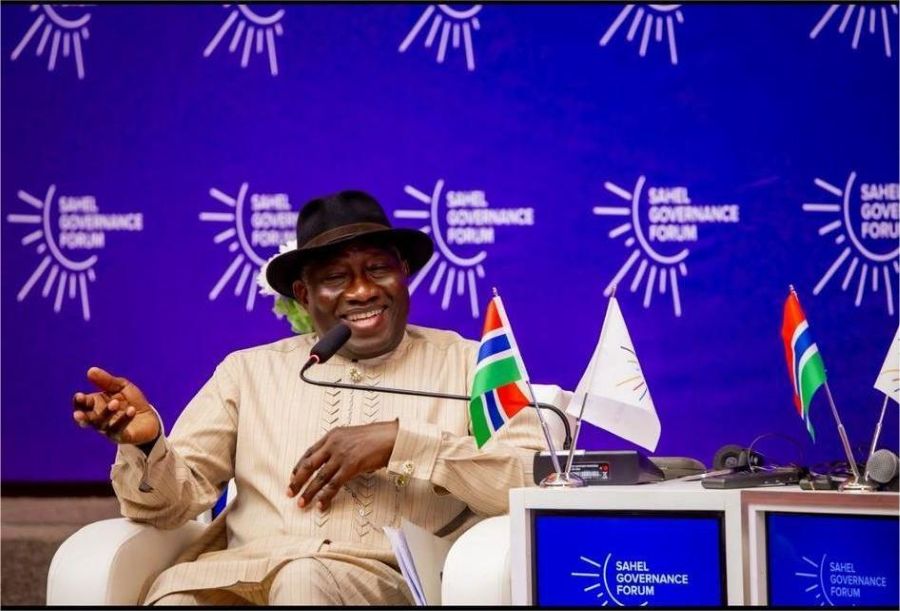
Former President Goodluck Jonathan is among African leaders currently trapped in Guinea-Bissau after a sudden military coup disrupted the country’s presidential election process.
Jonathan is part of a delegation of 36 high-profile observers representing the African Union (AU), the Economic Community of West African States (ECOWAS), and the West African Elders Forum (WAEF). The joint mission was in Guinea-Bissau to monitor the presidential election held on Sunday, November 23, 2025.
Military Takeover
On Wednesday, November 26, military officers seized control of the government, suspended the electoral process, and imposed strict security measures including the closure of borders and the shutdown of airports.
The coup followed a tense election scenario in which both incumbent President, Umaro Sissoco Embaló, who is seeking re-election, and his main opponent, Fernando Dias, declared victory even though the official results had not been released by the electoral commission.

Observers Express Concern
In a statement after the takeover, the observer mission expressed “deep concern” about the military intervention. The statement emphasized the disappointment that the coup occurred just after the observers had met both leading candidates, who had assured them of their commitment to respect the will of the people.
The observers called on the AU and ECOWAS to take urgent steps to restore constitutional order and demanded the immediate release of all detained officials.
Implications for the Region
The military coup in Guinea-Bissau represents a setback for democracy in a country with a long history of political instability. That high-profile African leaders, including Nigeria’s Goodluck Jonathan, are now stranded underscores the diplomatic and security risks for observer missions in volatile regions.
The situation also raises concerns about regional stability, as Guinea-Bissau’s unrest may have ripple effects across West Africa. The resumption of credible elections and restoration of constitutional order will likely require strong engagement from both the AU and ECOWAS.
What’s Next
The observer mission, including Jonathan, is scheduled to leave Guinea-Bissau on November 29, 2025, as the political situation remains uncertain. Meanwhile, international and regional organizations are being closely watched for their next steps to mediate the crisis and ensure the country returns to civilian rule.
