


The United States federal government shutdown has entered its second month, leaving millions of Americans facing growing financial strain and food insecurity.
Officials warn that more than 41 million people who rely on the Supplemental Nutrition Assistance Program (SNAP) could miss crucial food benefits as federal funding remains blocked.
According to the United States Department of Agriculture (USDA), no SNAP benefits will be issued on November 1, putting low‑income families at immediate risk. “At this time, there will be no benefits issued November 01. We are approaching an inflection point,” the USDA said in a statement. Many families are now forced to consider difficult choices between paying for food, medicine, or utilities.
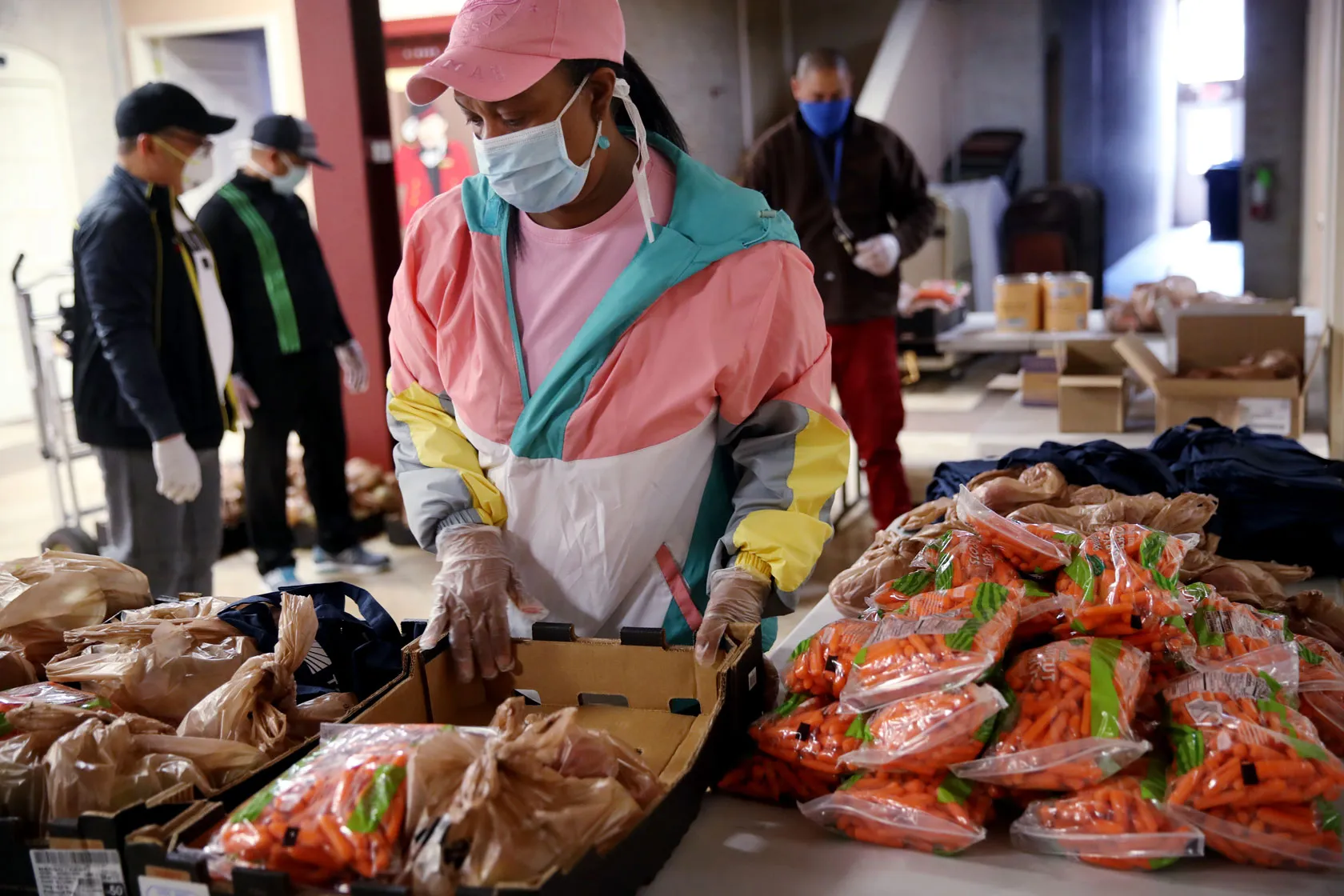
Analysts note that SNAP benefits cover a significant portion of monthly grocery costs for participants. “We’re very likely to see people making some really impossible decisions: Do you put off paying a utility bill? Skimp on your medication?” said Katie Bergh, a senior policy analyst. Food banks nationwide are already preparing for increased demand, warning that the situation could overwhelm local resources.

The shutdown stems from an ongoing political standoff in Washington. Republicans are pushing for a “clean” continuing resolution, while Democrats demand the inclusion of healthcare and food‑aid provisions. Meanwhile, federal employees face unpaid work or furloughs, and government services remain largely halted.
State governments are taking emergency steps to fill the gap. Some have declared food‑emergency states to provide funding for local food banks. However, officials warn that state measures cannot fully replace the federal support that SNAP provides, leaving millions vulnerable.
With no end to the shutdown in sight, the impact on everyday Americans continues to mount. Families are bracing for a November without essential federal food aid, and hunger is becoming a very real and immediate challenge across the country.
