


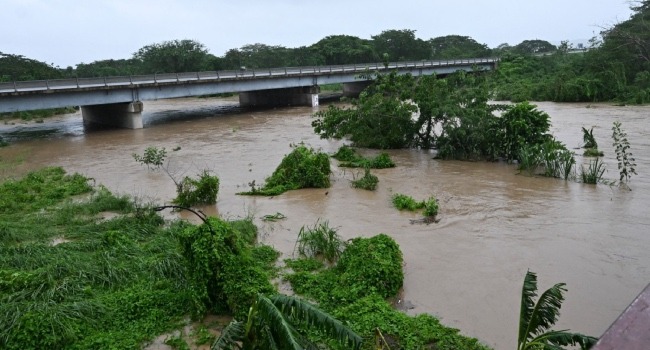
Hurricane Melissa made landfall early Wednesday on Cuba’s southern coast as a Category 3 storm, the U.S. National Hurricane Center (NHC) reported.
The storm struck near the rural, mountainous area of Guama, about 25 miles west of Santiago de Cuba, with maximum sustained winds of 120 mph (195 kph).
The hurricane follows devastating impacts in Jamaica, where Melissa hit as a Category 5 storm with winds up to 185 mph. In St. Elizabeth parish, officials reported areas were “underwater” and more than 500,000 residents were left without power. Jamaican Prime Minister Andrew Holness said, “The reports that we have had so far would include damage to hospitals, significant damage to residential property, housing and commercial property as well, and damage to our road infrastructure.”
In Cuba, authorities evacuated approximately 735,000 people across eastern provinces, including Granma, Santiago de Cuba, and Guantánamo. President Miguel Díaz‑Canel warned that the storm would cause “significant damage” and urged residents to follow evacuation orders. The NHC cautioned that life‑threatening storm surge, flash flooding, landslides, and damaging winds were ongoing.

Melissa weakened slightly after leaving Jamaica but remained a dangerous Category 3 hurricane as it crossed Cuba. Forecasters expect the storm to weaken further over the island but warned it could still affect the southeastern and central Bahamas later Wednesday and approach Bermuda by Thursday, where a hurricane watch is in effect.
The timing of the storm adds pressure to Cuba, already facing shortages of food, fuel, electricity, and medicine. President Díaz‑Canel said the government had mobilized 2,500 electric line workers to begin recovery immediately after the storm passes.
As daylight returned in Jamaica, videos on social media showed downed trees, washed-out roads, and damaged buildings. The hurricane is being closely monitored by authorities throughout the Caribbean, highlighting the increasing intensity of storms in the region.
