


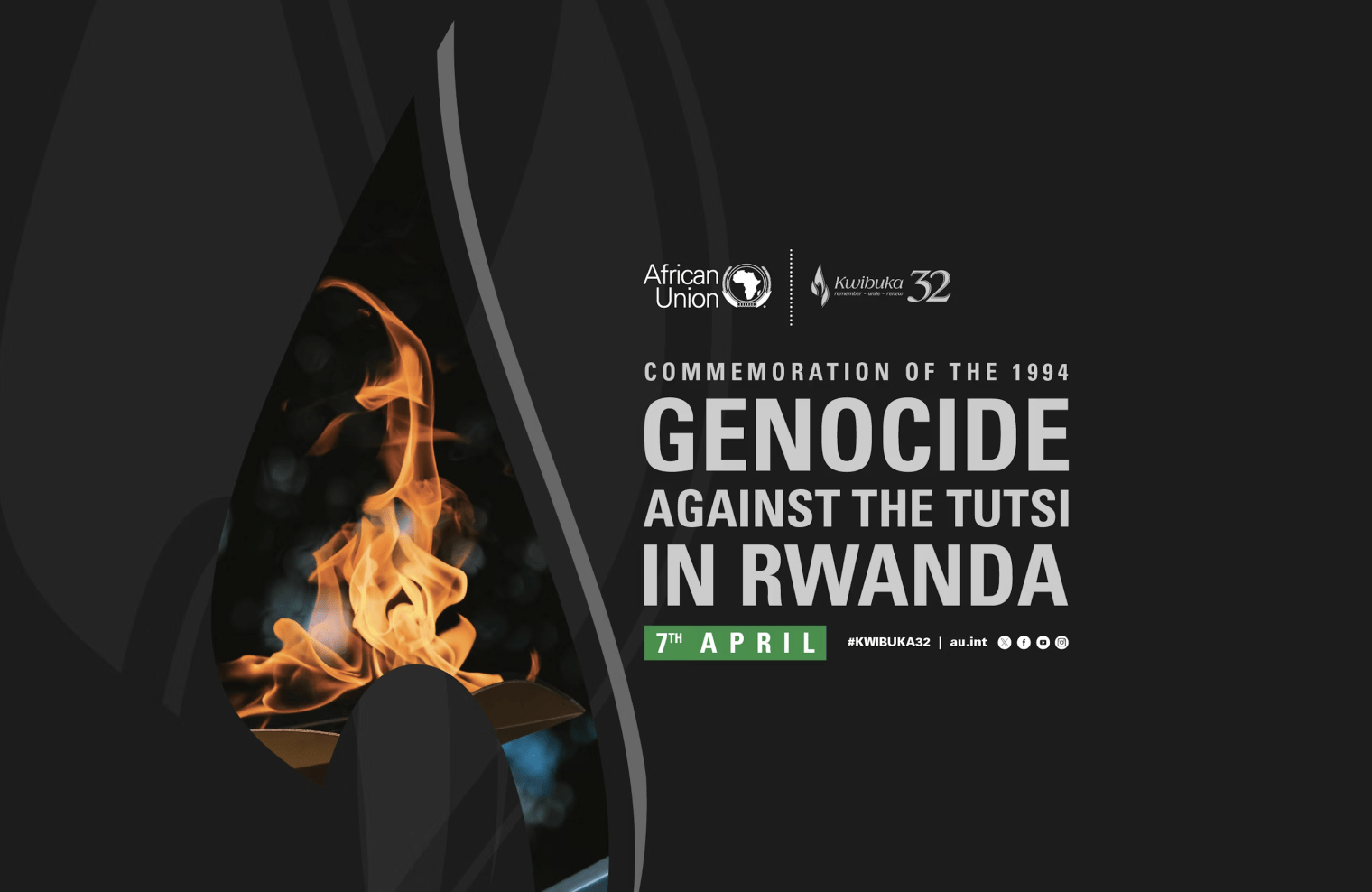
The remarks delivered during the commemoration of Kwibuka 32 reflect a solemn tribute to the victims of the Genocide against the Tutsi. The address emphasizes remembrance, moral reflection, accountability, and the progress made by Rwanda in the decades following the tragedy. It also underscores the continued commitment of the United States to justice and reconciliation.
Commemoration and Remembrance
Nick Checker – Senior Bureau, Official Bureau of African Affairs begins by acknowledging the gravity of the occasion, honouring nearly one million victims, primarily Tutsis, along with Hutu, Twa, and others who were killed for opposing the genocidal regime.
The tone is one of deep mourning and collective reflection on:
- The immense loss of life
- The destruction of families and communities
- The enduring emotional and historical weight of the genocide
The commemoration serves not only as remembrance but as a reaffirmation of the global responsibility to prevent such atrocities in the future.
Personal Reflection and Witness
A significant portion of the remarks draws on the speaker’s personal visit to genocide memorial sites in Rwanda, particularly Nyamata and Ntarama churches. These locations are described as places where thousands sought refuge but were ultimately massacred.


The speaker conveys a powerful emotional response, emphasizing:
- The physical evidence of violence still present
- The transformation of sacred spaces into sites of atrocity
- The lasting psychological and spiritual impact of witnessing such sites
This firsthand experience reinforces the reality of the genocide and deepens the moral urgency of remembrance.
Religious and Moral Interpretation
The remarks incorporate a theological perspective rooted in Catholic belief. The altar, described as symbolic of sacrifice and redemption, becomes a focal point for reflecting on the intersection of divine meaning and human violence.


Key ideas include:
- The altar as a representation of Christ’s sacrifice
- The profound contradiction of sacred space being defiled by violence
- The enduring presence of hope and redemption even in tragedy
Mr. Nick Checker references Saint Augustine and Paul the Apostle to frame the genocide within a broader theological understanding of evil and grace. These references emphasize that while the horror cannot be explained away, it does not eliminate the possibility of redemption and moral renewal.
Rwanda’s Post-Genocide Recovery
The remarks highlight Rwanda’s significant progress over the past 32 years.
The country is presented as an example of resilience and transformation, having:
- Restored national security
- Rebuilt governmental and social institutions
- Fostered a unified national identity
The speaker acknowledges that this recovery required difficult decisions and strong leadership, particularly in preventing the re-emergence of conditions that enabled mass violence.
U.S. Support and Policy Stance
The United States’ role is clearly articulated, emphasizing continued support for Rwanda’s unity and reconciliation efforts.
Key policy positions include:
- Opposition to genocide denial or historical distortion
- Condemnation of hate speech and incitement to violence
- Support for truth, remembrance, and education
The U.S. is portrayed as a committed partner in ensuring that the legacy of the genocide is preserved accurately and responsibly.
Justice and Accountability
A central theme of the remarks is the importance of justice for victims and survivors. The speaker highlights the role of the International Criminal Tribunal for Rwanda, which was supported by the United States.
Efforts mentioned include:
- Establishment and support of international judicial mechanisms
- Assistance in capturing and prosecuting perpetrators
- Ongoing collaboration with international partners to ensure accountability
This commitment is framed as essential to both honoring victims and preventing future atrocities.
Conclusion and Call to Action
The remarks conclude with a call for continued vigilance and moral responsibility.
Attendees are encouraged to:
- Learn from history
- Uphold truth and justice
- Work collectively to prevent future genocides
The Senior Bureau, Official Bureau of African Affairs ends by expressing deep respect for victims and survivors, emphasizing that their memory should guide global efforts toward a more just and peaceful world.
Key Themes Summary
- Remembrance and moral responsibility
- The enduring impact of genocide
- Faith and the possibility of redemption
- National recovery and resilience
- International justice and accountability
- Commitment to preventing future atrocities