


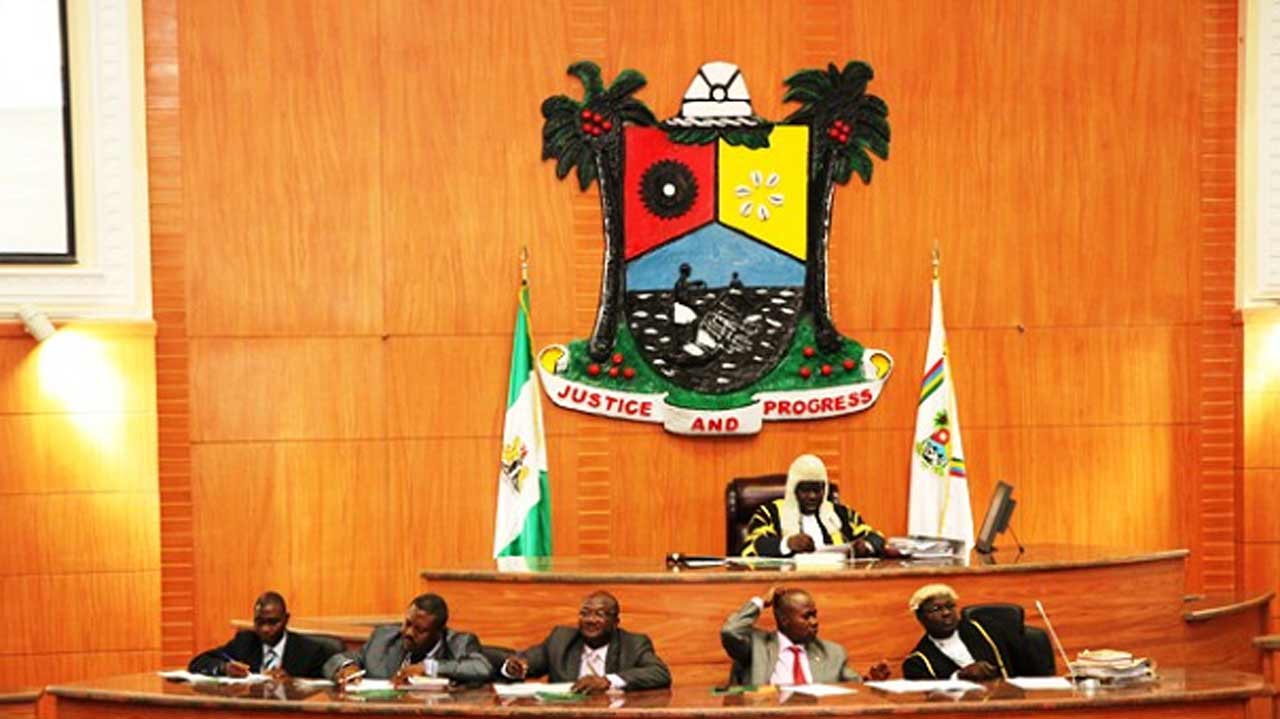
The Lagos State House of Assembly has recommended relocating residents of the waterfront communities of Makoko, Oko‑Agbon, and Sogunro to Epe, specifically the Agbowa area. The recommendation follows investigations into the demolition of structures in these communities, which displaced thousands of residents.
The recommendation followed the adoption of a report by the Assembly’s House Committee on Rules and Business during plenary. The report emerged after lawmakers investigated petitions submitted by residents who were displaced during a controversial demolition exercise carried out by the Lagos State Government.
Background to the Demolition
The relocation proposal is closely linked to demolition operations conducted by the Lagos State Government in late December 2025 and early January 2026. The government targeted what it described as “illicit structures” in Makoko, Oko-Agbon and Sogunro communities located near the Third Mainland Bridge.
The exercise resulted in the destruction of several homes and structures within these densely populated waterfront settlements. Thousands of residents—many of whom rely on fishing as their primary source of livelihood—were displaced.


The demolitions sparked public controversy, with community members and civil society organisations condemning the exercise as heavy-handed and calling for clear plans for resettlement, rehabilitation and compensation for the affected residents.
Petition to the Lagos Assembly
Following the demolitions, affected residents submitted a petition to the Speaker of the Assembly, Mudashiru Obasa.
The petition, titled “Urgent Appeal Regarding Ongoing Mass Forced Eviction and Illegal Demolition Threatening Tens of Thousands in Makoko, Oko-Agbon and Sogunro Communities,” called the Assembly’s attention to the humanitarian impact of the demolitions.
Petitioners argued that the eviction had displaced thousands of people, destroyed homes and livelihoods, and created uncertainty for residents who had lived in the communities for decades.
Legislative Investigation
In response, the Assembly mandated its Committee on Rules and Business to investigate the matter. The committee, chaired by Noheem Adams, conducted a detailed inquiry into the situation.
According to an official statement released by the Assembly’s Public Affairs Directorate, the committee:
-
Held five separate meetings with petitioners and community representatives.
-
Conducted an oversight visit to the affected waterfront communities.
-
Engaged relevant government officials, agencies, and community leaders.
The investigation revealed that the demolition exercise displaced large numbers of residents, including women, children and elderly people, while homes and other property were destroyed.
Findings of the Committee
During its investigation, the committee noted that the affected communities rely heavily on fishing as their primary source of livelihood. Many residents have historically lived on the lagoon because their occupation requires proximity to water.
The lawmakers also observed that living conditions in Makoko and surrounding areas deteriorated significantly after the demolition exercise.
Key concerns identified included:
-
Increased environmental and sanitation challenges
-
Heightened health risks
-
Safety and security concerns for displaced residents
These findings reinforced the need for a structured government intervention to address both the humanitarian and socio-economic consequences of the demolition.
Key Recommendations by the Assembly
1. Relocation to Agbowa, Epe
Based on its findings, the Assembly recommended that the Governor of Lagos State, Babajide Sanwo‑Olu, facilitate the relocation of the remaining residents of Makoko, Sogunro and Oko-Agbon to a proposed low-cost housing estate in Agbowa, Epe.
Lawmakers emphasized that the location was selected partly because it would allow residents to continue their fishing activities, thereby protecting their primary means of livelihood.
2. Verification of Enumeration Data
The Assembly also recommended that the governor direct the Special Adviser on E-GIS to vet the enumeration report submitted by the affected communities.
This process would help determine:
-
The exact number of displaced residents
-
The households eligible for relocation or compensation
-
The scale of housing required for resettlement
Confirmation by the Speaker’s Office
The development was confirmed by Adeshina Oyetayo, the Special Adviser on Research, Media and Documentation to the Speaker.
Speaking on the matter, Oyetayo stated that the statement released by the Public Affairs Directorate accurately reflected the official position of the Lagos State House of Assembly regarding the situation.
Public Reaction and Controversy
The demolition and relocation proposal has generated mixed reactions among stakeholders.
Critics
Community members and civil society organisations have criticised the demolition exercise, arguing that:
-
It displaced thousands without adequate warning.
-
There was no clear resettlement or compensation plan before the demolition.
-
Long-standing communities were disrupted.
Supporters
Others argue that the demolition was necessary to:
-
Address unregulated construction along Lagos waterways.
-
Improve urban planning and environmental safety around the lagoon.
-
Prevent structural risks near key infrastructure such as the Third Mainland Bridge.
Conclusion
The recommendation by the Lagos State House of Assembly to relocate displaced residents of Makoko, Oko-Agbon and Sogunro to Agbowa in Epe represents a legislative response to the humanitarian and urban planning challenges caused by the demolition of waterfront settlements.
While the proposal aims to provide low-cost housing and sustain fishing livelihoods, its success will depend largely on transparent implementation, accurate enumeration of affected residents, and meaningful engagement with the communities involved.
If effectively executed, the relocation initiative could become a significant step toward balancing urban development, environmental regulation, and social welfare in Lagos’ waterfront communities.