


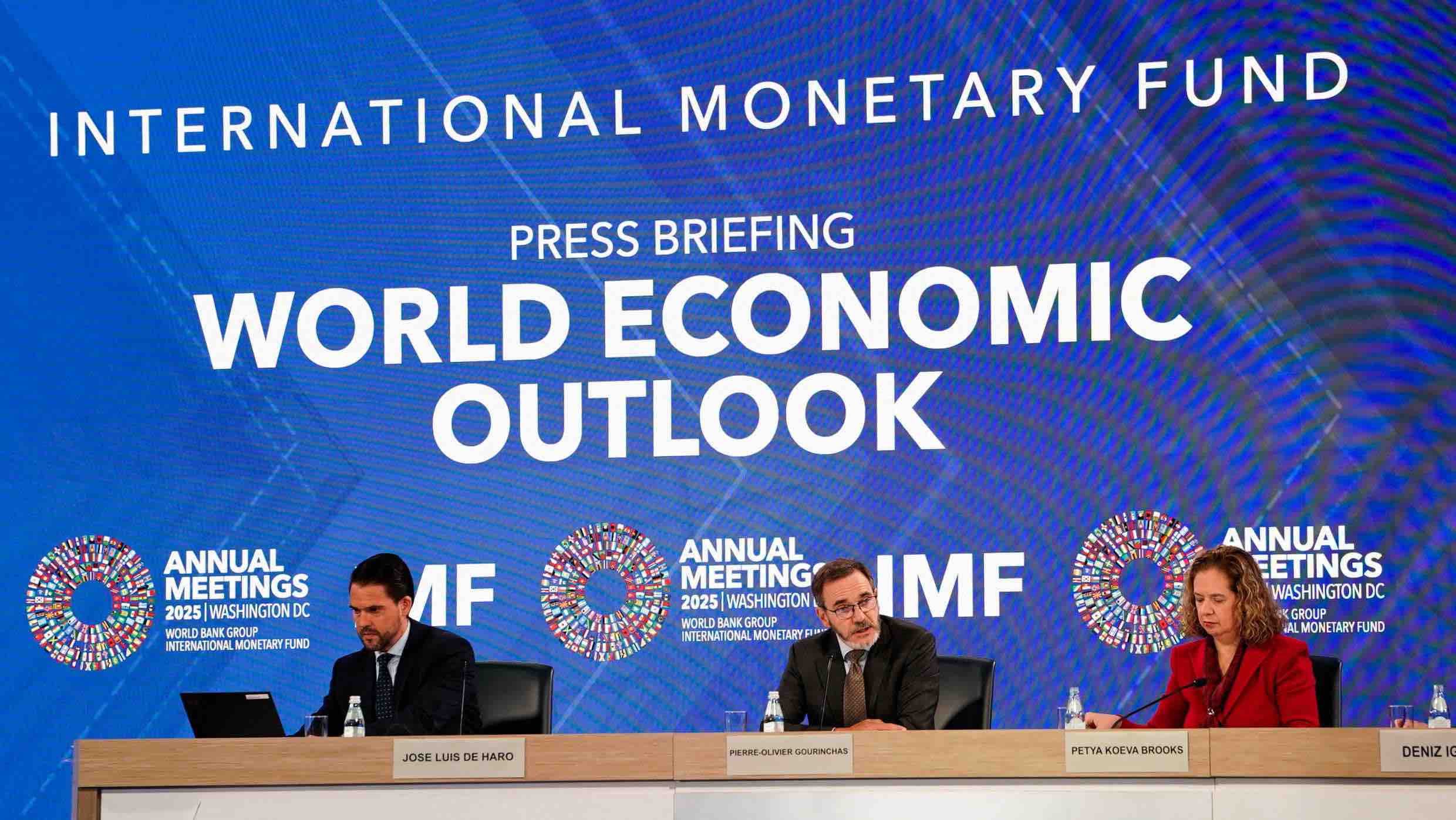
The International Monetary Fund (IMF), is set to publish its January 2026 World Economic Outlook (WEO), Update on Monday, January 19, 2026, offering fresh forecasts and analysis on the global economy’s trajectory. The release will be accompanied by a hybrid press conference hosted at the National Bank of Belgium in Brussels, where IMF economists will discuss the latest findings with journalists and stakeholders.
The World Economic Outlook series is one of the IMF’s flagship publications, widely watched by policymakers, investors, and analysts around the world.
Produced by IMF research teams, these reports provide comprehensive assessments of short- and medium-term global growth, inflation, trade, financial conditions, and major risks facing the international economy. The IMF typically issues a full WEO report twice a year — with “updates” between the main releases to reflect changing conditions, new data, and evolving risks.
What to Expect in the January 2026 Update
While the full details of the January 2026 outlook will only be known once the update is published, analysts and economists have identified several key themes that could shape the discussion:


1. Global Growth Prospects:
Recent IMF forecasts highlighted subdued growth in 2025 and 2026, with estimates indicating global GDP expanding at around 3.1–3.2%, a pace below the pre-pandemic average. This reflects lingering effects from elevated trade tensions, slower investment, and structural bottlenecks in several advanced and emerging economies.
2. Inflation and Monetary Policy:
Global inflation has been trending lower from its recent highs, but persistent price pressures in some regions — particularly in advanced economies — have complicated central bank policy decisions. How the IMF’s update incorporates recent inflation and interest rate trends will be closely watched.
3. Risks from Trade and Geopolitics:
Trade policy uncertainty, especially stemming from elevated tariff levels and geopolitical tensions, has been a recurring theme in recent IMF outlooks. The January update is likely to assess how these risks have evolved and what that means for investment, supply chains, and cross-border flows.
4. Regional Divergences:
Emerging market and developing economies have shown varied performance, with some regions — particularly parts of Asia and Africa — maintaining relatively strong momentum, while others contend with slower demand and tighter financing conditions.
The WEO update will likely explore these divergences and their implications for global economic balance.
Why the WEO Matters
The IMF’s WEO is one of the most influential economic forecasts globally. Governments, central banks, multilateral institutions, and market participants use its projections to guide policy decisions, shape monetary and fiscal strategies, and assess economic risks.
In developing economies — including in Africa, Asia, and Latin America — the WEO’s insights can influence everything from sovereign bond pricing to budget planning and investor confidence.
By providing updated growth, inflation, and trade forecasts, the January 2026 WEO will help clarify whether recent economic trends have strengthened or weakened since the IMF’s last comprehensive outlook. It will also set the stage for further assessments throughout 2026, including the IMF’s flagship spring reports and other major multilateral economic reviews.
Looking Ahead
The press briefing scheduled for January 19 will feature IMF Chief Economist, Pierre-Olivier Gourinchas, alongside other senior research officials, offering insight into the headline findings and answering questions from the media and economy watchers worldwide.
This event will be pivotal for those tracking shifts in global economic momentum and comparing them with private forecasts and national data.
As economies navigate post-pandemic recovery, inflation normalization, and persistent geopolitical tensions, the WEO update promises to provide critical context and guidance for the year ahead.