


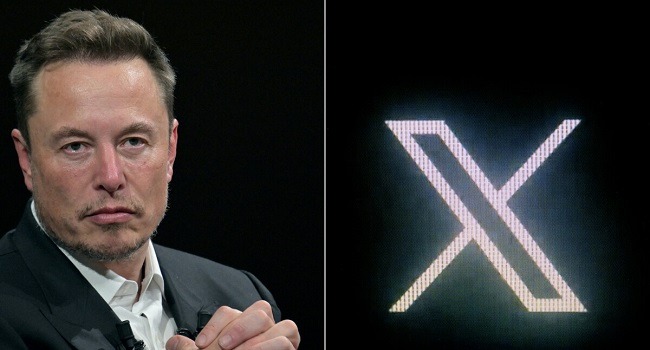
Social media platform X plans to appeal an Indian court order allowing over two million police officers to issue takedown requests via a secretive online portal called Sahyog.
“We will appeal this order to defend free expression,” X said in a post, after the High Court of Karnataka ruled there was no legal merit to the company’s challenge against India’s content removal mechanisms.
The Sahyog portal enables officers to order content removal based solely on allegations of illegality, without judicial review or due process for speakers. X argues this system threatens platforms with criminal liability for non-compliance. “The Sahyog enables officers to order content removal based solely on allegations of ‘illegality,’ without judicial review or due process for the speakers, and threatens platforms with criminal liability for non-compliance,” the platform stated.
X owner Elon Musk, a self-described free-speech absolutist, has clashed with authorities in several countries over compliance and content takedown demands. The company’s Indian lawsuit targeted the basis for tightened internet regulation in the world’s most populous nation. X has previously locked horns with New Delhi, equating the government’s mechanisms with censorship.


The Indian government, led by Prime Minister Narendra Modi, says the system tackles unlawful content and ensures online accountability. Modi’s government has ramped up internet policing since 2023, allowing more officials to file takedown orders and submit them directly to tech firms through a website launched in October.
The Karnataka High Court’s ruling emphasized that social media needs regulation, particularly in cases of offenses against women, to protect citizens’ constitutional right to dignity. The court stated that every sovereign nation regulates social media and India’s actions cannot be deemed unlawful.
X’s decision to appeal the court’s ruling highlights the ongoing tension between the platform and the Indian government. The outcome of this appeal could have significant implications for free speech and online regulation in India.
The Indian government’s efforts to regulate social media are supported by some tech companies, including Meta and Google, which argue that such measures are necessary to maintain social harmony and prevent the spread of hate and division.