


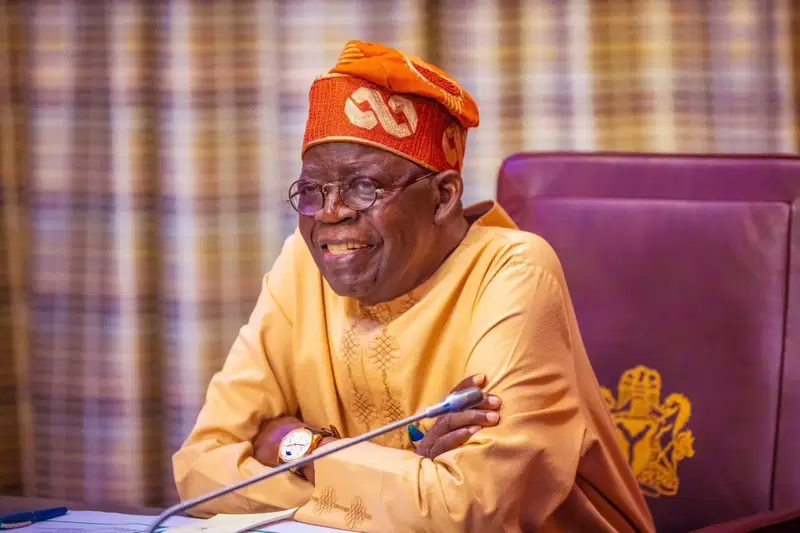
The National Economic Council (NEC) has approved President Bola Tinubu’s proposal to overhaul and modernize training institutions for security agencies across Nigeria.
The endorsement came during the council’s 152nd meeting held at the Presidential Villa in Abuja and chaired by Vice President Kashim Shettima.
According to reports, the proposal was presented by the Minister of Budget and Economic Planning, Senator Abubakar Atiku Bagudu, who explained that the initiative aligns with President Tinubu’s vision of achieving a trillion-dollar economy. He emphasized that investing in security and upgrading training infrastructure would enhance national stability and drive economic growth across all sectors.
A committee chaired by Enugu State Governor Peter Mbah was set up by NEC to oversee the revamp process. The team, which includes Governors Uba Sani of Kaduna, Dapo Abiodun of Ogun, Kefas Agbu of Taraba, Umoh Eno of Akwa Ibom, Dauda Lawal of Zamfara, and Abdullahi Sule of Nasarawa, has been given one month to produce a detailed blueprint for the rehabilitation and modernization of training facilities nationwide. Former Inspector General of Police Baba Usman will serve as the committee’s secretary.

President Tinubu, while addressing the council, underscored the need to improve the condition of police and security training institutions across the country. “We have to make the conditions of the training facilities more conducive for both the trainers and trainees,” he said, stressing that quality training is essential to achieving lasting security reform in Nigeria.
Vice President Shettima also urged state governments to focus on delivering results that would positively impact citizens’ lives. He stated, “The measure of government is not in speeches delivered; it is in the lives improved.” He encouraged governors to translate optimism into meaningful change within their respective states.
During the meeting, the Office of the National Security Adviser presented an “Anticipatory Action Framework for Riverine Flooding,” marking a shift towards proactive disaster management. In addition, Bagudu reiterated that Nigeria’s journey to a trillion-dollar economy would depend on better coordination between federal and state governments, as well as strategic investment in key sectors like security, infrastructure, and human capital.
