


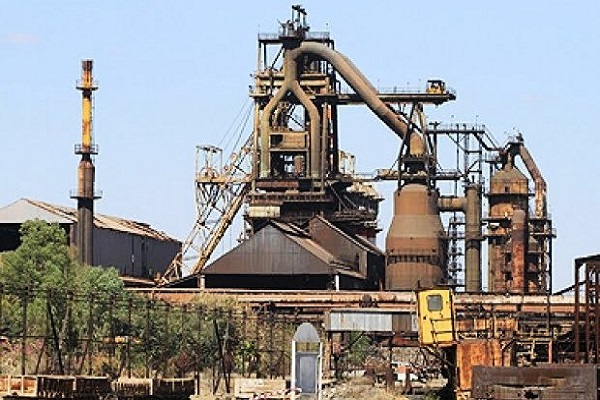
Nigeria Aims To Become Steel Powerhouse By 2030, Says President Tinubu.
President Bola Tinubu has unveiled an ambitious plan to transform Nigeria into a regional steel powerhouse by 2030, targeting an annual production of 10 million tonnes of liquid steel. The pledge, announced during the inaugural National Steel Summit in Abuja on 13 August, is part of a broader strategy to revitalise the nation’s steel industry, create over 500,000 jobs, and reduce reliance on imported steel, which currently accounts for over 90% of consumption.
Speaking through Vice President Kashim Shettima at the two-day summit themed “Rebuilding and Consolidating Nigeria’s Steel Industry: Collaborative Action for Sustainable Growth and Global Competitiveness,” Tinubu emphasised that steel is the backbone of industrialisation and economic diversification. He highlighted the creation of the Ministry of Steel Development in 2023 as a key step towards unlocking Nigeria’s vast mineral resources, including iron ore, limestone, and coal. “No nation has achieved true development without mastering steel,” he declared, noting that the sector’s revival is a national imperative.

The government has outlined a 10-year roadmap for the steel industry, alongside a specific three-year plan to operationalise the Ajaokuta Steel Company, a long-dormant project once envisioned as Nigeria’s industrial flagship. Efforts include a memorandum of understanding with Tyazhpromexport and its consortium to rehabilitate Ajaokuta and the National Iron Ore Mining Company in Itakpe, with additional proposals from Chinese investors under review. A $500 million project for five mini-LNG plants in Ajaokuta, in partnership with NNPC Limited, and a $400 million investment by Stellar Steel for a new plant in Ogun State were also announced.
Minister of Steel Development, Prince Shuaibu Abubakar Audu, underscored the sector’s potential to save Nigeria over $4 billion annually in steel imports and contribute to a $1 trillion economy by 2030. He revealed plans for an Ajaokuta industrial park with a free trade zone and military hardware production hub, alongside incentives like tax holidays and customs exemptions to attract investment. The ministry is also developing a national metals policy to strengthen the value chain.
Despite Nigeria’s abundant raw materials, including over three billion metric tonnes of iron ore, the absence of operational integrated steel plants has hindered progress. The government’s renewed focus, backed by regulatory reforms and private sector collaboration, aims to address these challenges. “We need the boldness of private investors, the innovation of our universities, and the patronage of our people,” Tinubu urged, calling for a collective effort to achieve self-sufficiency.
The summit, attended by industry leaders, policymakers, and stakeholders, has been hailed as a turning point for Nigeria’s steel ambitions, with social media posts reflecting optimism about the sector’s potential to drive economic growth.
