


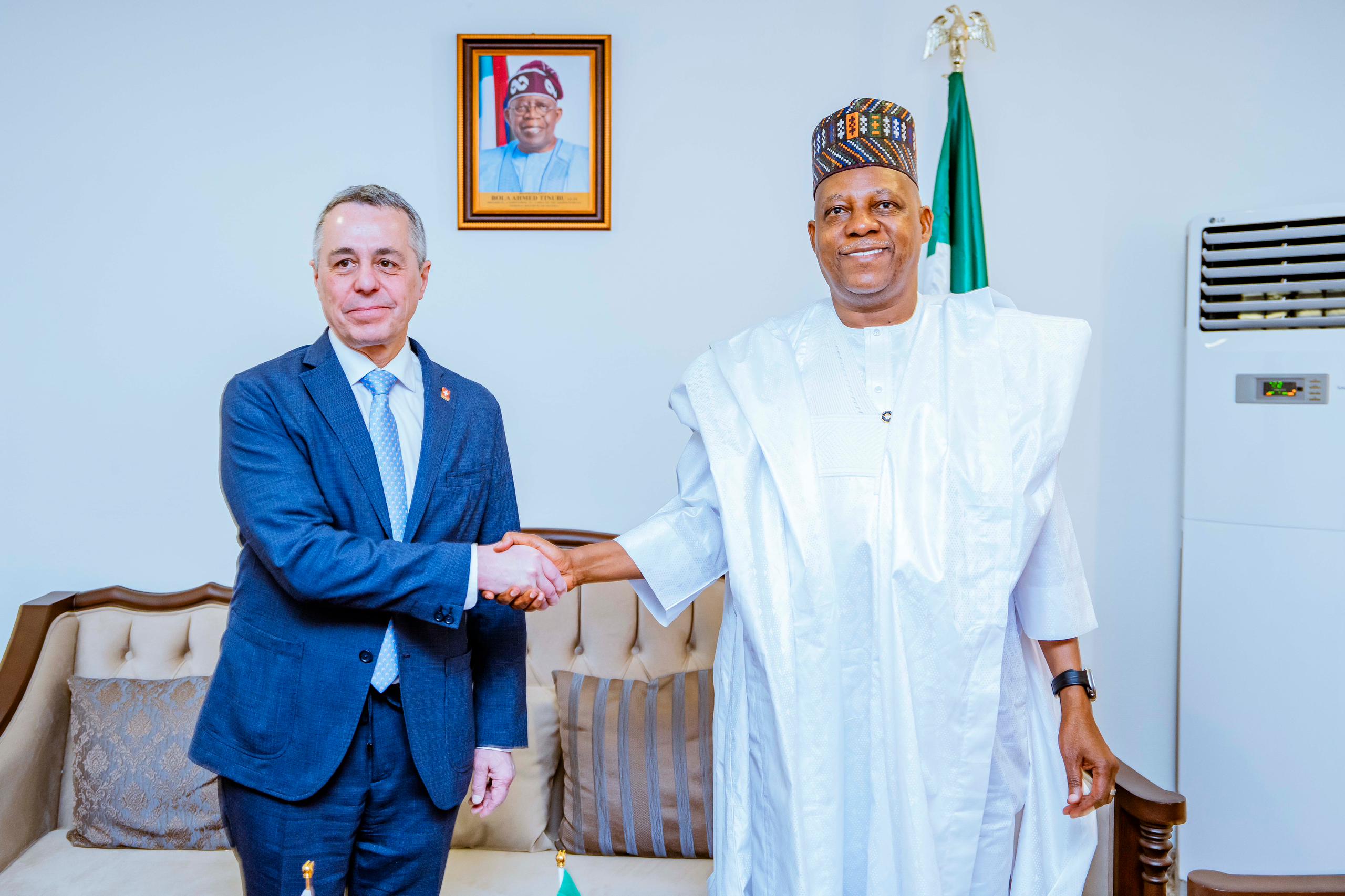
Nigeria and Switzerland have taken significant steps to deepen bilateral relationship, following a high-level meeting between Vice President, Kashim Shettima, and Switzerland’s Vice President and Foreign Minister, Ignazio Cassis. The discussions, held in Abuja, reflect a renewed commitment to cooperation across multiple sectors, including trade, security, migration, skills development, and cultural exchange.
A major highlight of the engagement is Switzerland’s agreement to return looted artefacts from the historic Benin Kingdom, marking a critical milestone in ongoing global restitution efforts.
Strengthening Bilateral Relations
The meeting reaffirmed the longstanding diplomatic relationship between Nigeria and Switzerland, which dates back to 1961.
Both countries expressed a shared interest in expanding cooperation through:
- Trade and economic partnerships
- Diplomatic collaboration
- Migration management
- Cultural exchange initiatives



Swiss Vice President Cassis emphasized the importance of exploring a potential free trade agreement between Nigeria and the African Continental Free Trade Area, African Continental Free Trade Area. Such an agreement could significantly enhance trade flows and economic integration.
Nigeria’s Minister of Foreign Affairs, Yusuf Tuggar, described the proposal as a “welcome development,” noting that it aligns with Nigeria’s broader economic goals.
Economic Cooperation and Skills Development
A key area of collaboration is vocational training and youth empowerment. Switzerland has committed to supporting skills acquisition initiatives in Nigeria, particularly through Swiss companies operating in the country.
These efforts aim to:
- Equip young Nigerians with employable skills
- Promote job creation
- Foster peaceful coexistence through economic opportunity
This initiative reflects Switzerland’s broader development strategy, which prioritises sustainable economic growth and social stability.
Security Cooperation in North-East Nigeria
Security concerns, particularly in North-East Nigeria, were central to the discussions. The region has faced prolonged instability due to insurgency and humanitarian challenges.
Vice President Cassis highlighted Switzerland’s role in supporting diplomatic and peace-building efforts aimed at addressing these conflicts.
This includes:
- Participation in international peace initiatives
- Support for conflict resolution mechanisms
- Collaboration with Nigerian authorities to stabilize the region
This partnership underscores the importance of international cooperation in tackling complex security threats.
Cultural Cooperation and Restitution of Artefacts
One of the most notable outcomes of the meeting is Switzerland’s agreement to return artefacts looted from the Benin Kingdom, commonly referred to as the Benin Bronzes.
These artefacts, taken during colonial expeditions, hold immense historical and cultural significance for Nigeria.
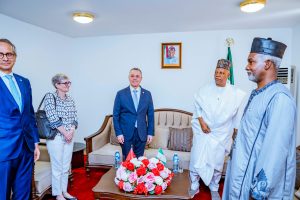

Their return represents:
- A step toward historical justice
- Strengthening of cultural diplomacy
- Recognition of Nigeria’s cultural heritage
The planned visit of Switzerland’s Minister of Culture to Nigeria is expected to further advance discussions on cultural collaboration and restitution.
Migration and Diplomatic Engagement
Migration was also discussed as part of the bilateral agenda, with both countries agreeing to maintain regular consultations to address related issues. This includes managing migration flows and enhancing cooperation on legal and institutional frameworks.
Additionally, Switzerland commended Nigeria’s consistent participation in the World Economic Forum, particularly the establishment of Nigeria House in Davos. This reflects Nigeria’s growing role in global economic discussions.
Swiss Delegation and Continued Engagement
The Swiss delegation included key officials such as:
- Ambassador Patricia Danzig (Swiss Agency for Development and Cooperation)
- Ambassador Philip Stalder (Head of Africa Division)
- Ambassador Tim Enderlin (Peace and Human Rights Division)
- Ambassador Patrick Egloff (Swiss Ambassador to Nigeria)
Following the Abuja meeting, Vice President Cassis is scheduled to visit Lagos to engage with private sector stakeholders, further emphasizing Switzerland’s interest in expanding economic ties.
Conclusion
The Nigeria–Switzerland meeting marks a significant step forward in bilateral relations, characterised by a comprehensive and forward-looking partnership. From economic cooperation and skills development to security support and cultural restitution, the agreements reached demonstrate a shared commitment to mutual growth and global collaboration.
The return of the Benin Bronzes stands out as a powerful symbol of reconciliation and respect for cultural heritage, while ongoing cooperation in trade and security signals a deepening alliance between both nations.