

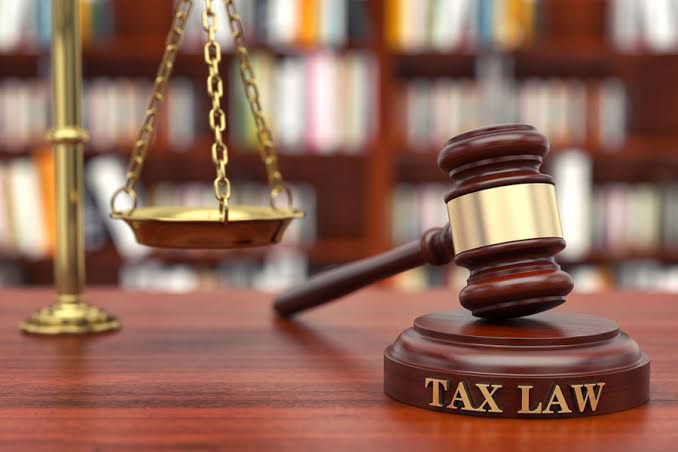
The federal government has postponed the rollout of its new tax law, including a controversial 5% fuel surcharge, until January 2026.
Officials explained that the move was necessary to ease the pressure of inflation and high living costs, which have stirred growing frustration among citizens. Analysts say the decision reflects not only economic realities but also the political pressure building against the Tinubu administration, as public patience with painful reforms continues to wear thin.

The delay is seen by many observers as a calculated political step. With state and national elections approaching in the coming years, the ruling party faces the challenge of balancing revenue generation with electoral goodwill. The government cannot afford to appear insensitive to the struggles of Nigerians, especially after fuel subsidy removal, currency devaluation, and rising utility costs have already weakened public confidence in its economic agenda.

For opposition parties, the postponed tax law provides fresh ammunition to criticize the administration, accusing it of poor planning and inconsistent policymaking. Meanwhile, businesses and civil society groups are urging the government to use the extra time to consult widely and design a tax framework that protects vulnerable households. Whether this delay will restore trust or deepen skepticism remains to be seen—but politically, it underscores the fragile line the government must walk in the months ahead.
