


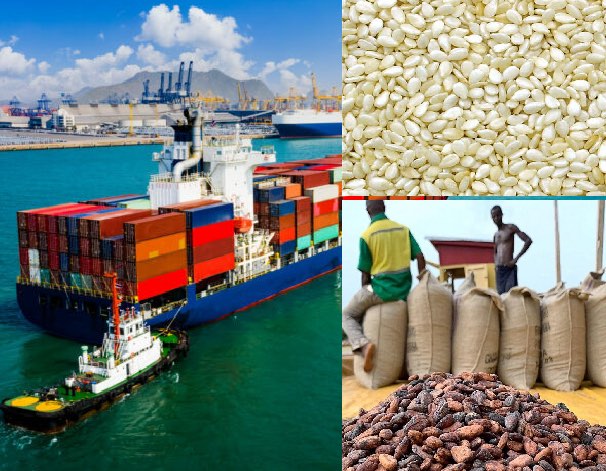
The Federal Government’s plan to identify at least one exportable product in each of Nigeria’s 774 local governments by 2026 is a bold attempt to move trade policy from conference halls to communities. At a time when oil revenues are unreliable, the idea that every part of Nigeria should produce something competitive for the African market is both strategic and overdue.
From Abuja to the Grassroots
For too long, export discussions have been dominated by federal agencies and big cities. This initiative flips the script by recognising that economic potential exists in villages, towns, and semi-urban centres across the country.
From agriculture to processing and light manufacturing, local governments hold untapped value that can power our non-oil export growth if properly harnessed.
The plan which was revealed by the Minister of Industry, Trade and Investment, Jumoke Oduwole, during the release of Nigeria’s AfCFTA Achievements Report for 2025, which also laid out the country’s trade priorities for 2026.


According to the Minister, the FG will work with state governments and local authorities to identify products with real export potential, whether in agriculture, manufacturing, processing, or other value-adding sectors and help position them for the African market.
Opportunity Must Be Backed by Action
Identifying products is only the first step. Without reliable infrastructure, access to finance, credible data, and clear export guidelines, the scheme risks becoming another well-meaning policy that fails at execution.
President Tinubu-led government’s promise of stronger coordination, better trade data, and nationwide sensitisation must translate into real support for producers on the ground.
Jobs, Growth, and Inclusion
If implemented correctly, the impact could be transformative. Local production would expand, jobs would be created, and value chains would deepen. More importantly, economic participation would no longer be limited to a few regions. AfCFTA would become a tool for inclusive growth rather than an elite trade arrangement.
Nigeria’s Chance to Lead Africa’s Trade Future
Nigeria’s progress under AfCFTA, including publishing Africa’s first five-year implementation review, shows growing seriousness about continental trade leadership. The “one local government, one exportable product” vision could turn that leadership into tangible results—making AfCFTA local, practical, and profitable.
Execution Will Decide the Legacy
Ultimately, this initiative will be judged not by announcements but by outcomes. If followed through with discipline and sustained political will, it could redefine Nigeria’s export landscape. If not, it risks joining the long list of ambitious ideas that never reached the people they were meant to serve.