


Nigeria Plans Salary Review For Political Office Holders Amid Economic Pressures.
The Revenue Mobilisation Allocation and Fiscal Commission (RMAFC) has announced intentions to reassess the salaries of Nigeria’s political office holders, citing current pay as insufficient and outdated given the increasing responsibilities and economic difficulties faced by the nation. The statement, made during a press briefing in Abuja on Monday, has sparked widespread discussion about governance costs and economic inequality.
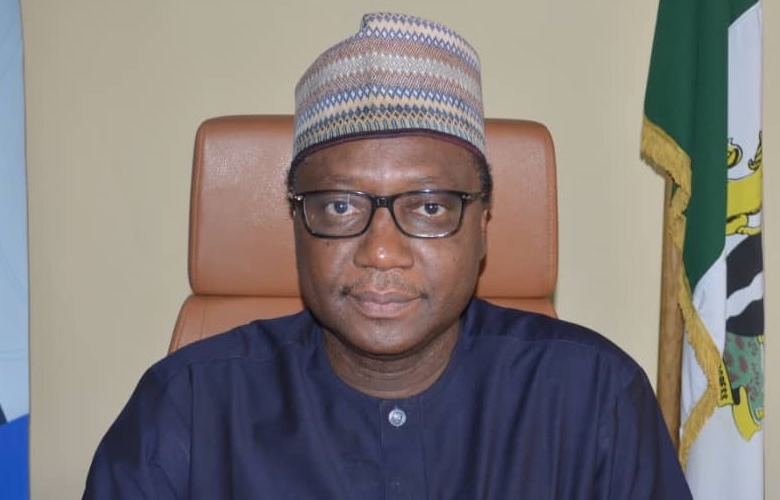
RMAFC Chairman Mohammed Shehu revealed that President Bola Tinubu currently earns N1.5 million monthly, while ministers receive less than N1 million—figures unchanged since 2008. “Paying the President of Nigeria N1.5 million a month, with a population of over 200 million, is seen as unrealistic by many,” Shehu remarked, highlighting the disparity between these salaries and the rising cost of living. He noted that some agency heads, such as the Central Bank of Nigeria’s governor, earn significantly more, underscoring the need for a review to ensure fair and realistic remuneration.


The proposed salary adjustment has met with mixed reactions. The Nigeria Labour Congress (NLC) has strongly opposed the plan, arguing that it exacerbates the country’s growing income inequality. An NLC official, speaking anonymously to local media, pointed out that while official salaries may appear modest, hidden allowances—covering medical care, housing, security, and travel—can inflate total earnings to over N100 million for some officials. The NLC stressed that these perks, often undisclosed, are the real issue, not the base salaries.
Shehu clarified that the RMAFC’s constitutional mandate is limited to setting salaries for political, judicial, and legislative office holders, not civil servants. He argued that updating remuneration to reflect current economic realities could improve accountability and reduce corruption. “You cannot expect a minister earning less than N1 million since 2008 to perform optimally without seeking other means,” he said, urging public support for the review.
In addition to the salary overhaul, the RMAFC has begun reviewing Nigeria’s revenue allocation formula, unchanged since 1992. The current formula allocates 52.68% of federally collected revenue to the federal government, 26.72% to states, and 20.60% to local governments, with 4.18% reserved for special funds. Shehu stated that the review aims to address evolving socio-economic and political realities, with indications that states may receive a higher share to support infrastructure and development projects. A previous attempt in 2022 to adjust the formula—proposing 45.17% for the federal government, 29.79% for states, and 21.04% for local governments—was not implemented under the Buhari administration.
Public sentiment, as reflected in recent online discussions, is largely critical. Many Nigerians argue that increasing political salaries is insensitive amid widespread economic hardship, with the national minimum wage at N70,000 and university professors earning less than N400,000 monthly. The NLC warned that prioritising politicians’ pay over broader economic reforms risks further eroding public trust.
The RMAFC’s proposals require presidential approval and legislative action before implementation. As debates continue, the commission has called for stakeholders to engage constructively to balance fair remuneration with Nigeria’s pressing economic challenges.