


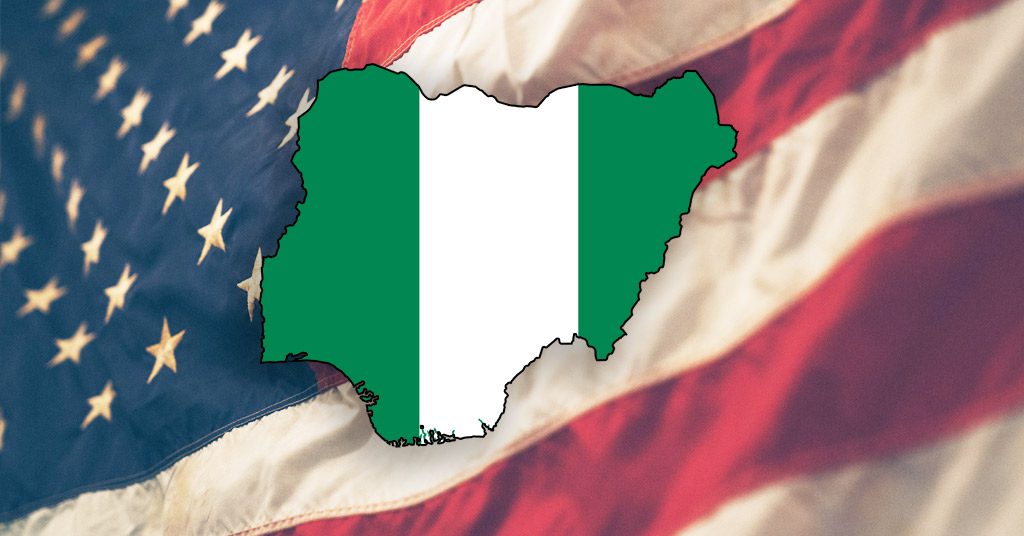
On January 14, 2026, the U.S. Department of State announced a sweeping suspension of immigrant visa processing for nationals of 75 countries, including Nigeria. The directive — effective January 21, 2026 — instructs U.S. embassies and consulates worldwide to stop issuing immigrant visas to citizens of those countries while a broad review of screening and vetting procedures is conducted.
This policy affects countries across Africa, Asia, the Middle East, Europe, and Latin America, including major nations like Nigeria, a key nation in Africa, and Russia.
This change is particularly significant for Nigerians, as Nigeria is a key nation in Africa that has been affected by this policy.
Which Countries Are Affected?
While the full government list has not yet been officially published, multiple reports cite the following among the 75 impacted nations:


-
Nigeria (Africa)
-
Russia (Europe/Asia)
-
Somalia, Iran, Afghanistan, Brazil, Thailand, Egypt, Iraq, Yemen (and many others across all regions)
A provisional list compiled from sources shows countries spanning every inhabited continent, from Albania and Bangladesh to Sierra Leone and Uzbekistan.
What Types of Visas Are Affected?
The suspension primarily impacts immigrant visas — those for people seeking to live permanently in the U.S. via family reunification, work-based green cards, or other long-term immigration pathways.
According to multiple reports:
-
Non-immigrant visas (e.g., tourist, business, student visas), are not necessarily covered under this suspension.
-
The pause could also affect pending visa and immigration benefit applications at the stage of adjudication.
U.S. Government Rationale: “Public Charge” and Vetting Review
U.S. officials frame the suspension as part of a heightened immigration screening regime under longstanding legal authorities:
“Public Charge” Rule Enforcement
The policy is tied to stricter enforcement of the “public charge” provision of U.S. immigration law — a criterion that allows consular officers to deny visas to individuals deemed likely to become dependent on public welfare or government assistance.
Under updated guidance circulated in November 2025, officers are instructed to weigh factors such as:
-
Age and health
-
English proficiency
-
Financial resources and employment prospects
-
Potential need for long-term care
Officials argue this expanded evaluation is intended “to prevent the entry of foreign nationals who may become a public burden.”
Review of Screening and Vetting Procedures
The suspension gives consular staff time to reassess existing vetting procedures. During this review, new applications are expected to be refused under current law, and no timeline for ending the suspension has been announced.
Why Nigeria and Russia Are Included
Nigeria
Nigeria’s inclusion places it among several African states now subject to the pause. Although representatives from Nigeria have not been singled out for specific allegations, the move affects thousands of Nigerians who annually seek U.S. visas for study, work, tourism, and family reunification.
Russia
Russia’s presence on the list highlights that the suspension is not limited to lower-income countries. It also affects applicants from major geopolitical players, adding a complicated dimension to U.S.-Russia relations.
Overall, the affected countries include a mix of developing states and strategic competitors, suggesting multiple policy drivers beyond purely economic classification.
Practical Impacts
On Travelers and Immigrants
-
Individuals planning to relocate to the U.S. from the affected nations will likely face indefinite delays in visa interviews and approvals.
-
Pending cases — including green card and asylum applications — may be held or re-reviewed.
-
Some prospective immigrants might see already approved benefits reassessed, potentially complicating long-term plans.
Economic and Social Effects
The policy could impact labor mobility, academic exchanges, family reunification efforts, and remittance flows from diasporas in affected countries. While exact figures are not yet available, these disruptions are expected to be significant given the large number of nations and populations involved.
International and Domestic Reactions
Government Responses
At this early stage, official comments from affected governments — including Nigeria and Russia — have been limited or are still emerging. However, experts predict diplomatic pushback, especially from nations with strong economic and human ties to the U.S.
Critics’ Concerns
Immigration advocates and legal analysts argue that the suspension could:
-
Undermine family unity by blocking long-awaited visa processing
-
Disrupt educational opportunities for international students
-
Exacerbate diplomatic tensions with allies and partners
-
Potentially discriminate against citizens of specific regions under a broad-brush policy
Looking Ahead
At the moment:
-
The suspension is indefinite with no stated end date.
-
It reflects the broader direction of U.S. immigration policy under the current administration’s focus on stricter border control and vetting standards.
-
Individuals and families affected are advised to monitor official U.S. government communications and consult with immigration professionals for case-specific guidance.