

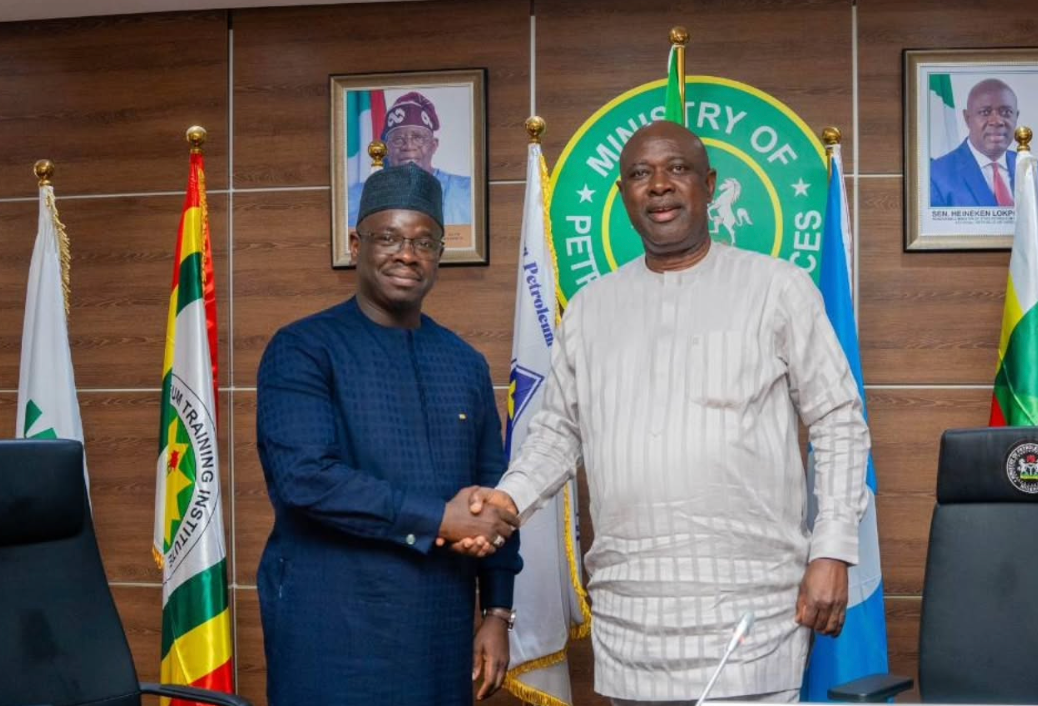
A high-level diplomatic and technical engagement between Nigeria and Senegal marks a significant shift toward stronger intra-African cooperation in the energy sector. The visit by Senegal’s Energy Minister, Birame Soulèye Diop, and executives from Petrosen to Abuja signals a shared strategic vision centered on collaboration rather than competition.
Engagements with Nigeria’s Minister of State for Petroleum Resources, Heineken Lokpobiri and the Nigerian National Petroleum Company highlight a growing alignment between two of West Africa’s most important hydrocarbon players.
Strategic Context: Why This Partnership Matters
Africa’s energy sector is undergoing a structural transformation driven by:
- The need to attract foreign investment
- Infrastructure deficits across refining and gas
- Rising demand for energy security and industrialisation
- The push for intra-African trade under regional frameworks
Organisations like the African Energy Chamber have emphasized that partnerships such as this are critical to unlocking long-term growth.
This collaboration also aligns with broader continental efforts, including the operationalisation of the Africa Energy Bank, which aims to finance strategic oil and gas projects across Africa.

Key Areas of Cooperation
Refining and Downstream Integration
Nigeria’s refining ambitions—anchored by the Dangote Refinery—present opportunities for Senegal to:
- Access refined petroleum products
- Share refining expertise
- Reduce dependency on imports
Joint refining initiatives could foster regional supply chains and stabilise fuel availability across West Africa.
Gas Monetisation and LNG Development
Gas commercialisation is central to both countries’ strategies.
Senegal’s progress in LNG is driven by:
- The Greater Tortue Ahmeyim LNG project
- Increasing exports of LNG and condensates
Nigeria complements this with:
- Extensive gas reserves
- Flare gas commercialisation programs
- Investment incentives for gas infrastructure
Cooperation could accelerate:
- LNG export capacity
- Regional gas pipelines
- Power generation projects
Upstream Collaboration and Investment
Both countries are expanding upstream exploration:
Nigeria:
- 2025 licensing round offering 50+ blocks
- Target of $10 billion in upstream investment
- Engagement with major international oil companies such as:
- Chevron
- ExxonMobil
- Shell
Senegal:
- Sangomar oilfield producing ~100,000 bpd
- New exploration campaigns targeting onshore basins
- Development of Yakaar-Teranga project
This creates room for:
- Joint ventures
- Shared technical expertise
- Coordinated exploration strategies
Policy Development and Institutional Strengthening
Nigeria’s long-standing experience in petroleum regulation provides a model for Senegal as it:
- Scales production
- Improves licensing frameworks
- Enhances investor confidence
Knowledge-sharing between Petrosen and Nigerian National Petroleum Company is expected to:
- Strengthen governance structures
- Improve operational efficiency
- Accelerate project execution timelines
Economic and Industrial Implications
Boosting Intra-African Energy Trade
This partnership supports:
- Cross-border crude and refined product trade
- Regional energy integration
- Reduced reliance on imports from outside Africa
Attracting Capital and Financing
With Senegal already contributing to the Africa Energy Bank, the collaboration:
- Enhances investor confidence
- De-risks projects through regional cooperation
- Facilitates access to funding for infrastructure
Industrialisation and Job Creation
Energy cooperation can catalyse:
- Petrochemical industries
- Manufacturing growth
- Employment across the value chain
Nigeria’s Energy Expansion Strategy
As Africa’s largest oil producer, Nigeria is pursuing:
- Production target of 2 million bpd
- Expansion of refining capacity (Dangote Refinery scaling plans)
- $30 billion upstream investment target by 2030
- Gas monetisation initiatives worth $2 billion
Senegal’s Rising Energy Profile
Senegal has rapidly transitioned into a key emerging producer:
- Stable production at Sangomar (100,000 bpd)
- 36.1 million barrels produced in 2025
- LNG exports from GTA project
- Ongoing exploration with a $100 million campaign
These developments position Senegal as:
- A high-growth hydrocarbon market
- A strategic partner for established producers like Nigeria
Collaboration with Senegal reinforces Nigeria’s role as:
- A regional energy hub
- A leader in African energy integration
Broader Implications for Africa
The Senegal–Nigeria partnership reflects a wider continental shift:
From Competition to Collaboration
Historically competitive producers are now:
- Sharing resources and expertise
- Aligning policies
- Coordinating investments
Toward Energy Sovereignty
Stronger intra-African cooperation enables:
- Greater control over natural resources
- Reduced dependence on foreign intermediaries
- Improved resilience against global energy shocks
Conclusion
The deepening energy ties between Nigeria and Senegal represent more than a bilateral agreement—they signal a paradigm shift in Africa’s energy landscape.
By focusing on refining, gas monetisation, upstream collaboration, and policy alignment, both nations are laying the foundation for:
- Sustainable economic growth
- Regional energy security
- Increased global competitiveness
If successfully implemented, this partnership could serve as a blueprint for pan-African energy cooperation, accelerating the continent’s journey toward industrialisation and energy independence.
