


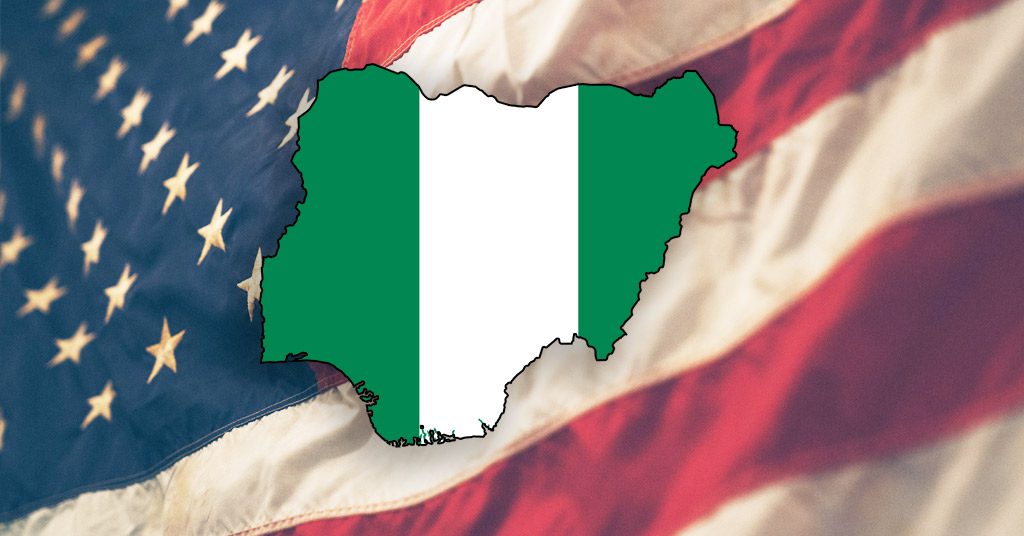
In a notable escalation of military cooperation between Nigeria and the United States, Washington has announced the deployment of approximately 200 U.S. military personnel to Nigeria. This decision, confirmed by U.S. and Nigerian officials on 11 February 2026, marks a significant deepening of bilateral efforts to confront long-standing security threats posed by Islamist insurgencies and other armed groups in West Africa.
Purpose of the Deployment
Contrary to some speculation, the U.S. has stated that the forces being sent are not intended to engage in combat operations. Instead, the primary mission of the troops will be to:
-
Train and advise elements of the Nigerian Armed Forces.
-
Provide technical guidance to help Nigerian troops coordinate highly complex operations involving both air strikes and ground maneuvers.
-
Enhance intelligence sharing and operational support between the two countries’ forces.

U.S. Africa Command and Nigerian officials have emphasized that these troops will supplement a small team already present in Nigeria, which has been involved in advisory roles and coordination support since late 2025.
Context: Rising Violence and Regional Threats
Nigeria has been grappling with a multi-front security crisis for more than a decade. Islamist insurgent groups, notably Boko Haram and the Islamic State West Africa Province (ISWAP), have carried out persistent attacks against both military and civilian targets, especially in the northern and central regions of the country.
While Boko Haram’s insurgency began in 2009, recent years have seen a troubling spread of violence into northwest states and central farming communities, with armed “bandit” groups and other militias compounding the challenge. Attacks have killed hundreds, displaced communities, and strained Nigeria’s security forces.
These threats have attracted international attention. In December 2025, the U.S. military, in coordination with Nigerian authorities, conducted missile strikes against alleged Islamic State targets in northwest Nigeria—a rare direct U.S. military action on Nigerian soil.
Diplomatic Backdrop: Shared Goals and Tensions
The decision to expand the U.S. military presence in Nigeria reflects growing security cooperation between Abuja and Washington. High-level discussions—such as a visit by U.S. Africa Command Commander, General Dagvin Anderson to Abuja—helped pave the way for closer coordination on counterterrorism strategy.
However, the relationship has not been without diplomatic tensions. The Trump administration has been vocal in its criticism of the Nigerian government’s handling of internal violence, with some U.S. officials framing it as a failure to protect religious minorities. President Tinubu-led government has firmly rejected accusations that its security operations target any specific religious group, stressing that its forces combat insurgents without discrimination.
Despite these disagreements, both governments have found common ground in the belief that stronger military cooperation will benefit regional stability and curb the spread of extremist networks that also threaten neighbouring countries and potentially spill over into the Sahel.
Operational Limits and Sovereignty Concerns
Official statements from Nigeria’s Defence Headquarters and U.S. Africa Command stress that the U.S. troop deployment is limited to advisory, training, and intelligence support roles. Nigerian authorities have reiterated that all operations will remain under Nigerian command and control, reinforcing national sovereignty.
Some analysts and civil society voices within Nigeria, however, have raised concerns about the implications of foreign troops on Nigerian soil, urging caution in balancing security needs with national autonomy.
What Happens Next?
The 200 U.S. troops are expected to arrive in Nigeria in the coming weeks, with planning and preparatory work already underway, though specific timelines and locations have not been publicly disclosed. Their presence will likely be centered around training centers and areas where coordination with Nigerian forces is most needed.
This move underscores a broader shift in how international partners—including the U.S.—approach security cooperation in Africa: prioritising capacity building and intelligence coordination over direct combat, while responding to increasingly complex and fluid insurgent threats.
