

Nigerian Government Launches New Curricula To Transform Basic, Secondary, And Technical Education.
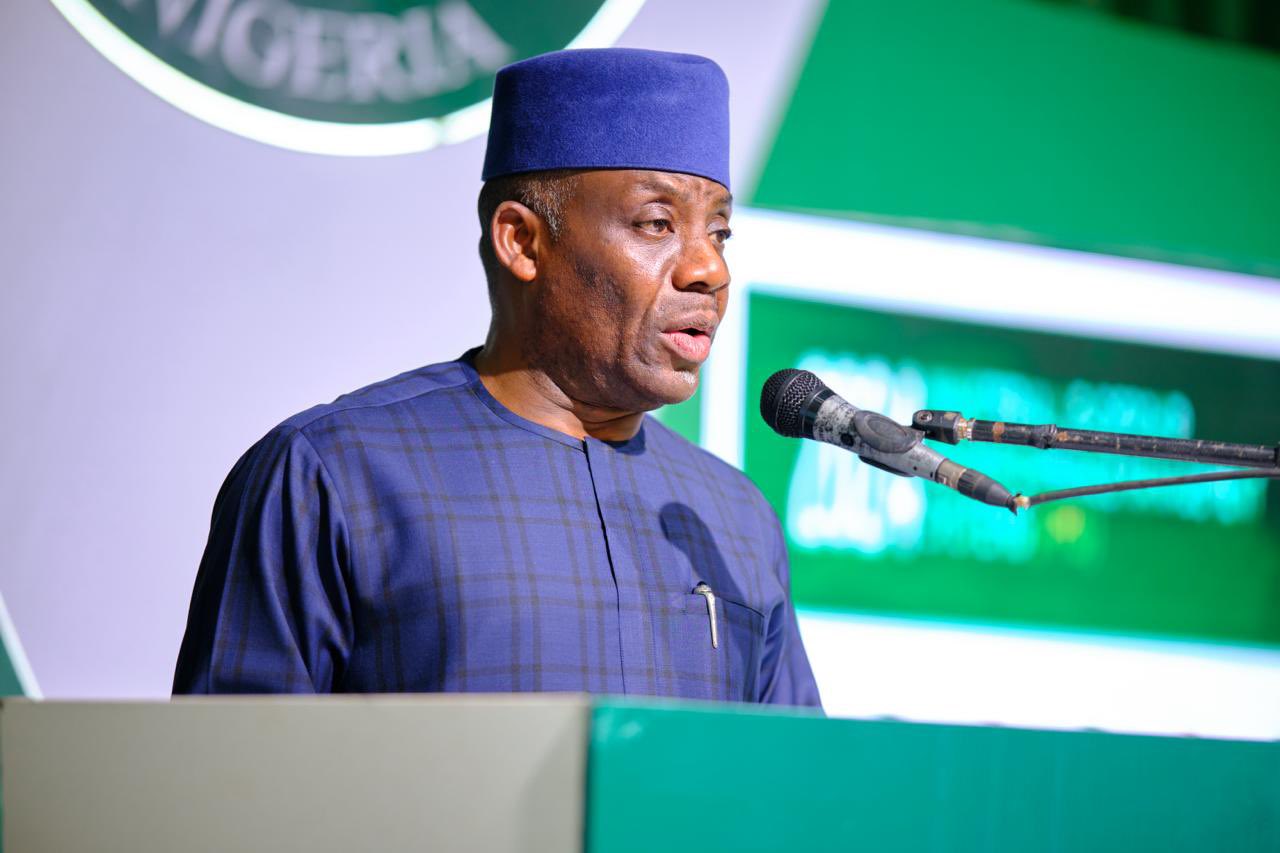
The Nigerian Federal Government has introduced a sweeping overhaul of the national curricula for basic, senior secondary, and technical education, set to take effect from the 2025/2026 academic session. Announced by the Minister of State for Education, Professor Suwaiba Sai’d Ahmad, on behalf of the Minister of Education, Dr Maruf Tunji Alausa, the new framework aims to reduce curriculum overload, deepen practical learning, and equip students with skills relevant to today’s global demands.
The comprehensive review was conducted in collaboration with key stakeholders, including the Nigerian Educational Research and Development Council (NERDC), Universal Basic Education Commission (UBEC), National Senior Secondary Education Commission (NSSEC), and the National Board for Technical Education (NBTE). Professor Ahmad explained that the revised curricula prioritise quality over quantity, balancing subject offerings with hands-on, practical learning. “This reform is about ensuring education is relevant, practical, and responsive to the needs of a rapidly changing world,” she said.

Under the new structure, primary school pupils in Primary 1–3 will study 9–10 subjects, while those in Primary 4–6 will take 10–12. Junior Secondary School students will engage with 12–14 subjects, including core areas such as English Language, Mathematics, Basic Science and Technology, and Nigerian languages. Senior Secondary students will focus on 8–9 subjects, covering essentials like Civic Education, Humanities, and Trade/Entrepreneurship Studies, while technical schools will offer 9–11 subjects tailored to vocational skills. The inclusion of 17 new trades, such as hairstyling, plumbing, and digital literacy, reflects a commitment to bridging the gap between education and employability.
The reform addresses long-standing concerns about curriculum overload, which experts have argued leaves students with insufficient time for deep learning. The last major review of the secondary school curriculum occurred in 2011, and the basic education curriculum was updated in 2014. Recent efforts, including the introduction of 15 new trade subjects in January 2025, have focused on practical skills like solar installation and garment-making to enhance graduate employability. Professor Ahmad emphasised that the new framework builds on these reforms, ensuring students are better prepared for the workforce or entrepreneurship.
The Ministry of Education has pledged rigorous monitoring to ensure smooth implementation across schools nationwide. Stakeholders, including the NERDC and UBEC, have been commended for their collaborative efforts in crafting a future-ready curriculum. However, the Nigeria Union of Teachers (NUT) has raised concerns about funding, with President Audu Amba arguing that inadequate infrastructure and resources could undermine the reforms. Despite these challenges, the government remains optimistic, viewing the curriculum overhaul as a critical step towards aligning Nigeria’s education system with global standards.
This ambitious reform signals Nigeria’s determination to create a more functional and holistic education system. By prioritising practical skills and reducing academic pressure, the government aims to empower students to thrive in a competitive world, fostering innovation, entrepreneurship, and economic growth.
