

Close Menu
Fishe News
  • Home
  • Entertainment
  • National
  • International
  • Tech
  • Politics
  • Sports
  • PMNI
  • More
    • Business
    • Culture
    • Education
    • History
    • Health
  • Featured
    • Fishe Travel
    • Fishe Media
    • Fishe TV
Facebook X (Twitter) Instagram
Trending
  • Framework For The Establishment Of Federal And State Police Services In Nigeria
  • The Trials Of Leadership In National Security: Lessons, Challenges, And Enduring Solutions From Nigeria, Africa, And The Global Arena — Tolulope A. Adegoke, PhD
  • President Tinubu Launches Presidential Task Force On Ebola Preparedness
  • The Hamzat Paradox: Continuity, Change, And The 2027 Lagos Gamble
  • ProvidusUnity Bank Emerges As Supreme Court Approves Landmark Unity Bank–Providus Bank Merger
  • United States Sanctions Armed Group Leaders In Eastern Democratic Republic Of The Congo
  • Airtel, Glo Resume Airtime Lending After Court Halts FCCPC Enforcement
  • Leadership In Africa: Forging A New Era Of Self-Reliance, Unity, And Global Relevance – Pt. 3 — Tolulope A. Adegoke, PhD
X (Twitter) Instagram
Fishe NewsFishe News
Subscribe
Sunday, June 14
  • Home
  • Entertainment
  • National
  • International
  • Tech
  • Politics
  • Sports
  • PMNI
  • More
    • Business
    • Culture
    • Education
    • History
    • Health
  • Featured
    • Fishe Travel
    • Fishe Media
    • Fishe TV
Fishe News
Home»Education

Nigerian Government Sets 16 As Minimum Age For Tertiary Institution Entry

Adejuyigbe FrancisBy Adejuyigbe FrancisJuly 8, 2025 Education No Comments3 Mins Read
Share Facebook Twitter LinkedIn Email WhatsApp

Nigerian Government Sets 16 As Minimum Age For Tertiary Institution Entry.

The Federal Government of Nigeria has officially established 16 years as the minimum age for admission into tertiary institutions, a significant policy shift aimed at standardising the education system. This decision, announced by the Joint Admissions and Matriculation Board (JAMB), will take effect from the 2024 academic year, allowing candidates who are 16 years old to be considered for admission. However, the policy will transition to a minimum age of 18 starting from the 2025/2026 academic session.


This development follows extensive consultations with stakeholders during JAMB’s annual Policy Meeting, where critical guidelines for the 2025/2026 academic year were set. The decision to temporarily allow 16-year-olds for the 2024 academic year reflects a pragmatic approach to balancing educational access with the need to align Nigeria’s tertiary admission policies with global standards. JAMB emphasized that the move is part of broader efforts to ensure equitable and transparent admission processes across universities, polytechnics, and colleges of education.



Education stakeholders have welcomed the announcement, noting its potential to address concerns about the preparedness of younger students for higher education. “This is a step towards ensuring that students entering tertiary institutions are mature enough to handle the academic and social demands,” said Dr. Aisha Mohammed, a lecturer at the University of Lagos. She added that the phased transition to 18 years by 2025 demonstrates the government’s commitment to long-term educational reform.


The policy also aligns with ongoing efforts to address Nigeria’s learning crisis, which has seen millions of children out of school. By setting a clear age benchmark, the government aims to streamline the progression from secondary to tertiary education, ensuring students complete the mandatory 9-3-4 education structure—nine years of basic education, three years of senior secondary, and four years for a bachelor’s degree—before pursuing higher education.


However, some parents and educators have expressed concerns about the immediate implications for younger students who may be academically ready but fall short of the age requirement. The National Association of Nigerian Students (NANS) has called for clear communication and support mechanisms to guide affected candidates, particularly those in the Federal Capital Territory, where access to tertiary institutions remains limited.


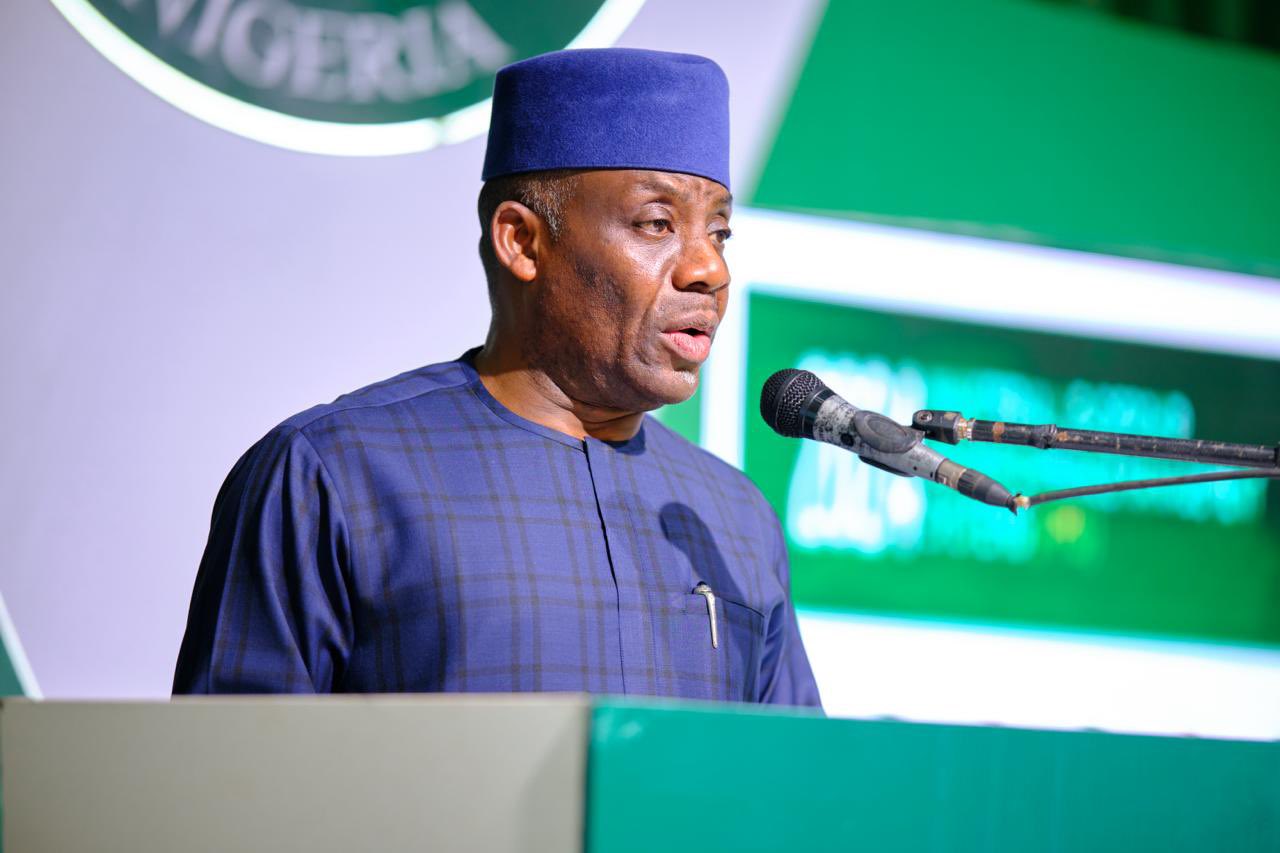
The Minister of Education, Dr. Tunji Alausa, reiterated the government’s commitment to improving access to quality education while ensuring policies reflect the needs of a rapidly evolving global economy. “This age policy is not just about entry; it’s about preparing our youths to compete effectively,” he said during a recent address in Abuja.


As Nigeria continues to reform its education sector, the new age policy is expected to spark further discussions on curriculum updates, teacher training, and infrastructure development to support the growing youth population. With approximately 70% of Nigeria’s population under 30, such measures are critical to harnessing the country’s demographic potential.


The government has urged candidates, parents, and institutions to stay informed through official JAMB channels as the 2024 admission cycle begins, ensuring a smooth transition to the new policy framework.

Education Entry Nigerian Government Official Age Students Tertiary Institutions
Share. Facebook Twitter LinkedIn WhatsApp
Adejuyigbe Francis
  • Website

Thought Leader, Idea Bank, Nation Builder.

Keep Reading

Framework For The Establishment Of Federal And State Police Services In Nigeria

The Trials Of Leadership In National Security: Lessons, Challenges, And Enduring Solutions From Nigeria, Africa, And The Global Arena — Tolulope A. Adegoke, PhD

President Tinubu Launches Presidential Task Force On Ebola Preparedness

The Hamzat Paradox: Continuity, Change, And The 2027 Lagos Gamble

ProvidusUnity Bank Emerges As Supreme Court Approves Landmark Unity Bank–Providus Bank Merger

United States Sanctions Armed Group Leaders In Eastern Democratic Republic Of The Congo

Add A Comment

Comments are closed.

Here is spotlighting many benefits of journeying with either Lagos State’s Blueline or Redline rails for a hassle-free day, week, month and year. Thank God for the Igbega Eko. Together we rise.
https://youtu.be/V67GV8wgyjw

Latest Posts

  • Framework For The Establishment Of Federal And State Police Services In Nigeria
  • The Trials Of Leadership In National Security: Lessons, Challenges, And Enduring Solutions From Nigeria, Africa, And The Global Arena — Tolulope A. Adegoke, PhD
  • President Tinubu Launches Presidential Task Force On Ebola Preparedness
  • The Hamzat Paradox: Continuity, Change, And The 2027 Lagos Gamble
  • ProvidusUnity Bank Emerges As Supreme Court Approves Landmark Unity Bank–Providus Bank Merger
Featured
About Fishe

FISHE was founded with the goal of helping clients thrive in today’s highly competitive marketing environment. While other companies rush to abandon traditional marketing in favour of digital techniques, we’ve bolstered our offline marketing capabilities while also equipping our team with seasoned professional knowledge to support our clients’ digital needs.

Through creative designs, we enhance our clients’ products and services the right way that would attract their target audience, thus, making the perception of their company a reality.

  • LTV 8, Agidingbi Road, Alausa, Ikeja, Lagos.
  • +234 806 003 7277
  • info@gofishe.com
FISHE, Your Best Plug For Bus Stop Shelter Ad

LATEST POSTS

Framework For The Establishment Of Federal And State Police Services In Nigeria

June 11, 2026

The Trials Of Leadership In National Security: Lessons, Challenges, And Enduring Solutions From Nigeria, Africa, And The Global Arena — Tolulope A. Adegoke, PhD

June 11, 2026

President Tinubu Launches Presidential Task Force On Ebola Preparedness

June 11, 2026

The Hamzat Paradox: Continuity, Change, And The 2027 Lagos Gamble

June 10, 2026

ProvidusUnity Bank Emerges As Supreme Court Approves Landmark Unity Bank–Providus Bank Merger

June 4, 2026
Featured

Subscribe to Updates

Get the latest news from FISHE about politics, economy, health and business, etc

Facebook X (Twitter) Instagram Pinterest
© 2026

Type above and press Enter to search. Press Esc to cancel.