


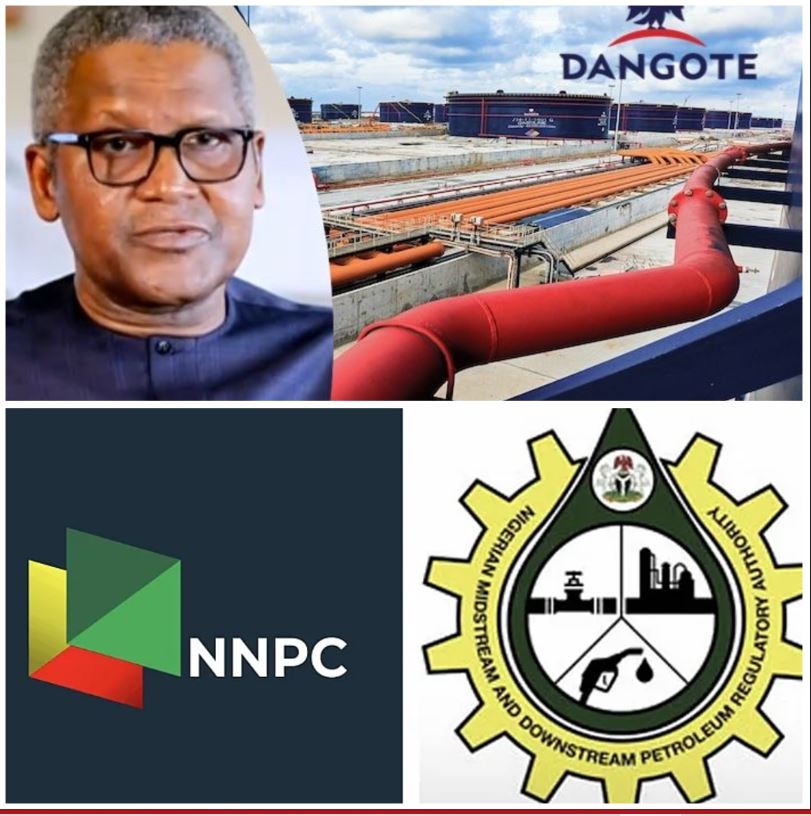
Nigeria’s consumption of Premium Motor Spirit (PMS), popularly known as petrol, reached 56.74 million litres per day in October, according to a new factsheet released by the Nigerian Midstream and Downstream Petroleum Regulatory Authority (NMDPRA).
The latest data offers a comprehensive view of our fuel demand, supply balance, and refinery performance over the past year, highlighting both progress and persistent challenges in Nigeria’s evolving energy sector.
Breakdown of October PMS Supply
The factsheet shows that out of the 56.74 million litres consumed daily in October:
-
27.6 million litres were imported, and

-
17.08 million litres came from local refineries.

The data confirms that despite a gradual rise in domestic refining capacity, imports still play a major role in meeting our daily national demand.
One-Year Consumption Analysis
For the 12-month period from October 2024 to October 2025, Nigerians consumed an average of 661.5 million litres of PMS.
During the same period:
-
The average daily PMS supply to the market stood at 44.7 million litres per day.
-
PMS consumption peaked in October 2025, followed by November 2024 with 56 million litres, and April 2025with 55.2 million litres.
These figures reflect fluctuating market demand influenced by economic conditions, price changes, and supply dynamics.
Domestic Refining: Dangote Leads, NNPCL Refineries Still Idle
The report revealed substantial differences in the performance of Nigeria’s refining assets:
-
Dangote Refinery supplied 18.03 million litres per day, though below its planned 35 million litres/day capacity.
-
The three NNPCL refineries in Port Harcourt, Warri, and Kaduna recorded zero PMS production, as all were under closure throughout the period.
This reinforces the reality that our nation is still heavily dependent on a single large private refinery for domestic PMS production, while public refineries remain inactive despite multi-year rehabilitation programs.
Consumption of Other Petroleum Products
Beyond petrol, Nigerians also recorded significant use of other fuels in October:
-
Diesel: 17.13 million litres/day
-
Aviation Fuel (Jet A1): 2.61 million litres/day
-
Liquefied Petroleum Gas (LPG): 6,095 metric tonnes per day
The steady consumption of LPG aligns with the government’s push for cleaner cooking fuels, while diesel and aviation fuel levels reflect economic and transportation sector activity.
NMDPRA: Data Shows Energy Sector Transformation
According to the NMDPRA, the verified data demonstrates Nigeria’s “strategic transformation in the energy sector.” The agency emphasized key progress areas, stating the figures reflect:
-
Reduced dependence on imports
-
Strengthened domestic refining
-
Growing job creation
-
Improved safety standards
-
Increasing economic stability
The Authority noted that the ongoing reforms are positioning Nigeria to “secure a brighter energy future.”
Implications for the Economy and Energy Security
The data points deduced that we’re in the midst of an important transition:
1. Domestic refining is rising but still insufficient
While the Dangote Refinery is making a visible impact, Nigeria still relies on imports for over half of its petrol needs.
2. Idle public refineries remain a major gap
With NNPCL’s refineries not producing any PMS, the burden of domestic supply continues to rest on private refining and imports.
3. Consumption remains high despite economic pressures
October’s 56.74 million litres/day consumption shows that PMS demand is still robust, even with high pump prices and subsidy removal.
4. Fuel diversification is occurring slowly
LPG and aviation fuel consumption trends underscore broader shifts in the energy mix, though petroleum products remain dominant.
Looking Ahead
As domestic refining capacity grows and regulatory reforms deepens as championed by President Bola Tinubu, Nigeria may be on track to reduce its long-term dependence on fuel imports. However, full energy security will depend on reliable refinery operations, improved distribution, and sustained investment across the downstream and midstream value chains.