


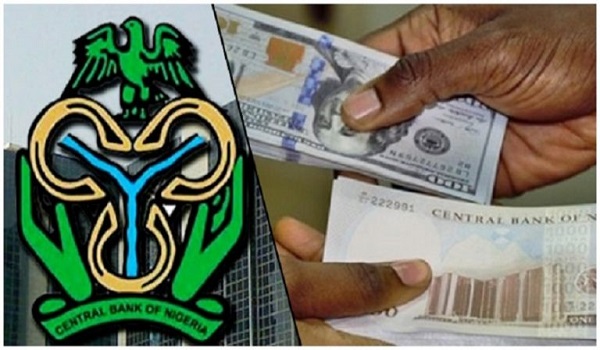
Nigeria’s FX Reserves Rise To $41bn, First Time Since 2021.
Nigeria’s foreign exchange reserves have surged to $41 billion, marking their highest level since December 2021, according to the Central Bank of Nigeria (CBN). This milestone, achieved on 19 August 2025, reflects a robust increase of $1.46 billion from $39.54 billion at the start of the month, driven by enhanced foreign currency inflows and strategic economic reforms.
The CBN reported that the reserves, which had dipped to $37.28 billion in early July, have seen a remarkable turnaround, growing by approximately $81 million daily in August. This steady accretion follows a period of depletion caused by debt repayments and market interventions. Governor Olayemi Cardoso attributed the rise to policies aimed at boosting investor confidence, including the unification of exchange rate windows and increased diaspora remittances, which have risen significantly since 2023.


Analysts note that improved crude oil production, now at 1.51 million barrels per day, and rising non-oil exports have bolstered inflows. The CBN’s efforts to clear forex backlogs and introduce the Nigeria Foreign Exchange Code have further restored market stability, encouraging foreign portfolio investment. “This is a testament to deliberate policy choices,” Cardoso said at a recent Monetary Policy Committee meeting, highlighting the reserves’ role in stabilising the naira, which appreciated slightly to N1,535.78 against the dollar.
The achievement has sparked optimism among economists, who see it as a sign of renewed economic stability. The reserves now cover over 10 months of imports, providing a strong buffer against external shocks. Community leaders have hailed the development, noting its potential to ease inflationary pressures and support local businesses reliant on imported goods.
However, sustaining this momentum will depend on continued oil and non-oil export growth, as well as prudent fiscal management. Some experts caution that global economic uncertainties could pose challenges, urging the government to diversify revenue sources further. For now, the $41 billion milestone positions Nigeria on firmer financial ground, offering hope for sustained economic recovery.
This positive development aligns with broader efforts to strengthen Nigeria’s economy, as the CBN continues to explore innovative policies to enhance forex inflows and maintain market confidence.