

Nigeria’s Inflation Rate Falls To 21.8%, Signalling Economic Relief.
Nigeria’s headline inflation rate has decreased to 21.88% in July 2025, down from 22.22% in June, marking the fourth consecutive month of disinflation this year. The National Bureau of Statistics (NBS) announced the positive development in its Consumer Price Index (CPI) report, released on 15 August 2025, offering a glimmer of hope for the nation’s economy amid persistent price pressures.

The NBS reported a year-on-year decline of 11.52% compared to July 2024’s rate of 33.40%, attributing the drop to a slowdown in the rate of price increases for goods and services. Key contributors to the CPI, including food and non-alcoholic beverages, restaurants, accommodation services, and transport, saw moderated price growth. However, the report noted a month-on-month inflation rate of 1.99% in July, a slight increase from June’s 1.68%, indicating that price rises, while slowing, remain a challenge.
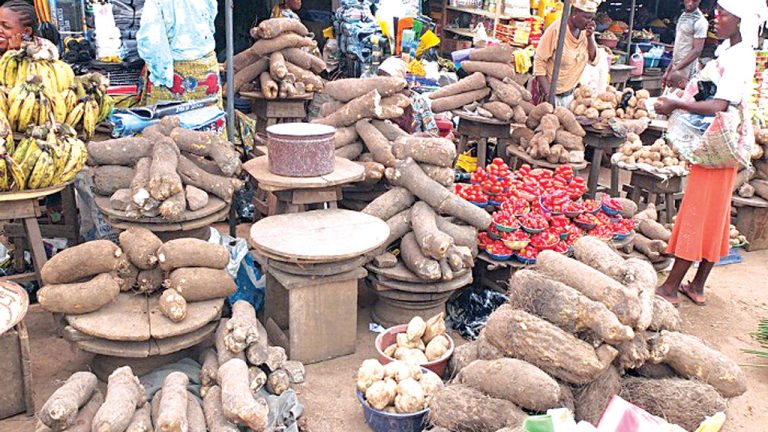
Food inflation, a critical concern for Nigerian households, also showed signs of easing. The NBS highlighted that the food inflation rate stood at approximately 26.08% in July, a significant decrease from the 39.84% recorded in December 2024, following a rebasing of the CPI. This decline was driven by slower price increases in staples such as yam, palm oil, and vegetables, though items like bread, maize, and tea saw continued rises. States like Sokoto, Gombe, and Yobe experienced the highest food inflation, while Benue, Rivers, and Bayelsa recorded the lowest.
Economic analysts have welcomed the news, noting that the consistent decline in inflation could ease the burden on consumers and businesses. “This is a step in the right direction, but the government must sustain efforts to stabilise food prices and address structural issues,” said Dr. Chidi Okoro, an economist based in Lagos. The Central Bank of Nigeria (CBN) has been implementing measures to curb inflation, including tightening monetary policy, which may have contributed to the recent trend.
Despite the positive figures, challenges persist. The month-on-month increase suggests that inflationary pressures are not fully subdued, particularly in urban areas where the inflation rate reached 26.09% compared to 22.15% in rural regions. The NBS also introduced new indices, such as the Farm Produce Index and Energy Index, to provide policymakers with better tools to monitor price trends and address sector-specific challenges.
The decline in inflation coincides with other economic developments, including a reduction in petrol prices by the Nigerian National Petroleum Company (NNPC) Limited to N865 per litre in Lagos and N890 in Abuja, which may further alleviate costs for consumers. Additionally, Nigeria’s oil production has risen to 1.7 million barrels per day, boosting foreign exchange earnings and supporting economic stability.
As Nigerians navigate the high cost of living, the government has been urged to prioritise policies that enhance agricultural productivity and address supply chain disruptions. With the inflation rate showing signs of stabilisation, there is cautious optimism that these efforts could pave the way for sustained economic recovery in the coming months.
