


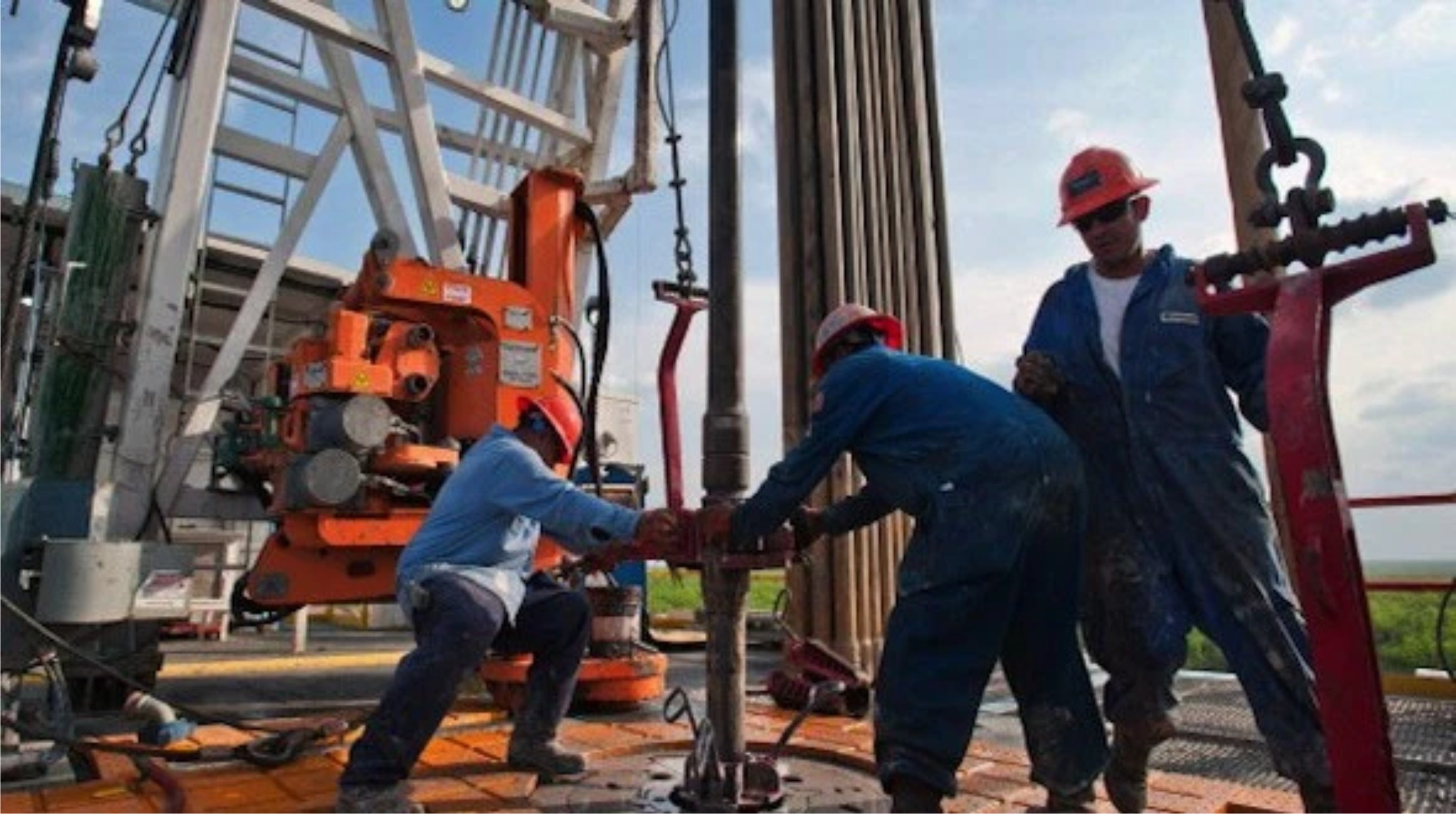
NNPCL Targets $4.5 Billion Savings In Oil Production Costs By Year-End.
The Nigerian National Petroleum Company Limited (NNPCL) has launched a bold initiative to cut oil production costs by $3 billion this year, with a goal of reaching $4.5 billion by December 2025. Partnering with international oil companies (IOCs) and local producers, NNPCL aims to streamline operations and boost the competitiveness of Nigeria’s oil and gas sector.
Speaking at the 50th anniversary of the Nigerian Association of Petroleum Explorationists (NAPE) in Lagos on 14 August 2025, NNPCL’s Group Chief Executive Officer, Bayo Ojulari, represented by Executive Vice President for Upstream, Udobong Ntia, detailed the plan. “We’re re-engineering our operations to reduce costs significantly. In the past six months, we’ve identified $3 billion in savings, and we’re targeting $4.5 billion by year-end,” he said. The strategy focuses on lowering unit operating costs (UOCs) and unit technical costs (UTCs) to enhance sector-wide value.


Nigeria’s oil production costs, ranging from $20 to $40 per barrel, rank among the highest globally, driven by multiple taxes, levies, security challenges, and intermediary fees. Compared to lower global averages, these costs hinder competitiveness. The initiative supports President Bola Tinubu’s ambition to attract $30 billion in oil and gas investments by 2027, with a further target of $60 billion by 2030. NNPCL is optimising operations across deepwater, shallow offshore, land, and swamp fields to meet these goals.
Production has already risen from 1.4 million barrels per day (bpd) in December 2024 to 1.8 million bpd by July 2025, a 400,000 bpd increase in six months, driven by new projects and improved infrastructure. NNPCL is leveraging innovative funding, AI-powered field optimisation, and facility upgrades to sustain growth. The Nigerian Upstream Petroleum Regulatory Commission (NUPRC) backs these efforts, with Chief Executive Gbenga Komolafe announcing plans to increase active rig counts from 43 to 50 by December 2025, up from eight in 2021. Nigeria’s reserves—37.28 billion barrels of oil and 210.54 trillion cubic feet of gas—support ambitions of 3 million bpd and 12 billion cubic feet of gas per day by 2030.
Industry stakeholders commend the collaborative approach, noting that cost reductions benefit operators and NNPCL alike. With digital tools like machine learning and AI, NNPCL aims to unlock stranded oil discoveries and drive sustainable growth. This cost-cutting push marks a pivotal step toward energy security, economic prosperity, and global competitiveness for Nigeria’s oil and gas industry.