

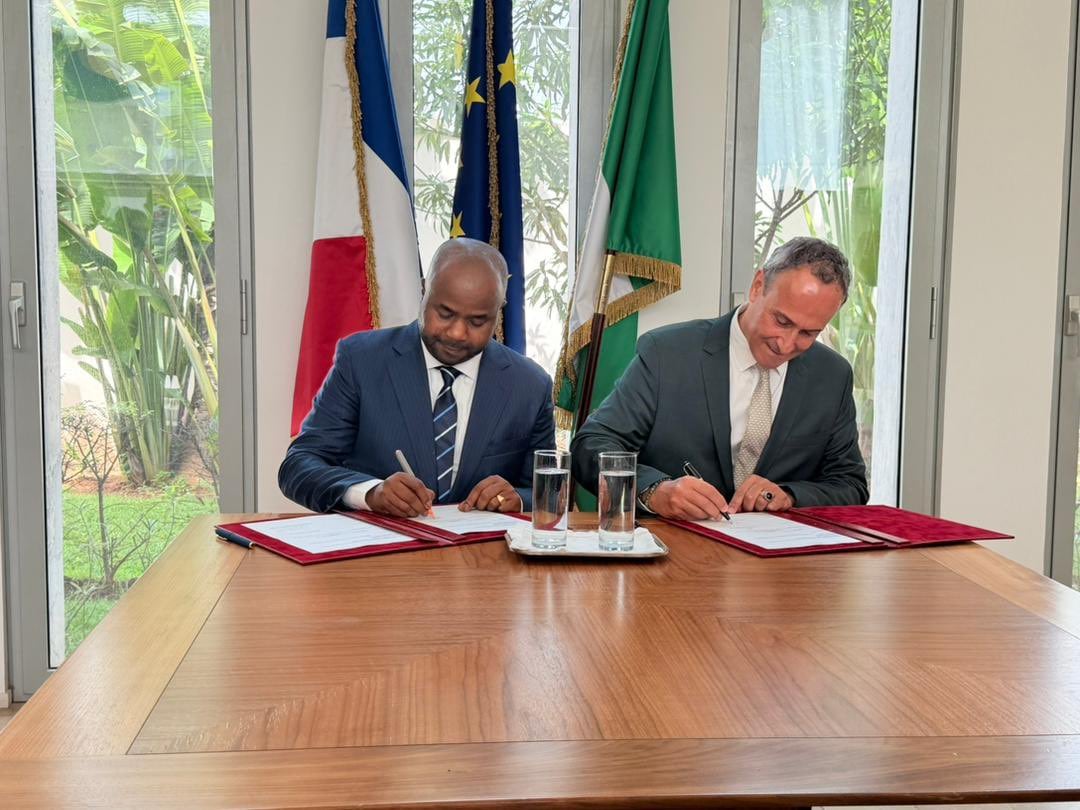
The Nigeria Revenue Service (NRS), has moved to reassure the public over concerns about a recently signed Memorandum of Understanding (MoU), with France on tax cooperation, emphasizing that the agreement does not expose Nigerian tax data or compromise national sovereignty.
Speaking on the partnership, NRS Chairman Zacch Adedeji said, “There is nothing to fear.” He stressed that the MoU is purely technical and advisory, aimed at strengthening institutional capabilities rather than granting France access to Nigeria’s tax systems or sensitive data.
What the MoU Covers
Signed on December 10, 2025, between the NRS and France’s Direction Générale des Finances Publiques (DGFiP), the MoU focuses on capacity building, digital taxation, transfer pricing, and modernisation of revenue administration.
Key features include:
-
Technical Cooperation: France provides advisory support and shares best practices on tax administration.

-
Capacity Building: Nigerian officials receive training in auditing, data analytics, and modern tax systems.
-
Data Protection: All information remains under Nigerian law, with no automatic data sharing or external access.
-
Digital Taxation Focus: Collaboration helps Nigeria manage taxation of international digital services, a growing global challenge.
-
Non-binding and Advisory Nature: The MoU does not create legal obligations or permit France to access Nigeria’s IT infrastructure.
Adedeji reassured citizens that the agreement mirrors similar partnerships Nigeria already has with the United Kingdom and South Africa, and that it strengthens Nigeria’s revenue administration without compromising sovereignty.
Integration Into Nigeria’s Tax Reform Agenda
The MoU is part of a broader effort to modernise Nigeria’s tax system under the transformation of FIRS into the NRS.
The goals include:
-
Enhancing efficiency and digital adoption within the revenue service.
-
Aligning with global tax standards, including OECD guidelines, to curb tax avoidance.
-
Strengthening the country’s ability to tax digital businesses, expanding the revenue base.
-
Improving fiscal transparency and compliance, ultimately boosting revenue mobilization.
Despite official reassurances, some civil society groups have called for more transparency regarding the agreement’s implications. However, NRS officials remain firm that the MoU is strictly technical, non-intrusive, and fully controlled by Nigerian authorities.
Bottom line:
The Nigeria-France tax MoU is a strategic partnership for capacity building and modernisation, not a gateway for foreign access to taxpayer information.
For citizens concerned about data exposure, the message is clear: Nigeria retains full control over its tax data, and there is nothing to fear.
