

The Federal Executive Council (FEC), has given the green light to a sweeping reform of the National Youth Service Corps (NYSC), marking the first thorough review of the Scheme since it was set up 53 years ago. These reforms are set to be one of the most significant changes in the NYSC’s history, with the goal of modernising its operations, improving the welfare and security of corps members, boosting skills acquisition, and aligning the Scheme with Nigeria’s long-term economic development plans.
This reform package aims to transform the NYSC into a tech-savvy, productivity-focused, and youth-empowerment institution that equips Nigerian graduates for leadership roles, entrepreneurship, and job opportunities in an increasingly digital and competitive global landscape.
Founded in 1973, the National Youth Service Corps was established to foster national unity, integration, and healing after the Civil War by sending graduates to serve in states away from their home regions for a year.
Over the last fifty years, the NYSC has evolved into one of our most resilient national institutions, making significant contributions to education, healthcare, agriculture, community development, and public administration throughout Nigeria.


Yet, as the nation changes—thanks to technological advancements, shifting job market needs, security issues, and the demand for greater youth productivity—it’s become clear that comprehensive reforms are essential.
In response to these challenges, the Federal Government launched a thorough review of the Scheme in 2025, aiming to ensure that the NYSC stays relevant to Nigeria’s current and future development goals.
The reforms that have been approved aim to:
– Modernise the operational structure of the NYSC.
– Enhance the safety and welfare of corps members.
– Equip graduates with practical skills, entrepreneurial know-how, and digital expertise.
– Foster national integration by implementing more effective deployment strategies.
– Align national service with the needs of the labour market.
– Boost institutional transparency, accountability, and efficiency.
– Position the NYSC as a driving force for economic growth and youth empowerment.
These reforms also support President Bola Ahmed Tinubu’s vision of transforming Nigeria into a $1 trillion economy by investing in human capital development.
Major Reform Initiatives
1. Technology-Driven Call-Up Process
One of the major changes we’re seeing is the rollout of a completely tech-driven call-up process.
This initiative is designed to:
– Digitise the registration and mobilisation processes.
– Cut down on administrative hurdles.
– Boost transparency.
– Eradicate fraudulent activities.
– Strengthen communication between the NYSC and future corps members.
By embracing digitalisation, we anticipate a significant boost in operational efficiency, making the experience for graduates joining the Scheme much smoother.
2. A Risk-Sensitive Deployment System
Security issues have become a growing concern, impacting how much trust the public has in the NYSC.
With the new reforms, decisions about deployments will be more attuned to the risks, considering the current security situation throughout the country.
The goals we’re aiming for are:
- Stronger safeguards for our corps members.
- Smarter choices when it comes to deployments.
- Better teamwork with security agencies.
- Faster and more effective emergency response systems.
This approach aims to strike a balance between the NYSC’s goal of fostering national integration and ensuring the safety and well-being of all participants.
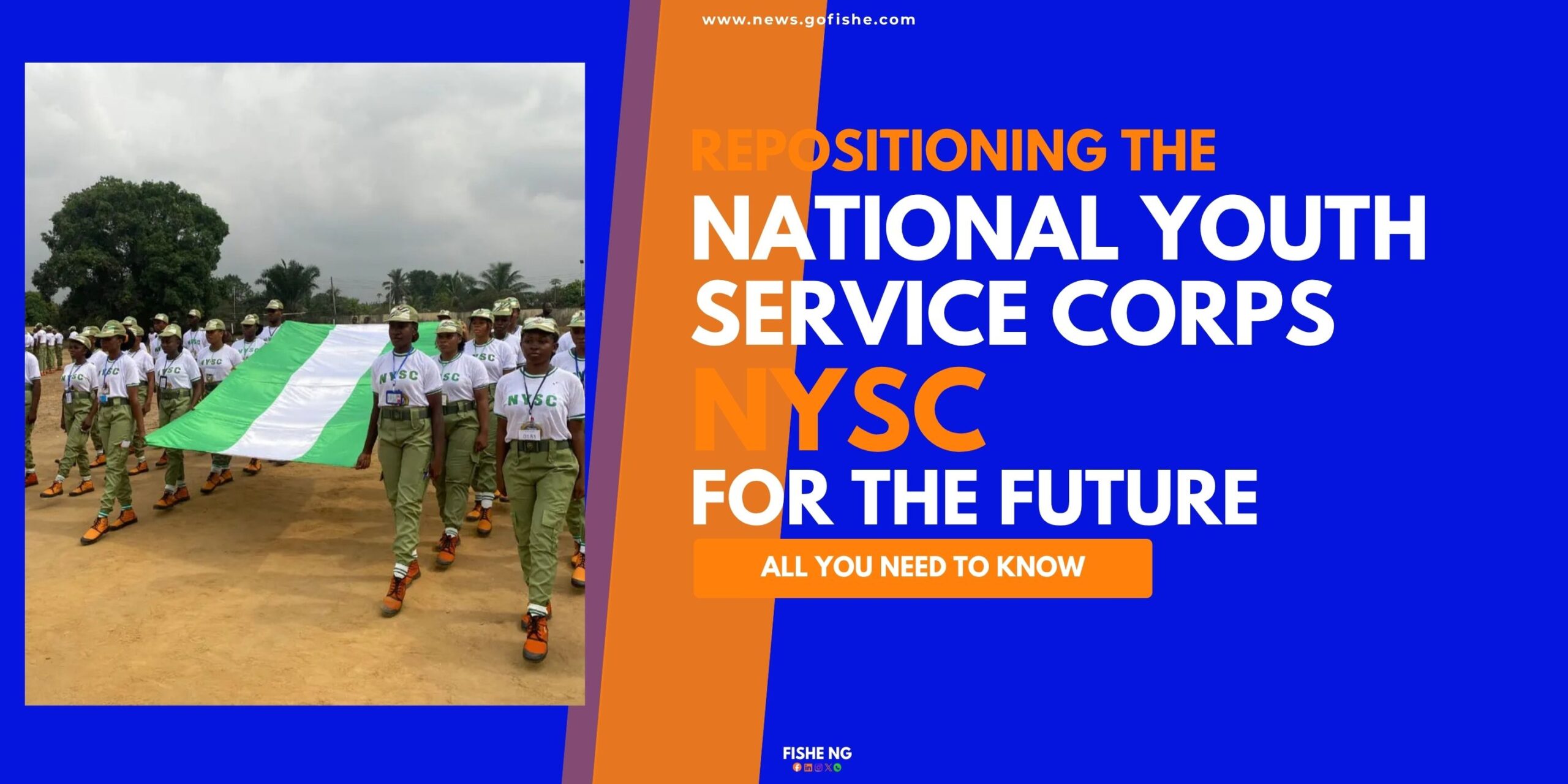

3. Revamped Six-Week Orientation Program
We’re shaking things up with the orientation program to put a stronger emphasis on practical skills and leadership growth.
Here are some of the key elements you can expect:
– Leadership and civic responsibility.
– Entrepreneurship development.
– Digital literacy.
– Innovation and technology.
– Career readiness.
– Specialised professional learning tracks.
The revamped program is designed to equip corps members with the tools they need to navigate today’s job market while encouraging innovation and self-sufficiency.
4. Skills-Based Primary Assignments
One significant shift from the traditional deployment model is the move towards skills-based primary assignments.
Instead of simply filling available vacancies with corps members, placements will now take into account:
– Academic qualifications
– Professional competencies
– Career aspirations
– Industry needs
– Workforce development priorities
This change aims to boost productivity during national service and help participants acquire hands-on experience that aligns with their career goals.
5. Modern Governance Structure
The newly approved reforms bring in a fresh governance framework that emphasizes civilian leadership in operations.
With this new setup:
- Civilian experts will take charge of running and managing the Scheme.
- The military will still be on hand to provide security support, maintain discipline, and assist with orientation camps.
This governance model aims to boost institutional efficiency while ensuring that the armed forces continue to play their important security role that they’ve held for so long.
6. Improved Camp Standards
The Federal Government has given the green light for a national grading and certification system specifically for NYSC orientation camps.
This initiative aims to:
- Make sure facilities across the country are up to par, and to improve living conditions, boost healthcare services, and upgrade sanitation and infrastructure. It’s also crucial to promote accountability in how camps are managed.
The certification system is designed to promote ongoing enhancements in the quality of facilities and services that corps members can access.
7. New Graduation Ceremony and Uniform
The reforms are also bringing in some symbolic changes aimed at giving the NYSC a more modern image.
Here’s what’s on the table:
– Swapping out the traditional Passing Out Parade for a more formal graduation ceremony.
– Rolling out new NYSC uniforms that highlight professionalism, national identity, and pride.
This revamped ceremony is set to better showcase the educational and developmental milestones that corps members achieve during their year of service.
Development Process
The reform initiative didn’t just spring up out of nowhere. Starting in 2025, the Federal Government launched a thorough consultative process that brought together a variety of stakeholders.
The review was managed by:
- The Federal Ministry of Youth Development.
- The Federal Ministry of Education.
- The Office of the Special Adviser to the President for Policy and Coordination.
The process involved engaging with key government agencies and stakeholders to make sure that the proposed reforms not only tackled current issues but also upheld the essential mission of the NYSC.
Legal and Institutional Framework
After receiving the green light from the Federal Executive Council, the Attorney-General of the Federation, along with the Federal Ministry of Youth Development, has been tasked with kicking off the process to amend the NYSC Act and its related regulations.
These legislative changes will lay down the legal framework needed to:
- Make those approved reforms a part of our everyday operations. Refresh our current governance structures and roll out some new operational procedures, which are crucial to guarantee a seamless implementation across the country, with legislative backing expected to guarantee sustainability and long-term effectiveness.
Expected Impact
The all-encompassing reform package is set to bring about substantial advantages in various sectors.
For Nigerian Youth
– Boosted job prospects.
– Heightened ability to start and manage businesses.
– Enhanced skills in digital technology.
– Expanded opportunities for career growth.
– Greater preparedness for the workplace.
For the NYSC
– Increased efficiency within institutions.
– Strengthened governance practices.
– Greater transparency in operations.
– More effective use of resources.
– Boosted public trust.
For National Development
– Enhanced national unity.
– Boosted productivity in the workforce.
– Closer connection between education and job opportunities.
– Greater involvement of young graduates in driving economic growth.
– Backing for Nigeria’s vision of long-term economic transformation
Significance of the Reform
The recent approval marks the most significant overhaul of the NYSC since it was established over fifty years ago.
Instead of just keeping the old structure intact, these reforms aim to transform the Scheme into a dynamic platform for national growth, skill development, leadership training, innovation, and empowering the youth.
By embracing technology, enhancing security, focusing on practical skills, modernising governance, and bolstering career development opportunities, the Federal Government is working to ensure that the NYSC stays relevant in tackling today’s national issues.
These reforms also highlight a broader dedication to investing in Nigeria’s youth, recognising them as a vital force for economic growth, national unity, and sustainable development.
Conclusion
The Federal Executive Council’s green light for the comprehensive NYSC reform is a significant milestone in the journey of one of Nigeria’s key national institutions. This marks the first thorough review in the Scheme’s 53-year history, laying out a clear path to modernise the NYSC into a more efficient and future-ready organisation.
For these reforms to truly take shape, we need timely legislative changes, proper funding, collaboration among stakeholders, and effective implementation. If we can bring these reforms to life, they could not only enhance national unity but also empower Nigerian graduates with the essential knowledge, skills, and experience to make a real impact on the country’s economic growth and development goals.