


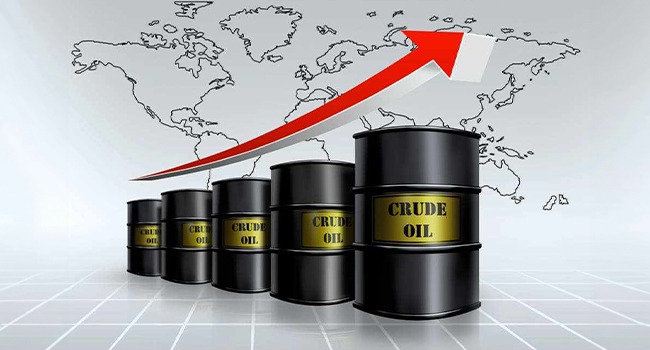
Global oil markets experienced a sharp surge as geopolitical tensions escalated in the Middle East, particularly following Iranian attacks on energy infrastructure in the United Arab Emirates (UAE). Brent crude—the international oil benchmark—rose above $114 per barrel, reaching a near four-year high, while U.S. West Texas Intermediate (WTI), also climbed above $105–$106 per barrel.
This spike reflects renewed fears of supply disruptions in one of the world’s most critical oil-producing and transit regions.
Trigger: Iranian Attacks on UAE Oil Infrastructure
The immediate catalyst for the price surge was a series of drone and missile attacks by Iran targeting UAE energy facilities, particularly in Fujairah, a key oil export hub. These strikes caused fires and damage in oil industrial zones, intensifying market anxiety.
Additional reports indicate:
- Attacks also targeted vessels and infrastructure near the Strait of Hormuz, a vital global shipping route.
- The UAE intercepted multiple missiles and drones, signaling a broader military escalation.
These developments revived fears that the conflict could disrupt oil flows on a large scale.


A central factor driving oil price volatility is the Strait of Hormuz, through which roughly 20% of global oil supply passes.
Key dynamics include:
- Iran has attempted to assert control over the strait and restrict access.
- Military clashes and threats to shipping have reduced traffic and increased insurance and transport costs.
- Any disruption in this chokepoint has immediate global supply implications.
The ongoing crisis has been described as one of the largest energy supply disruptions in modern history.
Market Reaction and Price Movements
- Brent crude surged 5–6%, breaching $114 per barrel.
- WTI crude climbed above $106 per barrel.
- Prices have shown increased volatility, with larger daily swings due to uncertainty.
Although prices briefly retreated after U.S. officials downplayed escalation risks, they remained elevated above $110, indicating persistent tension.
The price surge is part of a wider conflict involving Iran, the United States, and Gulf states:
- A fragile ceasefire exists but is under strain.
- The U.S. has deployed naval forces to escort ships and ensure freedom of navigation.
- Iran has warned against foreign military presence and signaled willingness to escalate.
Additionally, the UAE’s evolving role in global oil markets—including shifts in alliances and production policies—has further complicated regional dynamics.
Implications for Global Economy
The surge in oil prices carries significant economic consequences:
Inflationary Pressure
Higher oil prices increase fuel and transportation costs, contributing to global inflation.
Energy Security Concerns
Countries reliant on Middle Eastern oil—especially in Asia—face heightened supply risks.
Financial Market Volatility
Oil price spikes have triggered fluctuations in global equities and currencies, reflecting broader uncertainty.
Long-term Market Impact
Analysts warn that continued instability could keep oil prices above $100 per barrel for an extended period.
Outlook
The future trajectory of oil prices depends heavily on geopolitical developments:
- De-escalation scenario: Prices may stabilise or decline if ceasefire conditions hold and shipping routes reopen.
- Escalation scenario: Further attacks or prolonged disruption in the Strait of Hormuz could push prices even higher.
Given the current situation, markets remain highly sensitive to military and diplomatic signals.
The climb in oil prices above $114 per barrel underscores the direct link between geopolitical instability and global energy markets. Iranian attacks on UAE oil infrastructure have reignited fears of supply disruptions, particularly in the strategically vital Strait of Hormuz.
While short-term fluctuations may occur, the broader trend reflects a market driven by risk premiums, uncertainty, and fragile geopolitical balances—factors that will likely continue to shape oil prices in the near future.