


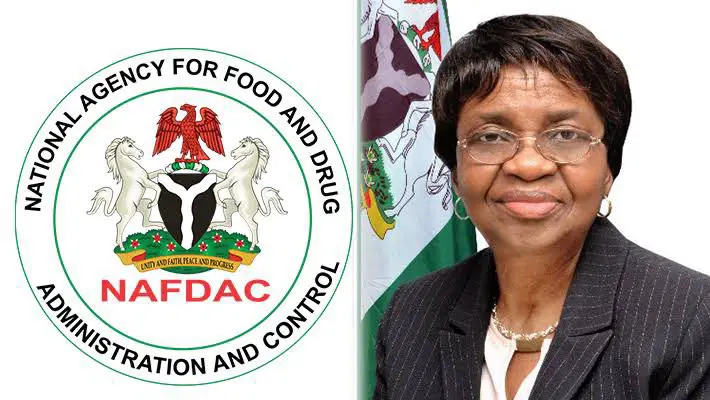
The National Agency for Food and Drug Administration and Control (NAFDAC) has sounded the alarm over a critical shortage of mental health professionals in Nigeria, revealing that fewer than 300 psychiatrists are available to serve a population surpassing 200 million people.
The agency said this staffing gap severely undermines national efforts to prevent, detect and treat mental illnesses across the country.
Speaking at a World Mental Health Day event in Abuja, NAFDAC Director-General Prof. Mojisola Adeyeye emphasised the urgency of the situation and called for immediate policy attention and investment. “Mental health is everyone’s right, and the government must prioritise policies that ensure accessible treatment and prevention,” she said, stressing that stigma, limited resources and inadequate training contribute to the widening care deficit.
Prof. Adeyeye linked the shortfall of specialists to broader weaknesses in the health system, noting that many Nigerians living with mental disorders lack access to even basic mental health services. She highlighted the need to scale up training for professionals, expand mental health infrastructure and integrate mental health into primary healthcare so that early detection and treatment become more widely available.


The NAFDAC boss also drew attention to the connection between substance misuse and mental ill-health, explaining that the agency’s campaign on the safe use of medicines includes measures to curb drug abuse. She urged stricter regulation of controlled substances and closer collaboration between regulatory agencies, health institutions and community organisations to protect vulnerable populations.
According to NAFDAC, addressing the crisis will require coordinated action from federal and state governments, development partners and the private sector to fund training programmes, build facilities and launch public education campaigns. The agency said tasking local governments and primary care centres with basic mental health services would help bridge the gap while more specialists are trained.
Prof. Adeyeye closed by encouraging Nigerians to seek professional help for mental health concerns and to reject harmful practices that drive people away from care. “With collective support, awareness and policy enforcement, Nigeria can overcome the growing burden of mental illness,” she said, urging stakeholders to act now to protect the mental wellbeing of the nation.