


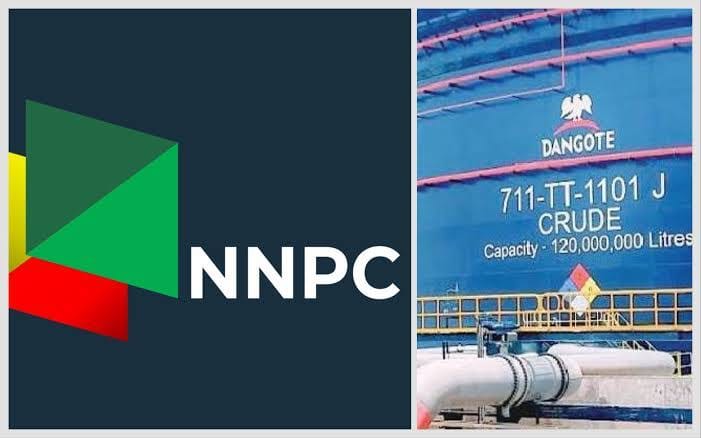
The Nigerian downstream petroleum sector has witnessed a significant development as the Dangote Petroleum Refinery and the Nigerian National Petroleum Company Limited (NNPCL), implement substantial reductions in petrol pump prices.
These adjustments, coming amid fluctuating global crude oil prices and increasing pressure on domestic consumers, signal a notable shift in the pricing dynamics of Nigeria’s fuel market.
Dangote Refinery’s aggressive price cut has prompted swift responses from NNPCL and other marketers, highlighting the growing influence of local refining capacity on nationwide fuel costs.
This report examines the details of these price adjustments, their immediate impact on consumers, and the broader implications for Nigeria’s downstream oil sector.

Dangote Refinery Cuts Petrol Price — What Happened?
On March 10–11, 2026, Dangote Petroleum Refinery announced a significant price reduction for Premium Motor Spirit (PMS), commonly known as petrol:
-
The ex‑depot (gantry), price was cut by ₦100, from ₦1,175 to ₦1,075 per litre.
-
Coastal supply petrol prices were also reduced, from ₦1,150 to about ₦1,028 per litre.
-
Diesel (Automotive Gas Oil) prices were lowered by ₦190 to ₦1,430 per litre.
These adjustments took effect immediately and reflect a response to falling global crude oil prices, which have eased cost pressures internationally.
Why this matters:
-
This marks a notable downward correction after a series of price hikes earlier in the week — an unusual cycle of rapid increases followed by a sharp cut.
-
The move is intended to give relief to marketers and consumers facing volatile petrol costs, which had been driven up by global oil market dynamics.
NNPCL Cuts Petrol Price in Response
Following Dangote Refinery’s price adjustment, Nigerian National Petroleum Company Limited (NNPCL), reduced its pump prices by ₦95 per litre at selected retail outlets:
-
In Abuja and surrounding areas, the petrol price at NNPCL stations dropped to ₦1,165 per litre from about ₦1,260.
-
Diesel was reported selling around ₦1,535 per litre at these outlets.
-
Other independent marketers such as NIPCO, AP, and AA Rano have also moved prices downward (roughly ₦1,195–₦1,223 per litre), and outlets like MRS are preparing similar cuts.
Market dynamics at play:
-
NNPCL’s price cut appears to be a reaction to Dangote’s pricing rather than an independent policy change — underscoring the influence Dangote Refinery’s pricing strategy now has on the overall Nigerian downstream market.
-
Other private marketers are responding in what looks like a competitive alignment, as diesel and petrol prices cascade through the retail network.
What This Means for Nigerians
Short‑Term Relief at the Pump
-
Retail petrol prices — especially at major branded stations — are likely to trend downward as the reduced ex‑depot (gantry), prices filter through depot channels.
-
This gives motorists and commercial transport operators temporary relief from steep fuel costs, which contribute to the cost of goods, transportation, and inflation.
Global Oil Market Still Influential
-
Even with domestic refinery cuts, petrol prices in Nigeria remain sensitive to international crude price fluctuations. Continued volatility in the Middle East and other oil markets could push prices higher again.
-
Analysts have cautioned that prices could rise sharply if geopolitical tensions escalate — potentially to ₦1,500 per litre or more in extreme scenarios.
Competitive Oil Market
-
Dangote Refinery’s pricing strategy appears to underscore a more competitive downstream sector in Nigeria. The state oil firm (NNPCL), and private marketers are now more reactive to domestic refining price signals than in the past.
Key Takeaways
1. Domestic Refining Begins to Shape Prices:
Dangote’s pricing cuts are early but clear evidence that local refining capacity now has real influence over how fuel prices are set and adjusted nationwide.
2. NNPCL’s Strategy Is Adaptive:
Rather than maintaining a rigid price framework, the national oil company is now adjusting pump prices in direct response — a departure from earlier years when it often dominated pricing.
3. Consumer Impact Is Positive, But Fragile:
While Nigerians may see cheaper fuel at stations for now, prices are still vulnerable to global crude price changes and downstream logistics costs.
