


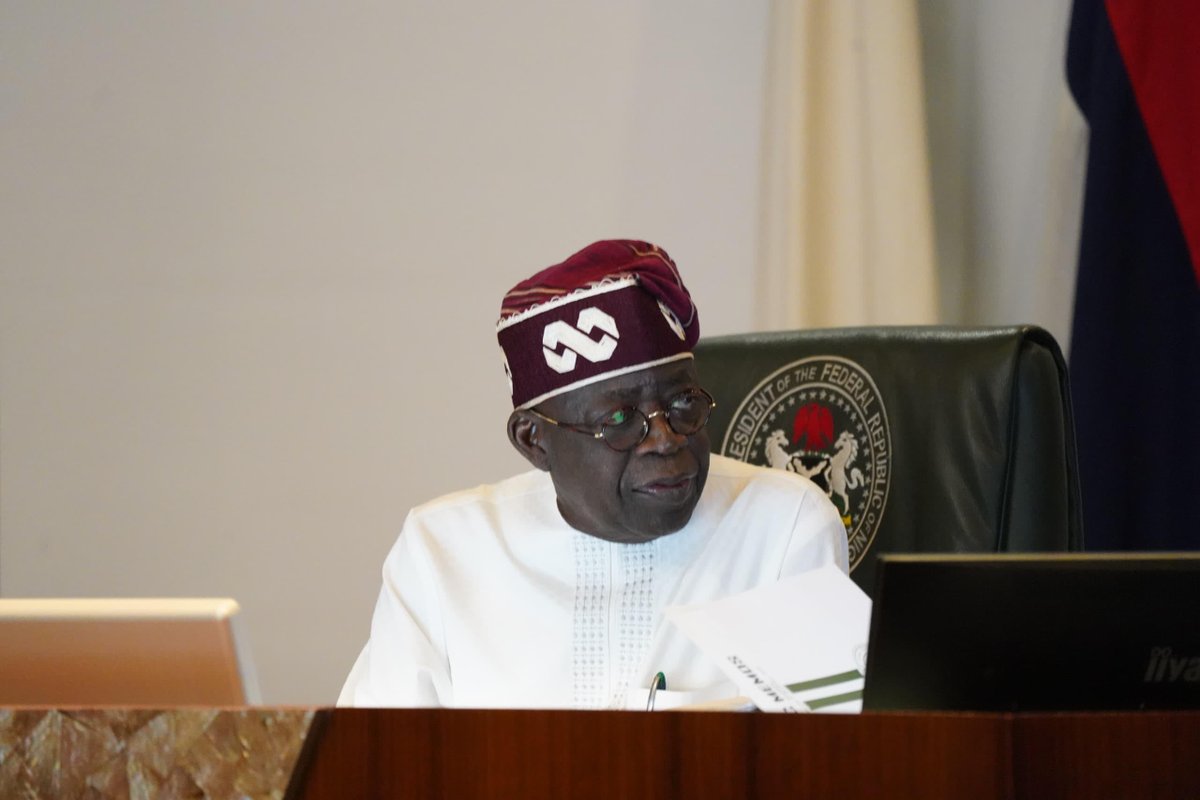
On April 5, 2026, President Bola Ahmed Tinubu approved a ₦3.3 trillion debt repayment plan to address long-standing financial liabilities in Nigeria’s electricity sector. The initiative is a central component of the Presidential Power Sector Financial Reforms Programme, designed to stabilise the industry and significantly improve electricity reliability across the country.
This intervention represents one of the most ambitious financial restructurings in Nigeria’s power sector history, targeting systemic liquidity challenges that have persisted for over a decade.
Background: Legacy Debt Crisis in the Power Sector
Nigeria’s electricity sector has struggled with deep-rooted structural and financial problems, including:
- Persistent liquidity shortfalls
- Tariff and subsidy gaps
- Inconsistent gas supply to power plants
- Weak revenue collection across distribution companies
- Heavy reliance on private generators
A critical issue has been the accumulation of legacy debts between February 2015 and March 2025, owed to power generation companies (GenCos), gas suppliers, and other stakeholders. These debts severely constrained operations and discouraged new investment.
Details of the ₦3.3 Trillion Settlement Plan
Scope and Verification
After a comprehensive audit and verification process, the Federal Government:
- Confirmed ₦3.3 trillion as the total outstanding liability
- Declared the figure a “full and final settlement”
- Emphasised transparency and fairness in resolving claims
This marks a decisive effort to clean up the sector’s financial backlog.


Implementation Progress
Implementation is already underway, with significant milestones achieved:
- 15 power plants (GenCos), have signed settlement agreements
- Agreements cover approximately ₦2.3 trillion
- Government has raised ₦501 billion to fund repayments
- ₦223 billion has already been disbursed
- Additional payments are ongoing
The announcement was communicated in a statement by Bayo Onanuga, Special Adviser to the President on Information and Strategy.
Policy Objectives and Strategic Goals
Stabilising the Power Value Chain
The plan targets all segments of the electricity value chain:
- Generation (GenCos)
- Transmission
- Distribution (DisCos)
According to Olu Arowolo-Verheijen, Special Adviser on Energy, the initiative will:
- Ensure gas suppliers are paid
- Enable power plants to operate sustainably
- Restore operational stability across the system
Improving Electricity Reliability
With improved cash flow:
- Power plants can generate more consistently
- System disruptions are expected to reduce
- Electricity supply should become more reliable for households and businesses
Restoring Investor Confidence
The programme aims to:
- Rebuild trust among private investors
- Reduce financial uncertainty in the sector
- Attract new capital for infrastructure development
Complementary Reforms
The debt settlement is part of a broader reform agenda that includes:
Metering Improvements
- Expansion of metering to reduce estimated billing
- Improved revenue assurance for distribution companies
Service-Based Tariffs
- Linking electricity pricing to quality and availability of supply
- Encouraging efficiency and accountability
Targeted Power Supply
Priority electricity delivery to:
- Industries
- Businesses
- Small and medium enterprises (SMEs)
This is expected to boost productivity, job creation, and economic growth.
Expected Impact
Short-Term Outcomes


- Improved liquidity for power companies
- Stabilisation of generation levels
- Gradual reduction in outages
Medium- to Long-Term Outcomes
- More reliable electricity nationwide
- Reduced dependence on diesel and petrol generators
- Lower operational costs for businesses
- Enhanced economic competitiveness
As highlighted in the official statement, “with payments reaching the power value chain, generation will be more stable… electricity reliability will improve.”
Economic and Policy Significance
Fiscal Commitment
The ₦3.3 trillion plan represents a major government expenditure, signalling:
- Strong commitment to infrastructure reform
- Prioritisation of the energy sector
Link to Economic Growth
Reliable electricity is essential for:
- Industrial expansion
- Investment attraction
- SME development
- National productivity
Challenges and Risks
Despite its potential, several risks remain:
Funding Sustainability
- Ensuring continued financing without excessive borrowing
Structural Weaknesses
Debt repayment alone may not resolve:
- Transmission bottlenecks
- Distribution inefficiencies
- Energy theft and billing losses
Tariff Sensitivity
- Service-based tariffs could increase costs for consumers
- Public acceptance remains a concern
Next Phase of Reforms
President Bola Ahmed Tinubu confirmed that:
- “Series II” of the reform programme will commence this quarter
- The next phase will build on current progress and deepen structural improvements
He also commended stakeholders for their cooperation in resolving long-standing sector challenges.
Conclusion
The approval of the ₦3.3 trillion debt settlement plan marks a pivotal step in addressing electricity crisis in Nigeria. By clearing legacy debts, restoring liquidity, and implementing complementary reforms, the government aims to create a more stable, efficient, and investor-friendly power sector.
While the initiative offers strong prospects for improved electricity supply, its long-term success will depend on consistent implementation, structural reforms, and effective regulation.