


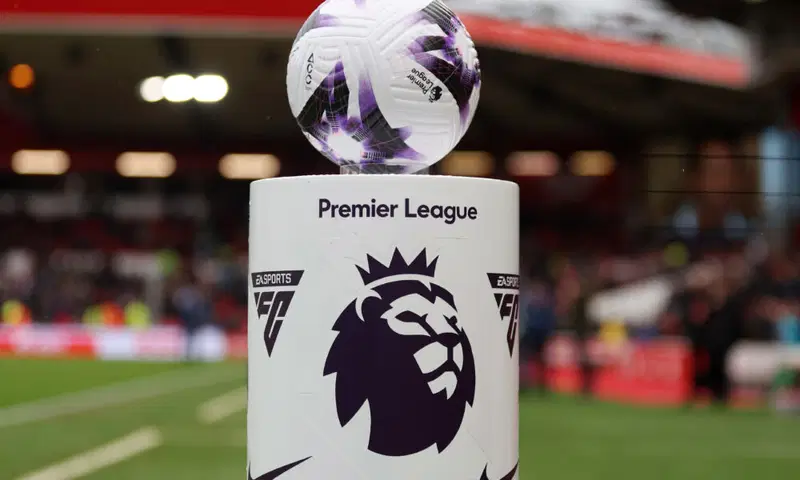
The Premier League has explained that only one match will take place on Boxing Day this year due to fixture congestion caused by the expansion of European tournaments.
The league said the increased number of continental games has made scheduling more difficult, leaving little room for its traditional festive matchday lineup.
In a statement on Thursday, the Premier League admitted that “the expansion of competitions such as the Champions League had presented us with several challenges,” noting that the calendar had been “tightened by both European and domestic cup commitments.” Officials said the league had to balance the interests of clubs, broadcasters, and players while maintaining its usual 380-match season.
Unlike previous years when Boxing Day featured up to eight fixtures, the 2025 calendar will see only one game played Manchester United versus Newcastle United. Other matches originally planned for December 26 will instead be shifted to December 27 and 28 to ease player workload and comply with broadcast agreements.


According to reports, the Premier League is obligated to provide 33 full weekends of fixtures, limiting its flexibility to spread matches evenly across the festive period. Officials acknowledged that this situation is not ideal for fans who value the Boxing Day tradition but said the scheduling changes were unavoidable.
The Football Supporters’ Association criticised the decision, describing the revised calendar as a “disappointing move that puts television and European competitions ahead of fan experience.” The group argued that Boxing Day football has long been an essential part of the English sporting culture and should be preserved whenever possible.
The Premier League assured fans that a full round of fixtures is expected to return when Boxing Day falls on a Saturday in 2026. However, it cautioned that fixture congestion driven by European expansion and domestic commitments will continue to pose scheduling challenges in the years ahead.