

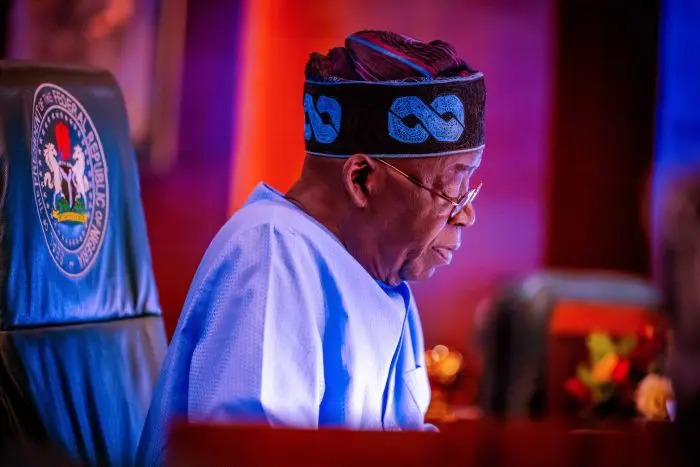
Abuja, Nigeria — President Bola Tinubu has officially postponed the rollout of a 15 percent import duty on petrol and diesel until the first quarter of 2026, the Federal Government announced this week.
The duty had been approved in October 2025 as part of a broader reform to boost local refining capacity, support domestic producers, and strengthen the non‑oil revenue base.
Why the Deferment?
-
The deferment was formally requested by the Federal Inland Revenue Service (FIRS), led by its Executive Chairman, Dr. Zacch Adedeji.
-
According to a memo dated November 7, 2025, the government and stakeholders agreed more time was needed to ensure “market readiness.”

-
Key concerns included aligning technical frameworks, refining infrastructure, and fuel import scheduling so that the implementation would not lead to supply chain disruption.
-
The government also wants to monitor domestic refining performance and production data in early 2026 before imposing the levy.
Reactions & Implications
-
The Nigerian Midstream and Downstream Petroleum Regulatory Authority (NMDPRA), confirmed the suspension of the tariff, clarifying that the deferment was not a cancellation.
-
Some civil society organisations criticized the delay. The Nigerian Coalition of Civil Society Organisations (NCCSO), called the move a “victory for importers,” warning that it could stall the growth of local refineries like Dangote and other modular plants.
-
On the flip side, the government maintains the duty is a corrective policy tool—designed to promote fair competition between imported fuel and locally refined products—rather than simply a revenue grab.
Economic Stakes
-
The duty, when implemented, would apply a 15% ad-valorem tariff to the “cost, insurance, and freight” (CIF) value of imported petrol and diesel.
-
Analysts have warned the tax could raise import fuel costs by nearly ₦100 per litre, which may translate into higher pump prices if passed on to consumers.
-
For government, the policy is part of a strategy to reinforce the downstream oil sector, reduce reliance on imported fuel, and accelerate the build-up of refining capacity in Nigeria.
Tinubu’s Balancing Act
The decision reflects President Tinubu’s broader economic balancing act: he aims to support local refineries (such as the Dangote Refinery), while avoiding immediate public backlash from a sharp rise in fuel prices. By delaying the duty, his administration is signaling that the reform is strategic but will not come at the expense of market stability or consumer welfare.
