


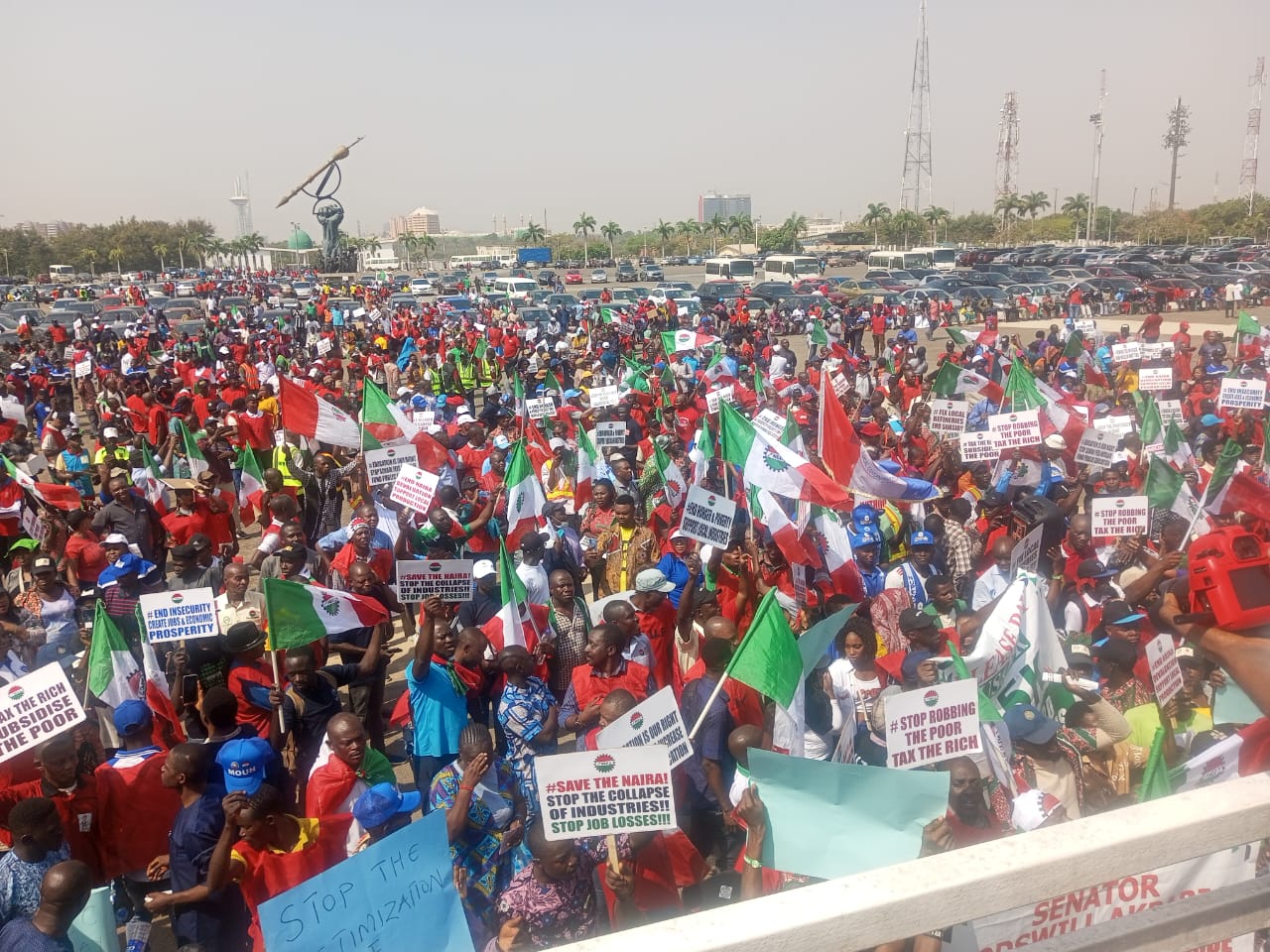
The recent wave of protests in Africa has resulted in significant economic and human costs. In Lagos, Nigeria, the #ENDSARS protests led to a loss of N700 billion in just ten days, according to the Lagos Chamber of Commerce and Industry.
Similarly, the Kenyan government has incurred KSH 6 billion in losses from ongoing Gen-Z revolts. The toll on human lives in both countries is immeasurable.
In Sudan, externally instigated protests, amplified by social media, have escalated into a civil war. The Sudanese economy contracted by about 20% in 2023, with tax revenue plummeting from 5.6% of GDP in 2021 to 2% in 2023. Over 30,000 lives have been lost, and 20% of the population has been displaced.
The country is now in a dire state, with vultures metaphorically presiding over decaying bodies in the streets. Approximately 37% of the population is without food, and the situation is so bleak that the living envy the dead. The activists who fueled this chaos have disappeared, leaving the Sudanese Armed Forces (SAF) and the paramilitary Rapid Support Forces (RSF) in a relentless conflict.

Libya offers a cautionary tale. Once one of Africa’s most prosperous nations, with a GDP of $87 billion in 2008, Libya’s GDP has now fallen to $45 billion, just 50% of its pre-protest level.
Protests in Zarriya in August 2009 and Benghazi in February 2011 led to clashes and eventually opened the gates to widespread conflict. Today, Libya is a failed state, with many Libyans wishing for the return of Gaddafi, who had warned against foreign-instigated protests.
As Nigeria faces a potential protest on August 1st, the question arises: Will Nigeria follow the same path? The answer depends on the youth and the decisions of President Tinubu in the next 24 hours.
Historically, Nigeria has managed periods of controlled chaos, such as the 1978 “Ali Must Go” student riots and the fuel subsidy crises of 2010 and 2012. These events were led by known figures who understood the boundaries of their rights in a constitutional democracy. However, the proposed August 1st protest lacks identifiable leaders, increasing the risk of “uncontrolled chaos.”
Has anyone conducted a cost-benefit analysis of this protest? With Nigeria’s revenue dwindling, can the country afford the potential costs? It’s crucial to ask: Who stands to gain from these protests, and who are the potential losers?
The suffering of Nigerian youth is real and widespread. Listening to over 100 student and youth association leaders, and talking to common people on the streets, reveals a deep-seated frustration. This suffering is not solely caused by the current government. Yet, some protesters are calling for President Tinubu’s removal after just one year in office, highlighting the influence of those with ethnic agendas.
Moses, a hotel staff member, shared that his entire monthly salary barely covers transportation, let alone food and other necessities. His story is common across Nigeria. In his home state of Benue, farmers are afraid to go to their fields, and people sleep with weapons under their pillows due to insecurity.
Moses is ready to protest out of necessity, motivated by the “stomach inducement” rather than political or foreign influences. This sentiment is echoed by many, suggesting a domino effect similar to the one seen in Kenya.
Engaging with student leaders has been intellectually engaging and emotionally challenging. The President of the National Association of Colleges of Education Students (NACES) highlighted that many students struggle to pay their ₦27,000.00 school fees because only the children of the poor attend these institutions.
The youth are angry at the collective mismanagement of Nigeria and the accumulation of debt without accountability. They see the affluence of their leaders and feel hopeless about their future.
The youths are united by hunger, anger, and hopelessness. They have called for an emergency meeting of all Nigerians on August 1st to hold the leadership accountable. While some politicians and foreign interests may be influencing a section of the youth, the majority are driven by genuine grievances.
The youth’s decision to choose peace and dialogue over protest, as shown by several student associations, is commendable. However, the deep-seated issues remain. The youth are suffering from long-term insomnia caused by hunger, joblessness, and frustration. They want the political elites to experience a taste of this sleeplessness.
President Tinubu needs to take swift action to address these grievances. He should speak directly to the youth, explaining the dire economic situation and outlining steps to address their concerns. The President should also prioritize the youth over politicians, asking National Assembly members and other office holders to relinquish 50% of their allowances and community projects budget. This could save one trillion naira immediately. Additionally, the President should reinstate the fuel subsidy to prevent nationwide protests, as the cost of protests would far exceed the subsidy.
President Tinubu should take a cue from leaders like Deng Xiaoping, who prioritized economic stability to address political issues. By addressing the immediate economic concerns, the President can prevent the protests and work towards a more stable and prosperous Nigeria.
In conclusion, Nigerian youths and potential protesters must understand that not everything legal is expedient. The examples of Libya, Sudan, and Syria serve as stark reminders of the consequences of uncontrolled protests. The President’s decisive action in the coming days will determine Nigeria’s path forward.
