


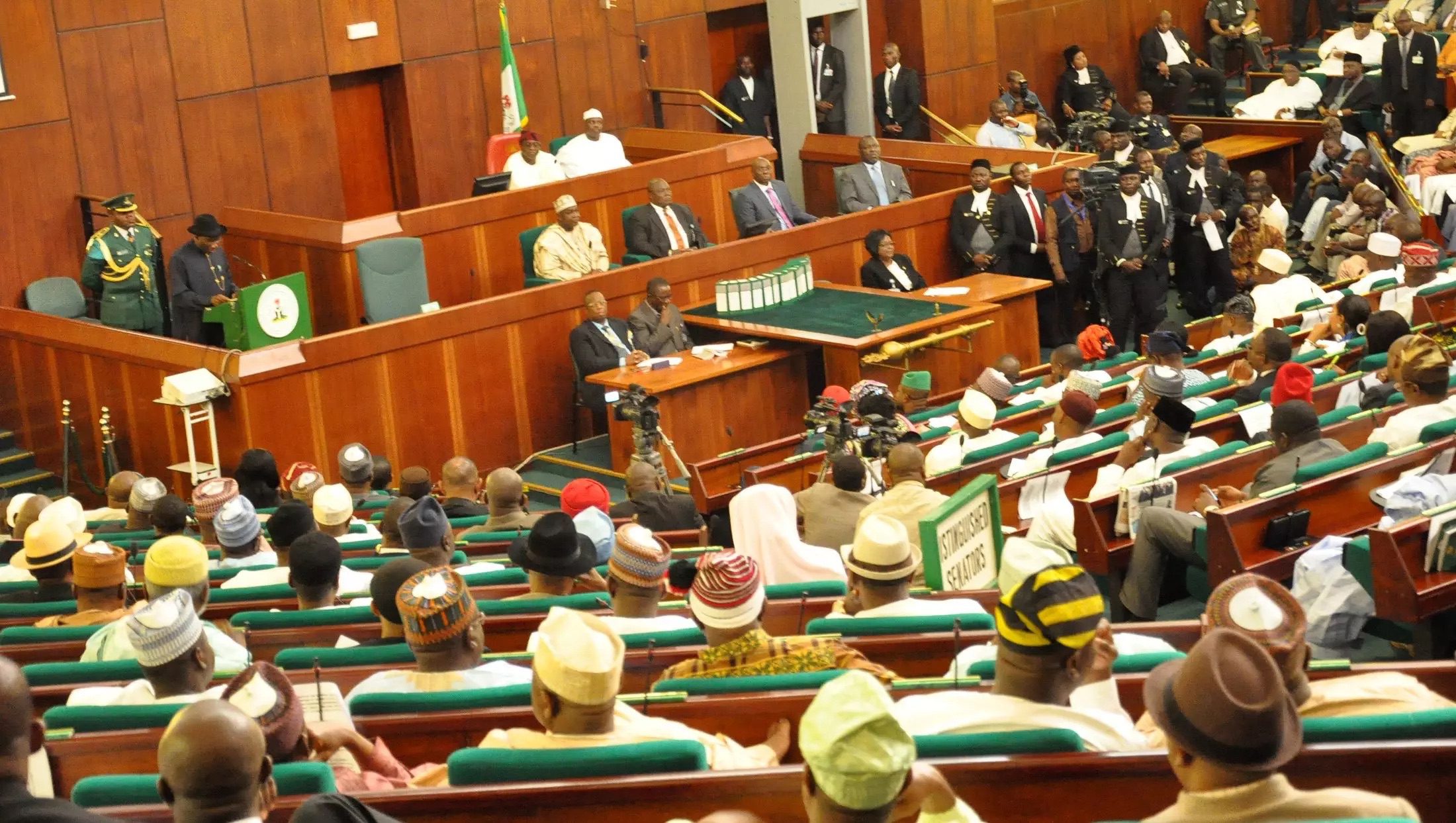
The Senate was sharply divided on Thursday over a bill seeking to establish the Chartered Institute of Revenue and Fiscal Management of Nigeria, a proposed professional body aimed at promoting excellence, transparency, and accountability in fiscal governance.
The bill, titled “A Bill for an Act to Establish the Chartered Institute of Revenue and Fiscal Management of Nigeria and for Related Matters, 2025 (SB. 614),” was sponsored by Senator Adamu Aliero, representing Kebbi Central.
Leading the debate, Aliero stated that the proposed institute would regulate fiscal management practices, monitor compliance with professional standards, and strengthen Nigeria’s economic management framework.
“The institute will monitor the conduct of its members and ensure adherence to technical and professional standards,” he said. “It will serve as an advisory body to the government on fiscal policies and revenue management strategies.”
Aliero added that the institute would also conduct studies to improve fiscal systems and, by professionalising the revenue sector, equip Nigeria to address challenges such as inefficiency, weak collection processes, and declining revenue.


He further explained that the institute would enhance fiscal discipline, develop a cadre of highly trained professionals, promote transparency and efficiency, attract investment, and drive economic growth through improved global competitiveness.
“The bill also seeks to provide Nigerians with opportunities to acquire advanced skills in revenue and fiscal management while improving coordination among relevant agencies and stakeholders,” Aliero noted.
According to the senator, Nigeria’s revenue challenges have deepened over the years, with the debt service-to-revenue ratio rising sharply from 65.8 percent in 2019 to 143 percent in 2021 due to low earnings and growing obligations.
Several senators expressed support for the bill. Senator Sani Musa (Niger East) described it as “a step toward improving fiscal discipline and boosting government revenue.” Senator Aminu Tambuwal (Sokoto South) noted that it would “build capacity among professionals and improve the management of public finances,” while Senator Tokunbo Abiru (Lagos East) emphasized the importance of considering legislative oversight in the bill’s implementation.
However, opposition came from several quarters. Senator Aminu Abbas (Adamawa Central) argued that the bill lacked clarity on how it differs from existing institutions. “We should have a clear distinction between this and existing agencies,” he said.
Senator Ibrahim Dankwambo (Gombe North), contended that the bill duplicates the functions of existing professional bodies, including the Chartered Institute of Taxation, ICAN, and ANAN. “Fiscal policy is taxation. We already have institutions performing these roles. This is duplication,” he said.
Senator Rufai Hanga (Kano Central) described the proposal as unnecessary, adding, “If we keep duplicating laws, it appears as though nothing is functioning properly.” Senator Aliyu Wadada (Nasarawa West) echoed concerns about transparency challenges within existing fiscal institutions.
In defense of the bill, Senator Orji Kalu (Abia North), urged colleagues to allow it to proceed, noting, “It would be unfair to kill this bill. The committee will conduct a thorough and professional review.” Senator Abdul Ningi (Bauchi Central) also supported its passage, emphasizing, “No bill is perfect. Even if it offers a single benefit, it is our duty to refine it at the committee stage.”
When Deputy Senate President Barau Jibrin, who presided over the session, put the question to a voice vote, the chamber was sharply divided. The ‘nays’ were notably loud, prompting him to call the vote three times before ruling that the ‘ayes’ had it.
The bill was subsequently referred to the Senate committees on Finance and Establishment and Public Service for further legislative scrutiny, with a directive to report back within four weeks.