


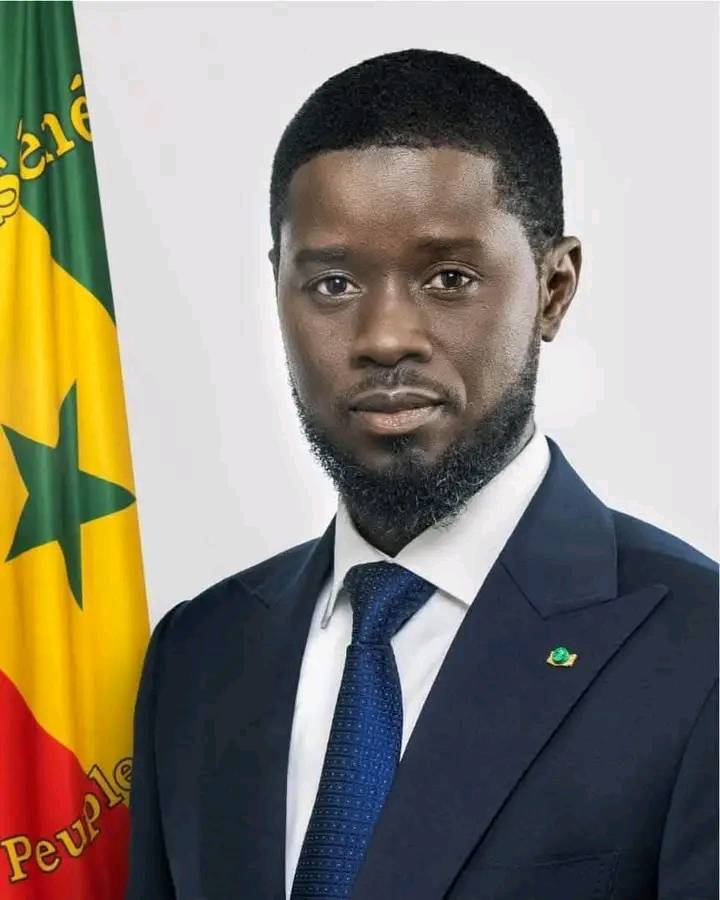
Senegal Introduces Reciprocal E-Visa Policy In Bold Move For Fairness.
Senegal’s President Bassirou Diomaye Faye has announced a transformative new e-visa policy, requiring travellers from countries such as the United States, United Kingdom, France, Canada, and China to pay visa fees before entering Senegal. This policy, rooted in the principle of reciprocity, marks a significant step towards asserting Senegal’s sovereignty and demanding equitable treatment in global travel protocols.
Unveiled during a major economic policy briefing, the initiative is part of the “Senegal 2050” strategic vision, championed by President Faye and Prime Minister Ousmane Sonko. The government estimates that the e-visa system will generate approximately 60 billion CFA francs (£76 million) annually, bolstering the nation’s economy while streamlining entry procedures and enhancing border control. The policy targets citizens of non-African countries that impose visa requirements on Senegalese nationals, ensuring a level playing field in international mobility.

President Faye’s administration has framed the move as a response to decades of unequal treatment, where African nations have often been exploited without reciprocal benefits. The policy reflects a broader push for a “new Africa” that demands respect and fairness in global relations. By requiring prepaid visa fees for non-African travellers, Senegal joins other African nations, such as Namibia, in challenging longstanding imbalances in diplomatic and economic interactions.
The announcement has sparked widespread support among Senegalese citizens and regional observers, who see it as a bold assertion of national pride. Social media platforms have been abuzz with praise for Faye’s leadership, with many hailing the policy as a long-overdue stand against Western dominance. The government has assured that implementation details will be clarified soon, ensuring a smooth rollout of the e-visa system.
This initiative aligns with Faye’s broader reform agenda, which includes reducing economic dependence on foreign powers and renegotiating resource contracts to prioritise national interests. As Senegal prepares to host the 2026 United Nations Conference on Water, the country’s assertive stance on the global stage signals a new era of confidence and self-determination. With this policy, Senegal is not only reshaping its immigration framework but also setting a precedent for African nations to demand mutual respect in international relations.
