


“Single Mothers Cannot Raise Proper Men” – Jim Iyke Sparks Debate.
Nollywood star Jim Iyke has stirred widespread controversy with his bold claim that “single mothers cannot raise proper men” without a male figure present. The actor’s remarks, made during a recent public appearance, have sparked intense discussions across Nigeria and beyond, with opinions sharply divided on the role of single mothers in raising boys.
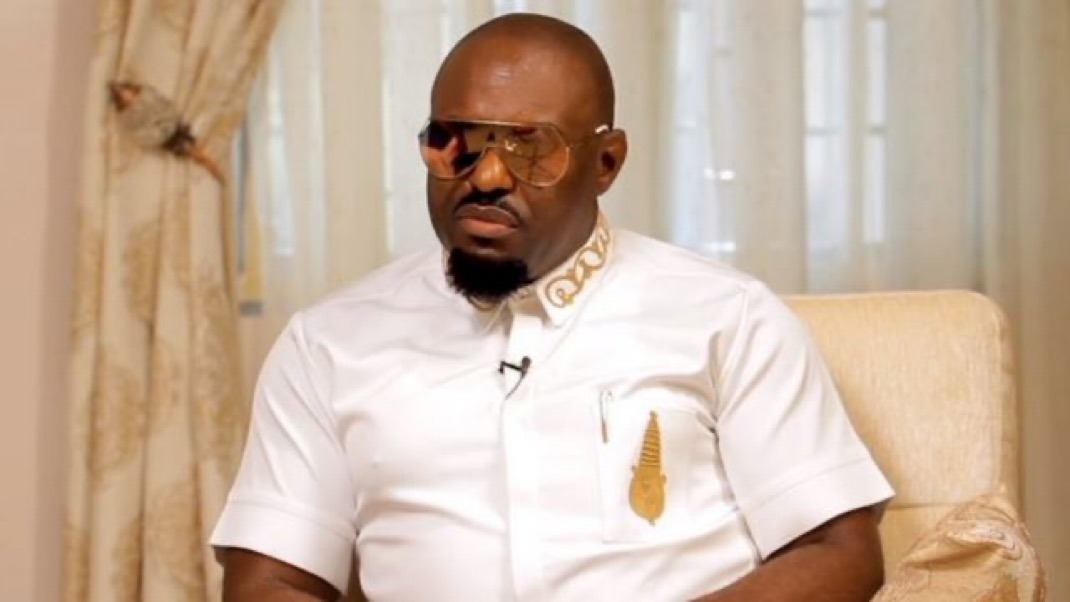
Iyke, a prominent figure in African cinema, argued that boys need a male influence to develop into “proper men.” He stated, “I know women will insult me for saying the truth, but I’ll still say it because it’s the truth. A growing boy child needs a male presence.” The comment, widely circulated on platforms like X, has drawn both support and fierce criticism, reigniting debates about parenting and gender roles in modern society.

Some agree with Iyke, citing traditional African values where male figures, such as fathers or community elders, play a key role in shaping boys’ identities. Supporters argue that male role models provide unique guidance in navigating societal expectations of masculinity. However, critics have slammed the statement as reductive and unfair, accusing Iyke of overlooking the strength and success of single mothers. Social media users have shared stories of accomplished men raised by single mothers, challenging the actor’s stance.
Dr. Amaka Okafor, a gender studies scholar, countered Iyke’s claim, stating, “Single mothers often raise exceptional men through resilience, community support, and resourcefulness. Parenting success hinges on many factors, not just a father’s presence.” She cautioned against generalisations that dismiss the diverse realities of family structures.
In Nigeria, where over 20% of households are led by single mothers, according to the Nigerian Bureau of Statistics, Iyke’s remarks have highlighted the societal pressures these women face. Many navigate economic challenges and stigma while raising children, often without adequate support systems.
On X, reactions reflect the divide. One user posted, “Jim Iyke’s got a point—boys need men to guide them. Single mums try, but it’s different.” Another retorted, “My single mum raised me to be a doctor. Jim’s talking nonsense.” The polarised responses underscore the sensitivity of the topic and its resonance with broader societal issues.
Iyke has not yet addressed the backlash, but his comments have prompted calls for a deeper conversation about parenting, gender expectations, and the support needed for single-parent families. As the debate unfolds, it highlights the complexity of raising children in diverse family setups and the need for inclusive perspectives on what makes a “proper man.”
