


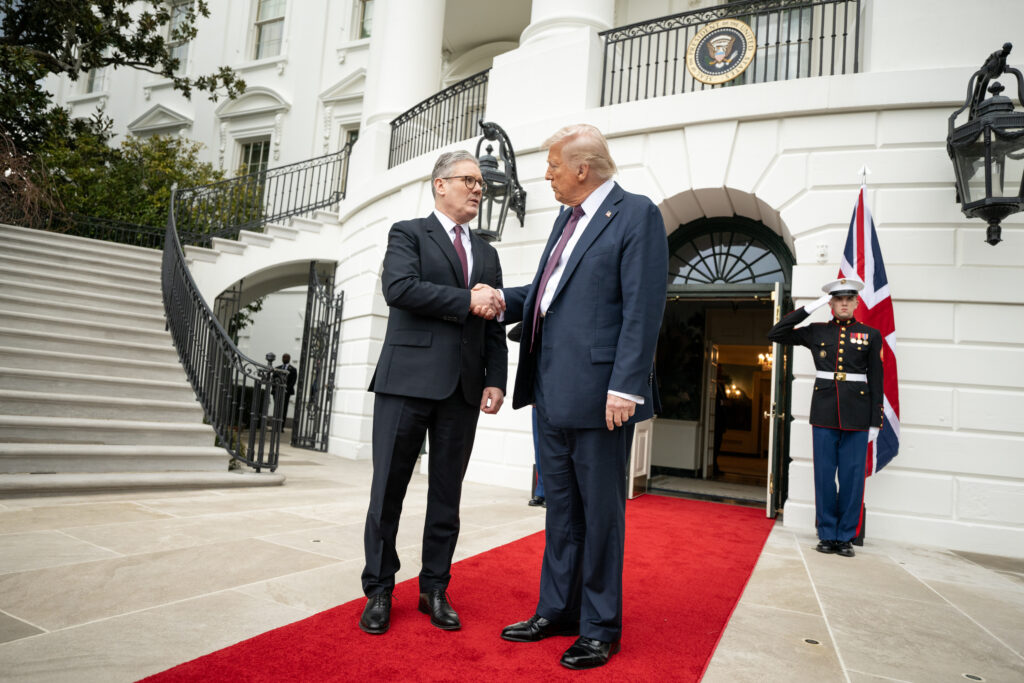
The United Kingdom has made a significant policy reversal (“U-turn”), by granting the United States access to its military bases for strikes on Iranian targets. This decision marks a major escalation in Western involvement in the ongoing Iran conflict and reflects shifting geopolitical, military, and economic pressures.
Initially cautious and reluctant, the UK government ultimately aligned more closely with U.S. military strategy amid intensifying hostilities in the Middle East.
Background to the Conflict
The development must be understood within the broader context of the 2026 Iran war, which began on February 28, 2026, following joint U.S.-Israeli strikes on Iranian military infrastructure.
Iran responded with retaliatory attacks across the region, targeting:
-
Gulf states’ energy infrastructure

-
Shipping routes in the Strait of Hormuz
-
Western-linked military installations

The Strait of Hormuz is particularly critical, handling roughly 20% of global oil supply, making disruptions there a major global economic concern.
The UK’s Initial Position
At the outset of the conflict, UK Prime Minister, Keir Starmer adopted a cautious stance:
-
Refused U.S. requests to use British bases for offensive operations
-
Emphasized non-involvement in direct attacks
-
Limited cooperation to defensive support only
This hesitation stemmed from:
-
Legal concerns about international law
-
Fear of escalating the conflict
-
Domestic political pressure to avoid another Iraq-style entanglement
Internal divisions within the UK government were also reported, with some ministers opposing deeper involvement.
The U-Turn Decision
Despite initial resistance, the UK reversed its position and allowed the U.S. to use key military bases, including:
-
RAF Fairford (UK)
-
Diego Garcia (joint UK-U.S. base)
This decision authorized U.S. forces to conduct strikes targeting:
-
Iranian missile launch sites
-
Military infrastructure threatening shipping routes
The UK framed the move as part of “collective self-defense” and necessary to protect international navigation and regional allies.
Reasons Behind the Policy Shift
Several factors contributed to the UK’s reversal:
a. Escalation of Iranian Actions
Iran intensified attacks on:
-
Gulf allies
-
Energy infrastructure
-
International shipping
These actions increased pressure on Western powers to respond decisively.
b. Threats to Global Energy Security
The near-blockade of the Strait of Hormuz caused:
-
Sharp rises in oil prices (approaching $107 per barrel)
-
Fears of a global energy crisis
c. Direct Security Concerns
Iranian-linked attacks on regional bases, including those connected to the UK, heightened fears for:
-
British military personnel
-
British citizens in the Middle East
d. Pressure from the United States
U.S. President, Donald Trump, publicly criticized the UK’s initial refusal, calling it slow and inadequate.
This diplomatic pressure reinforced expectations of alliance solidarity.
Nature of UK Involvement
Despite the U-turn, the UK government maintains that:
-
It is not directly conducting offensive strikes
-
Its role is limited to enabling U.S. operations
-
Actions are defensive and legally justified
This distinction is politically important, allowing the UK to support allies while attempting to limit direct accountability.
International Reactions
a. Iran’s Response
Iran strongly condemned the UK decision, warning that:
-
Britain would be considered a “participant in aggression”
-
It reserves the right to retaliate
This raises the risk of UK assets becoming direct targets.
b. Allied and Global Reactions
-
Some NATO allies showed reluctance to join military operations
-
Others offered limited or indirect support
-
Calls for de-escalation increased globally
Domestic Reaction in the UK
The decision has proven controversial domestically:
-
Approximately 59% of the British public opposes involvement
-
Critics argue the move risks dragging the UK into a wider war
-
Economic concerns are rising due to:
-
Higher energy costs
-
Increased borrowing and inflation risks
-
Strategic and Economic Implications
a. Military Implications
-
Deepens UK involvement in the conflict
-
Strengthens U.S. operational capabilities
-
Raises the likelihood of retaliatory attacks on UK-linked targets
b. Economic Impact
-
Rising oil prices threaten global economic stability
-
UK households may face higher energy bills
-
Governments are preparing emergency economic measures
c. Geopolitical Consequences
-
Reinforces the U.S.-UK alliance
-
Highlights divisions within NATO
-
Increases the risk of a broader regional war
Conclusion
The UK’s decision to grant the U.S. access to its military bases represents a pivotal moment in the 2026 Iran-Israel-US conflict. What began as a cautious, legally constrained policy shifted rapidly under the weight of military escalation, economic threats, and alliance pressures.
While framed as a defensive and limited measure, the move effectively positions the UK closer to the frontline of the conflict—carrying significant risks of retaliation, domestic backlash, and deeper entanglement in a volatile geopolitical crisis.
The long-term consequences will depend on whether the conflict escalates further or moves toward diplomatic resolution, but the UK’s U-turn has already reshaped its role in one of the most critical global conflicts of the decade.